
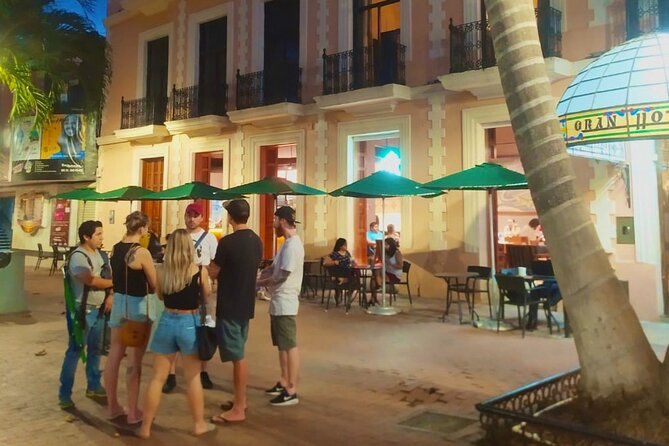
Reviewed · WALKING TOURS
Mike&Duck Walking Tour Merida
Mérida’s past comes into sharper focus on this private walk, especially when the story includes Mayan voices alongside Spanish colonial history. Guides such as Eduardo, Shirley, and Mike explain buildings, parks, language, and local customs in plain English, with time for questions rather than a rehearsed speech.
I like the central route and the useful extras: practical food and drink tips can shape the rest of your stay, while the photos, water, candies, and PDF guides give you something to keep after the walk. The main consideration is time. At about 60 to 90 minutes, this is a smart introduction, not a full historical tour or an extended visit inside every building.
Key points at a glance
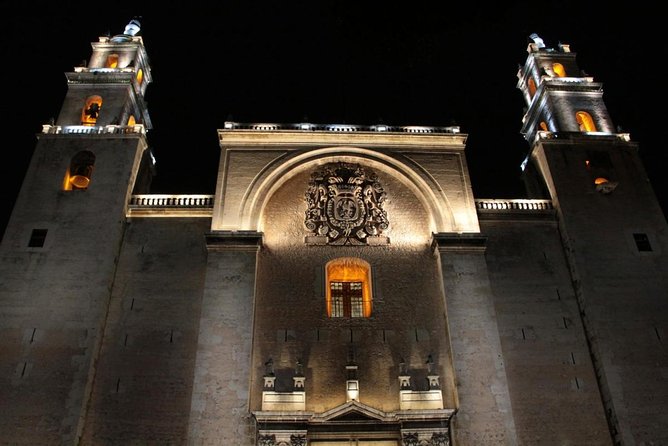
- Mayan history gets equal attention: Guides connect Mérida’s colonial buildings with Yucatecan and Mayan experiences.
- A private tour keeps the pace flexible: Your group can ask questions and focus on subjects that interest you.
- The route links major Centro landmarks: Santa Lucía, Casa Montejo, the cathedral, Parque Hidalgo, and Teatro Peón Contreras all fit into a compact introduction.
- Small extras add real value: You receive water or electrolytes, Mexican candies, digital photos, and three PDF information documents.
- The tour is useful at the start of a stay: You get restaurant, drink, and sightseeing suggestions while learning the layout of central Mérida.
- The price reflects personal attention: At $30 per person, the value is strongest for solo visitors, couples, and small groups who want a private orientation.
Why this short Mérida walk works so well
Mérida’s historic center can look straightforward on a map. In practice, its buildings carry several layers of meaning: Spanish rule, Mayan culture, religious power, trade, local pride, and the city’s modern identity. A short walk can help you notice those layers before you spend the rest of your visit exploring on your own.
That is the real purpose of Mike&Duck Walking Tour Mérida. You are not simply ticking off churches and parks. You are getting a guide to the city’s central story, with explanations that connect architecture to people and politics.
The tour is offered in English and is private, so only your group participates. That matters here. A small group makes it easier to ask about a Mayan phrase, a church detail, a local restaurant, or the meaning behind one of Mérida’s famous white chairs.
The tour lasts roughly one hour to one hour and 30 minutes. That length suits you if you want a first look without giving up half a day. It also makes this a good choice for a solo visit, a quick city introduction, or a family that needs a manageable walking activity.
A few more things to do in Mérida worth a look
- Merida Walking Food Tour. Authentic & Local Cuisine
★ 5.0 · 451 reviews - Merida Street Food Walking Tour
★ 5.0 · 417 reviews - Mérida: 3-Hour Walking Food Tour
★ 4.9 · 287 reviews
Meeting Santa Lucía and getting oriented
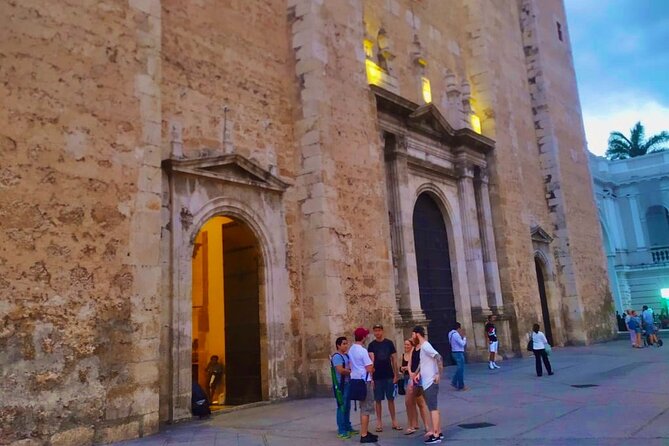
The meeting point is Parque de Santa Lucía, at Calle 60 476A in Centro. This is a useful starting area because the park is central and easy to connect with by public transportation. It also gives the walk an immediate sense of Mérida’s public life, rather than beginning at a remote attraction.
The stated end point is Museo Casa Montejo on Calle 63. The stop information presents Casa Montejo, the cathedral, Parque Hidalgo, Teatro Peón Contreras, and Santa Lucía Church as the principal points of interest, while the meeting details specify Santa Lucía as the start and Casa Montejo as the finish. Confirm the exact walking order with your guide at the beginning, since the practical route may vary.
You should wear comfortable shoes and arrive ready to walk outdoors. The tour includes a bottle of water or electrolytes, which is a thoughtful touch in a warm city, but it is still wise to bring any additional water you need.
Casa Montejo and the city’s colonial front door
Museo Casa Montejo receives about 15 minutes of attention. The visit is described as a quick look inside the Montejo house, so you should not expect an extended museum study or a long independent visit.
What makes the stop useful is its role as an entry point into Mérida’s colonial past. The house helps put the city’s Spanish-founded center into physical form. Its presence also creates a chance to discuss who held power, how the city was shaped, and how colonial stories can be told without ignoring the people who lived through them.
This is where the guide’s point of view matters. The strongest praise for Mike&Duck centers on explanations that move beyond a strictly colonial account and include Mayan perspectives. Eduardo has also been praised for explaining both Spanish and Mayan history, including the meaning of Mayan writing and language.
Because the stop is short, listen for the larger ideas rather than trying to memorize every architectural detail. If Casa Montejo is open for the planned visit, you get a brief interior look. The supplied information lists no separate admission charge for the tour.
Mérida Cathedral and the power of the center
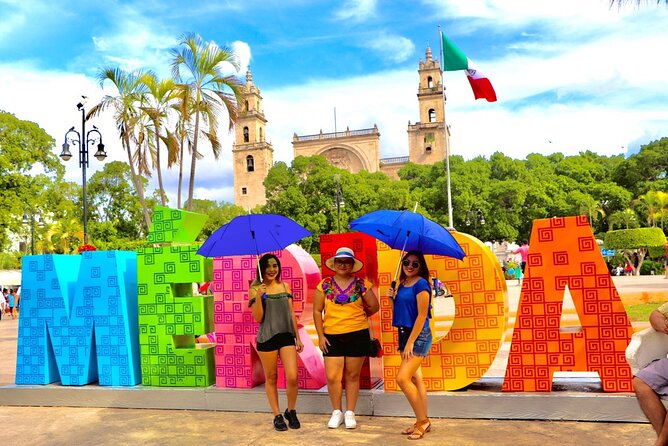
The Cathedral of Mérida receives about 10 minutes. That may sound brief, but the stop focuses on specific features rather than attempting a full art-history lecture.
The tour calls attention to the cathedral’s old wind organ and to a large representation of Jesus Christ described as the biggest in America. These details give you concrete things to look for inside the building, instead of simply hearing that the cathedral is important.
A short cathedral stop also helps explain how religion shaped the city center. You can ask questions about the building, its role in Mérida, and the way Spanish institutions were placed over an older Mayan world. The private format is valuable here because a question from your own group does not need to compete with a large crowd.
The time limit is the main constraint. If you want to study the interior closely or sit quietly, you will likely need to return independently. Think of this stop as an introduction and a list of details to revisit.
Same base, a different sort of day:
- Chichen Itza, Private Cenote/Food Experience & the magic Izamal
★ 5.0 · 385 reviews - Chichen Itza, Cenote Swim & Izamal Magic Town with Buffet Lunch
★ 4.5 · 317 reviews - Taste of the Yucatan: Merida Cooking Class and Market Visit
★ 5.0 · 291 reviews - From Merida: Chichen Itza Tour, Izamal, Cenote Ik Kil and Food
★ 5.0 · 246 reviews
Parque Hidalgo and the cost behind the rope trade
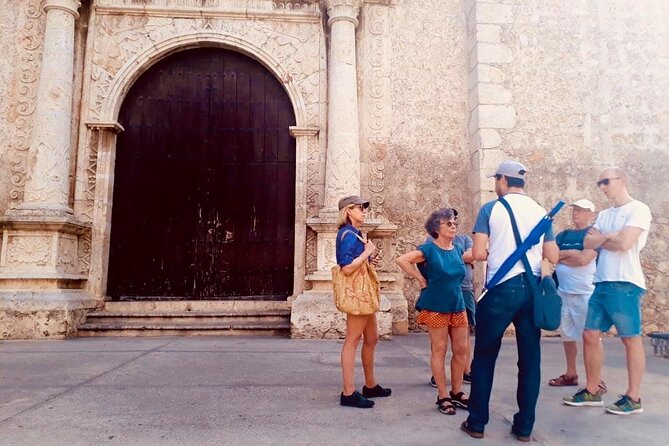
Parque Hidalgo receives around 15 minutes, along with attention to the nearby hotel. This stop appears to broaden the tour beyond monuments and into the economic forces that shaped Yucatán.
One important subject is sisal rope. The discussion includes the difficult labor system and modern slavery connected with the industry. That makes the stop more than a pleasant park break. It gives you a way to understand how regional wealth was produced and who paid the human cost.
I value this kind of context because Mérida can be easy to admire only through its façades, plazas, and restored buildings. A good city walk should also explain the less comfortable parts of local history. Here, the subject of sisal helps connect the city’s public spaces with work, trade, exploitation, and social power.
The park and hotel also give the group a change of pace after the cathedral. You can listen, ask questions, and take in the setting without needing to rush through a large attraction.
Teatro Peón Contreras and the Third Order church
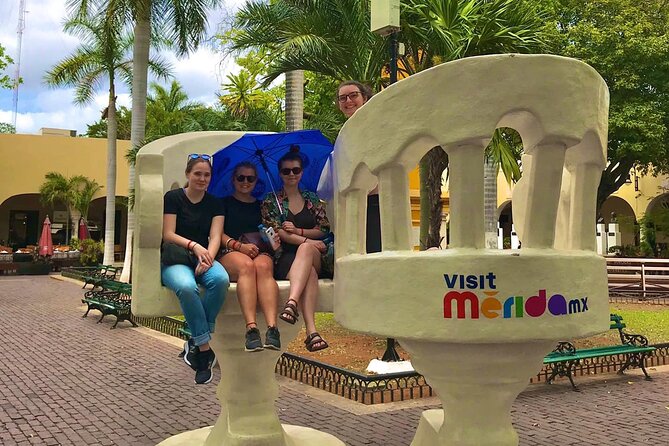
The longest listed stop is about 20 minutes at Teatro Peón Contreras. The tour also covers the Church of the Third Order, described as the second important church in Mérida.
This pairing is useful because it places religious and cultural institutions near each other. You are not just looking at isolated buildings. You are seeing how different parts of civic life occupied the same central district.
The theater offers a chance to discuss Mérida’s performing arts and public culture, while the church adds another layer to the city’s religious architecture. The supplied information does not promise a full theater performance or a long interior tour, so treat this as an exterior and historical overview unless your guide tells you otherwise.
The 20-minute allocation gives the guide room to tell stories, explain the buildings, and answer questions. It is also a good place to ask for suggestions about later stops in the city. Since the tour includes local recommendations, use this time to ask about food, drinks, neighborhoods, or nearby sights that fit your interests.
Santa Lucía Church and Mérida’s famous white chairs
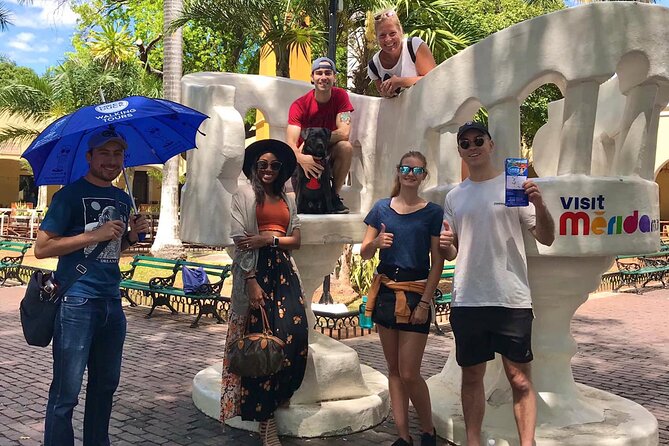
Santa Lucía Church receives about 15 minutes. The stop also introduces the white chairs, often called confident chairs, that have become a familiar part of Mérida’s public spaces.
These chairs are a small but memorable detail. Their design lets two people sit facing one another, making conversation easier than sitting side by side. They reflect the social character of Mérida’s plazas and parks, where public space is not only for passing through.
The church and park area also make sense as a meeting point because they combine history with everyday city life. You get a sense of how the center functions beyond its formal monuments.
The tour information presents Santa Lucía as the final stop, while the meeting details identify it as the starting point. Since both details are provided, confirm the day’s route with Eduardo or your assigned guide. Either way, the place is central and easy to recognize.
The Mayan point of view is the heart of the experience
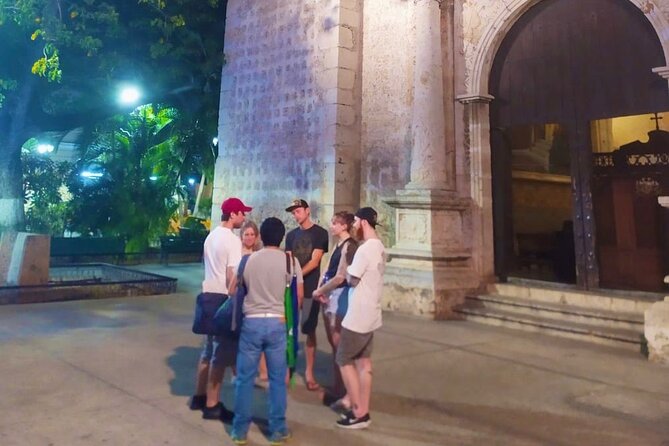
The most praised feature of this tour is not one building. It is the way the guides frame Mérida’s story.
Eduardo is described as a local guide with Mayan heritage who can speak the Mayan language and translate Mayan signs. Shirley is praised for warmth, humor, and clear explanations. Mike and Shirley are also described as working well together, using questions and light humor to make difficult subjects easier to follow.
Guide assignments can vary. Names connected with the experience include Eduardo, Shirley, Mike, and Paolo, so you should not assume one particular person unless your booking confirms it. The consistent idea is an English-language walk led by people who can connect local history with personal knowledge of Mérida.
That distinction matters. You will hear about Spanish colonial power, but the tour also addresses the hardships faced by Yucatecans and the long effects of colonialism. If you want a polished list of dates with little discussion of inequality, this may not be your preferred style. If you want a more honest account of how the city developed, this approach adds value.
The guides also appear comfortable with different audiences. A solo visitor can ask detailed questions without feeling out of place. Families can bring children, and one guide has been praised for giving a seven-year-old a quiz at the end. That suggests an adaptable style rather than a fixed speech.
What the $30 price includes
The price is $30 per person. For a private English-language experience lasting up to 90 minutes, that is a reasonable price if you value personal attention and a local introduction.
You are also given:
- A bottle of water or electrolytes
- Typical Mexican candies
- Digital photographs of the historic center
- Three PDF documents with information about Mérida and surrounding places
The extras are modest, but they are useful. The water helps during the walk. The candies add a taste of local culture. The digital photos give you a record of the route without requiring you to stop constantly for pictures, and the PDFs can help you plan the rest of your time.
Tips about where to eat, drink, and explore may be worth more than the small gifts. A short walk can save you from spending your first day guessing where to go. Ask specific questions based on your budget and interests so the advice becomes practical.
Tips for the guide are not included. Carry some cash in case you want to leave a gratuity, though the tour price itself covers the listed experience.
Who should book this private walk?
I would choose this tour at the start of a Mérida stay. The route introduces the center, gives you landmarks to revisit, and provides local suggestions while you still have time to use them.
It also suits:
- Solo visitors who want company and a safe, personal orientation
- Couples looking for a relaxed introduction to Centro
- Families who benefit from questions and an adjustable pace
- First-time visitors with only a short window in Mérida
- People interested in Mayan history and local perspectives
- Anyone who prefers a private walk over a large group
You may want something longer if you need extended time inside museums, detailed architectural study, or a full-day history program. The itinerary moves quickly, and several stops receive only 10 to 15 minutes.
The tour is listed as suitable for most participants, and service animals are allowed. It requires good weather. If poor weather cancels the activity, you can receive another date or a full refund. Free cancellation is available up to 24 hours before the start time, while cancellations or changes made later are not accepted.
Final decision: book it for context, not exhaustive sightseeing
Book Mike&Duck Walking Tour Mérida if you want a personal introduction to Centro with Mayan and colonial history placed side by side. The private format, central route, local suggestions, photos, and printed information make the $30 price sensible for a first day.
I would not book it expecting a long museum visit or a complete tour of every building. This is a compact orientation with strong human stories. For many people, that is exactly what makes it useful: after 60 to 90 minutes, you know what you are looking at, what questions to ask, and where to go next.
FAQ
How long does the Mike&Duck Walking Tour Mérida last?
The tour lasts approximately one hour to one hour and 30 minutes.
How much does the tour cost?
The listed price is $30 per person.
Is the tour private?
Yes. Only your group participates in the private tour or activity.
What language is the tour offered in?
The tour is offered in English.
Where does the tour start?
The meeting point is Parque de Santa Lucía, C. 60 476A, Centro, Mérida.
Where does the tour end?
The stated end point is Museo Casa Montejo, C. 63 506, Centro, Mérida.
What places are covered?
The tour covers Museo Casa Montejo, the Cathedral of Mérida, Parque Hidalgo, Teatro Peón Contreras, the Church of the Third Order, and Santa Lucía Church.
What is included in the price?
The price includes water or electrolytes, typical Mexican candies, digital photographs of the historic center, and three PDF documents with information about Mérida and nearby places.
Can I cancel for a full refund?
Yes, if you cancel at least 24 hours before the experience starts. Cancellations or changes made less than 24 hours before the start time are not accepted, and bad weather may lead to a rescheduled date or full refund.
Just added in Mérida
- Merida Food Tour with local Yucatecan Chef★ 5.0 · 30 reviews
- Tour Valladolid, Cenote Suytun and Cenote Oxman from Mérida★ 5.0 · 41 reviews
- Uxmal and Kabah Ruins Tour with Chocolate History★ 4.5 · 54 reviews
- 4 Cenotes Tour in Homún all inclusive from Merida★ 5.0 · 96 reviews
- Shared Transportation Airport Merida to Hotels in Merida★ 4.5 · 45 reviews
- Taste of the Yucatan: Merida Cooking Class and Market Visit★ 5.0 · 291 reviews
- Private Transportation to/from Merida International Airport★ 4.5 · 39 reviews
- Private Yucatecan Cooking Class in Merida at Sofia’s Home Kitchen★ 5.0 · 116 reviews
Walking Tours, compared.
Frida Kahlo VIP [Museum Tickets Included] Walk, Markets & Churros
Read our review →
Puerto Vallarta’s Best Canopy Zipline + Jorullo Bridge walk!
Read our review →
Historical and Cultural Walking Tour of San Miguel de Allende
Read our review →
Tacos and Tequila Walking Tour with Taste of Miguel
Read our review →
Historical and Cultural Walking Tour of San José del Cabo
Read our review →Browse the lists this tour appears in