
Reviewed · WALKING TOURS
Historic Downtown Walking Tour
Mexico City’s historic center makes sense fastest on foot, where Aztec ruins, a grand cathedral, elegant civic buildings, and modern city life occupy the same few blocks. This tour gives you that essential framework in about three hours, with guides such as Emiliano, Mar, Estefania, and Nadia bringing history, food, and local life into the walk.
I like the route for two clear reasons: it is an excellent first-day orientation, and it links major sights without making you plan the route yourself. I also like the practical advice built into many departures, especially food suggestions and tips for places to visit afterward. The main concern is pace. Some guides move quickly, and a large group or noisy plaza can make it hard to hear.
Key points to know before booking
- The route covers six major sights: You’ll visit the Zócalo, Templo Mayor, Metropolitan Cathedral, Plaza Manuel Tolsá, Palacio Postal, and Palacio de Bellas Artes.
- It is strongest as an introductory tour: The walk connects Aztec, Spanish colonial, Catholic, and modern Mexican history in one compact route.
- Guide quality matters: Emiliano, Mar, Estefania, Nadia, Mariel, Sandra, and Daniela are praised in the available feedback for clear explanations, useful recommendations, and good pacing.
- Expect a brisk three hours: You walk through crowded central streets, and one participant found the guide difficult to follow because she moved too far ahead.
- You will not tour every museum: The Templo Mayor portion focuses on the outdoor ruins, so plan a separate visit if you want the full museum experience.
- The group size needs checking: The tour is promoted as capped at 15 people, while the additional information allows up to 25 participants.
Why this is a smart first look at Mexico City
I like the way this tour builds a mental map before you start tackling Mexico City on your own. The historic center can feel like a jumble at first: a huge main square, excavated stone temples, grand churches, old government buildings, museums, food stalls, and streets filled with everyday business.
A good guide connects those pieces. Instead of seeing the Metropolitan Cathedral as just a large church, you learn how Catholic power took root after the Spanish conquest. Instead of seeing Templo Mayor as a few exposed walls, you begin to understand that the modern center was built over the Aztec capital of Tenochtitlan.
That broad story is the tour’s main value. At $26.53 per person, you are paying for three hours of structured orientation and a certified local guide. The price is reasonable if you want context and do not want to spend your first morning sorting out the city’s central sights alone.
I would not book this as a substitute for a full museum day. The route offers an overview, not a slow archaeological visit or an art-focused tour. Think of it as a foundation that helps later visits make more sense.
A few more things to do in Mexico City worth a look
- Historic Center Food Tour in Mexico City
★ 5.0 · 1,263 reviews - Mexico City: Historic Downtown Walking Tour
★ 4.8 · 1,039 reviews - Walking Tour of the Historic Center of Mexico City
★ 5.0 · 870 reviews
Starting at the Zócalo, the heart of the city
The meeting point is at C. de Monte de Piedad 11, beside the Zócalo in Centro Histórico. This is a practical starting place because the main square is the symbolic and geographic center of the route.
The tour spends about 15 minutes here. That may sound short, but the Zócalo needs a guide to explain its scale and meaning. This is not simply an open plaza for taking photographs. It is the center of Mexico’s public life and the place where the city’s layered past is easiest to see.
Your guide introduces the square as the heart of Mexico. From here, you can begin to understand the relationship between the cathedral, the former Aztec capital, and the administrative buildings surrounding the plaza.
This stop also sets the walking rhythm. You are not stopping for long museum-style talks at every point. The guide gives a focused explanation, then moves the group through the center.
Templo Mayor and the city beneath the city
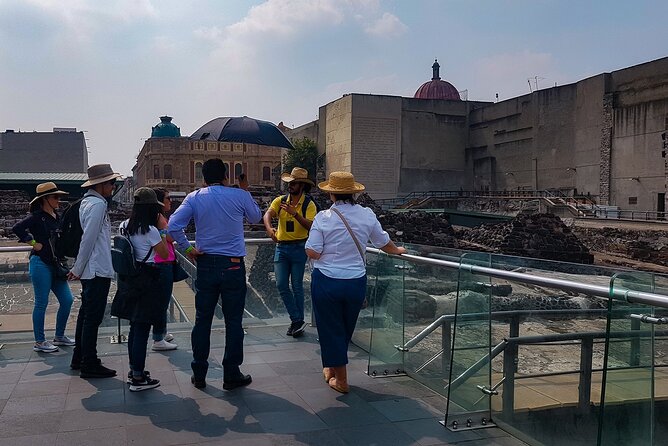
At Plaza Manuel Gamio, the tour spends about 30 minutes discussing the Templo Mayor ruins. This is one of the most important stops because it explains why Mexico City feels so layered.
The exposed remains belong to the ancient Aztec city, while the streets and buildings around you belong to later periods. That physical overlap is the key idea. The modern center was not built on empty ground. It grew over an earlier capital, and the ruins make that fact visible.
The tour’s Templo Mayor visit is limited. You see some of the outdoor ruins, but the full museum is not part of this walking route. If archaeology interests you, I would mark the museum for another visit rather than expect this stop to cover it.
Thirty minutes is enough for a clear introduction, especially if you are new to Aztec history. It is not enough for a detailed examination of the site. That is a fair trade for a tour that also includes the cathedral, Palacio Postal, and Bellas Artes.
Inside the Metropolitan Cathedral
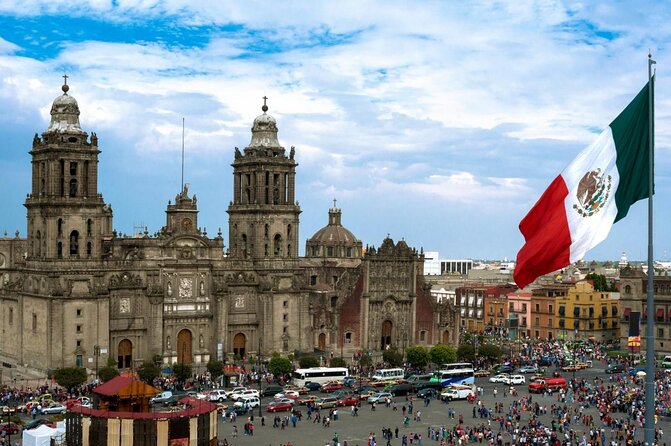
The next major stop is Mexico City’s Metropolitan Cathedral, where the group spends about 30 minutes. The tour goes inside, which gives this route more substance than a walk that only points out buildings from the street.
The cathedral is presented as the center of Catholic faith in Mexico. Your guide places it within the larger change from Aztec religion to Spanish colonial Catholicism, then links that history to the city you see today.
This is one of the moments when a guide can save you time. A large church can be hard to read without help. You may notice the scale, decoration, and religious art, but a clear explanation gives those details a place in the story.
The interior can also be a calmer pause after the open plazas and crowded streets. Still, remember that this is a group tour. The guide’s voice, the size of the group, and the noise inside or around the building will affect how much detail you catch.
Same base, a different sort of day:
- Teotihuacan, Guadalupe Shrine & Tlatelolco Day Tour with Lunch
★ 5.0 · 11,603 reviews - Xochimilco, Coyoacan and Frida Kahlo with Optional Lunch
★ 4.5 · 7,320 reviews - Balloon flight + Breakfast in cave + Pyramids + Pick up CDMX.
★ 5.0 · 6,335 reviews - Teotihuacan pyramids morning or afternoon without tourist traps
★ 5.0 · 6,186 reviews
Plaza Manuel Tolsá and the Caballito
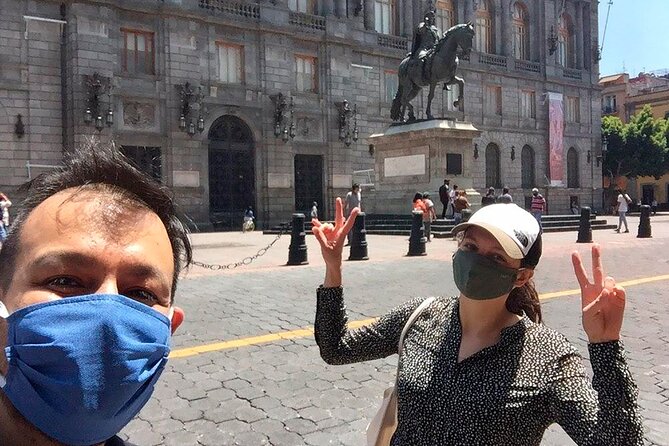
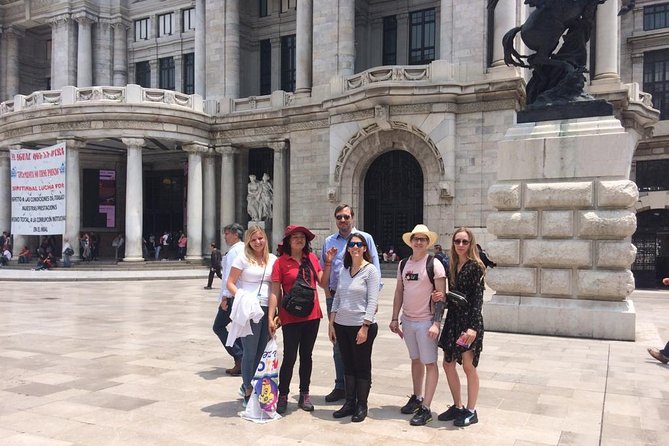
The walk continues to Plaza Manuel Tolsá for about 10 minutes. This is a short stop, but it introduces one of the city’s most recognizable statues and offers a change in atmosphere from the Zócalo.
The square is named for Manuel Tolsá, and the statue gives the guide a natural opening to discuss Mexico City’s artistic and civic traditions. Since the stop is brief, expect a compact explanation and time for photographs rather than a long talk.
This area also helps connect the historic core’s major institutions. You are moving from religious and archaeological landmarks toward the grand public buildings and museums that define the western part of the center.
Palacio Postal, an ornate surprise
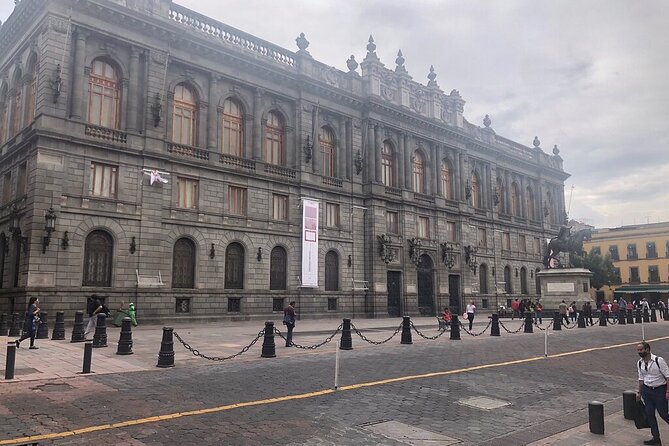
At Palacio Postal, the group goes inside for about 15 minutes. The tour describes it as an unusually glamorous post office, and that is a useful reminder that Mexico City’s beauty is not limited to famous museums and churches.
The building’s interior gives the walk a quick architectural change. After ruins and religious spaces, you get a look at a civic building designed to impress. The short visit works well because it adds variety without turning the tour into an architecture lecture.
I especially like this kind of stop for first-time visitors. You might otherwise walk past a functioning post office without realizing it deserves attention. The guide helps you notice the city’s everyday buildings as part of its cultural story.
Palacio de Bellas Artes and the end of the walk
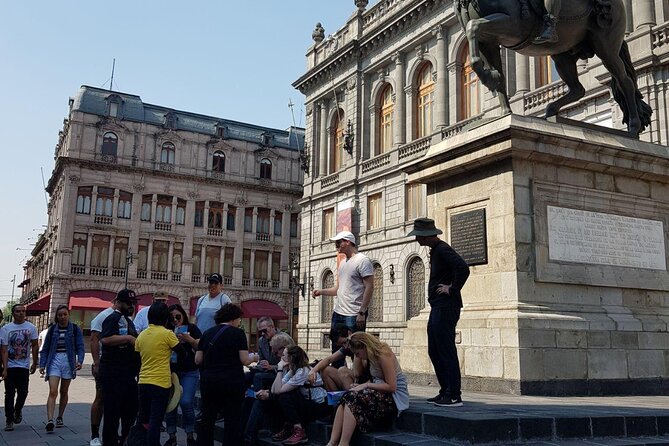
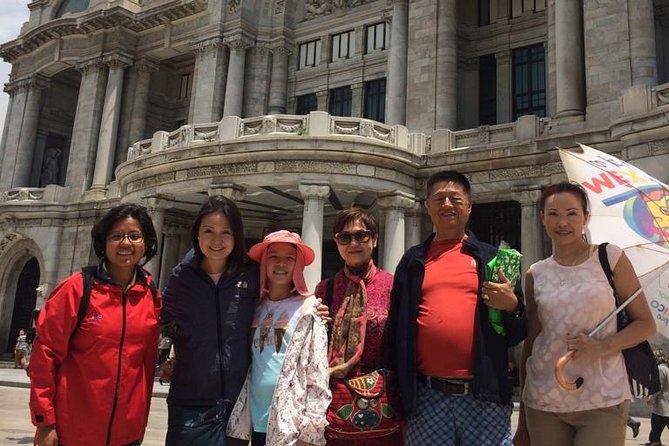
The final major stop is Palacio de Bellas Artes, described as an art nouveau landmark and a symbol of twentieth-century Mexico City. The tour spends about 15 minutes here before ending near the El Caballito statue, in front of the National Museum of Art at C. de Tacuba 8.
Bellas Artes is a fitting finish because it shifts the story toward modern Mexican culture and the city’s twentieth-century identity. You get the outside view and an explanation of why the building matters, but this is not a full museum visit.
The end point is useful for planning the rest of your day. You finish beside the National Museum of Art, and several guides also provide suggestions for food and further sightseeing. Emiliano, Mar, Nadia, and Mariel are specifically praised for offering useful recommendations beyond the route.
You should allow time to orient yourself before separating from the group. The walk ends in a busy part of the center, and the final location is different from the meeting point.
The guide can make or break the experience
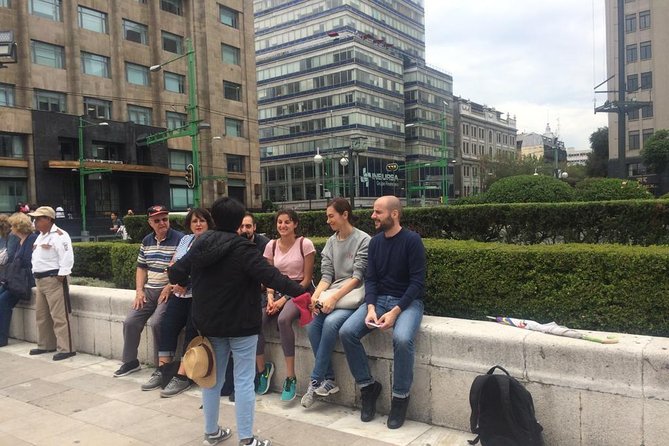
The strongest part of this tour is the guide’s ability to turn a short route into a connected story. Emiliano is praised for clear English, strong historical explanations, and an easy pace. Mar is praised for history, culture, food advice, and flexibility with questions. Estefania is singled out for making the transition from Aztec times to present-day Mexico understandable.
Nadia is described as friendly, accessible, and useful for first-day orientation. Mariel receives praise for an engaging manner and good suggestions for food and sights. Daniela is noted for clear explanations about the landmarks and Mexican culture.
That is a strong list, but guide performance is not identical on every departure. One account describes a guide speaking too quickly, while another says the guide moved ahead in crowded streets and was occasionally hard to see. Another person found the group large enough that hearing became difficult.
I would choose a place near the guide, especially when the group is walking through a noisy plaza. If you lose sight of the guide, say so quickly. The route passes through busy public spaces, and staying together matters more here than on a quiet neighborhood walk.
The supplied information gives two different group-size figures: the tour highlights a maximum of 15 for an intimate experience, while the additional details allow up to 25 participants. I would prepare for a small to medium group rather than assume the smaller number is guaranteed.
Pace, comfort, and practical planning
This is a walking tour of about three hours, and a moderate level of physical fitness is recommended. The walk is not described as strenuous, but you should be ready to spend most of the time on your feet and to keep moving between stops.
Wear comfortable shoes and bring water. That advice is simple, but it matters when the route combines plazas, streets, and indoor landmarks. The pace has been described as comfortable by some people and fast by others, so your experience may depend on the guide and the group.
The meeting point is near public transportation, and getting there is not included. You need to arrange your own transport to C. de Monte de Piedad 11. Food is also not included, though you may be able to buy something during or after the walk.
Tips are optional but appreciated. The activity includes a professional certified local guide, but gratuity is separate.
The tour is offered in English, while the highlights also describe English or Spanish departures. If language choice matters to you, confirm the departure language when booking rather than assuming every time slot is the same.
Free cancellation is available up to 24 hours before the start time. Changes or cancellations within 24 hours are not accepted for a refund.
Who will get the most from this walk
I would recommend this tour most strongly to first-time visitors who want a clear starting point. It gives you a working outline of the center, then leaves you with enough ideas for a museum, a meal, or another neighborhood visit.
Families can also benefit because the route keeps changing: a huge plaza, archaeological ruins, a cathedral, a statue, an ornate post office, and a famous arts building. That variety helps prevent three hours of history from feeling like one long lecture.
It also suits solo visitors and couples who want the ease of a guide without committing to a full-day excursion. The group format keeps the cost down, and the route is compact enough to fit into a morning.
I would hesitate if you want a slow, highly detailed archaeological or art tour. You will get only a short look at each landmark, and the Templo Mayor museum is not included in the walk. I would also think twice if you dislike group pacing or have difficulty hearing in crowded spaces.
Should you book the Historic Downtown Walking Tour?
Yes, if you are new to Mexico City and want to start with the historic center. At $26.53, the tour offers good value for a three-hour route that covers the city’s most important central landmarks and gives you a story linking them together.
Book it early in your stay so you can use the guide’s food and sightseeing suggestions afterward. Go in expecting a brisk overview, not a museum marathon. Stay close to the guide, confirm the language and likely group size, and plan a separate visit to Templo Mayor or the National Museum of Art if those sites interest you.
The route is compact, the price is fair, and the best guides, including Emiliano, Mar, Estefania, and Nadia, can make Mexico City’s complicated past easier to follow. For most first-time visitors, that is exactly what a first walking tour should do.
FAQ
How long is the Historic Downtown Walking Tour?
The walking tour lasts approximately three hours.
Where does the tour begin?
It begins at C. de Monte de Piedad 11 in Centro Histórico, near the Zócalo.
Where does the tour end?
It ends near the El Caballito statue, in front of the National Museum of Art at C. de Tacuba 8.
What sights are included on the route?
The route includes the Zócalo, Plaza Manuel Gamio and the Templo Mayor ruins, Mexico City’s Metropolitan Cathedral, Plaza Manuel Tolsá, Palacio Postal, and Palacio de Bellas Artes.
Is the Templo Mayor museum included?
The route includes time at the outdoor ruins, but the full Templo Mayor museum visit is not part of the walking tour.
Is the tour offered in English?
The experience is listed as offered in English. The tour information also describes English or Spanish options, so confirm the language of your chosen departure.
How many people are in each group?
The tour highlights a group limit of 15 participants, while the additional information gives a maximum of 25. Confirm the expected group size when booking.
Is transportation included?
No. Transportation to the meeting point is not included. The meeting point is near public transportation.
Can I cancel for a full refund?
Yes. You can cancel at least 24 hours before the local start time for a full refund. Cancellations or changes made within 24 hours are not refunded.
Just added in Mexico City
- Cuernavaca and Taxco Tour from Mexico City★ 4.0 · 88 reviews
- A Night of Tacos and Mezcal in Mexico City★ 5.0 · 262 reviews
- Mexico City: Taxco & Cuernavaca Tour with Pre-Hispanic Mine★ 4.6 · 271 reviews
- Mexico City: Tequila and Mezcal Museum Tour with Tasting★ 4.8 · 301 reviews
- From Mexico City: 10-Hour Cuernavaca and Taxco Tour★ 4.0 · 133 reviews
- Mexican Wrestling: Experience Lucha Libre in Mexico City★ 4.0 · 228 reviews
- Tolantongo Caves Hot Springs & Waterfalls Small Group Tour★ 4.5 · 254 reviews
- Street Food Tour with Friends★ 5.0 · 326 reviews
Walking Tours, compared.

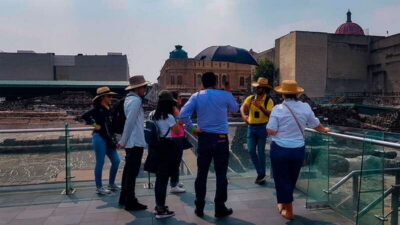
![Frida Kahlo VIP [Museum Tickets Included] Walk, Markets & Churros](https://4.mexicantourreviews.com/wp-content/uploads/frida-kahlo-vip-museum-tickets-included-walk-markets-churros-400x267.jpg)
Frida Kahlo VIP [Museum Tickets Included] Walk, Markets & Churros
Read our review →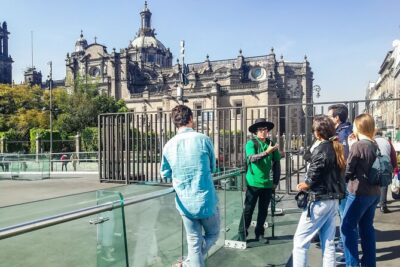

Puerto Vallarta’s Best Canopy Zipline + Jorullo Bridge walk!
Read our review →
Historical and Cultural Walking Tour of San Miguel de Allende
Read our review →
Tacos and Tequila Walking Tour with Taste of Miguel
Read our review →
Historical and Cultural Walking Tour of San José del Cabo
Read our review →Browse the lists this tour appears in