
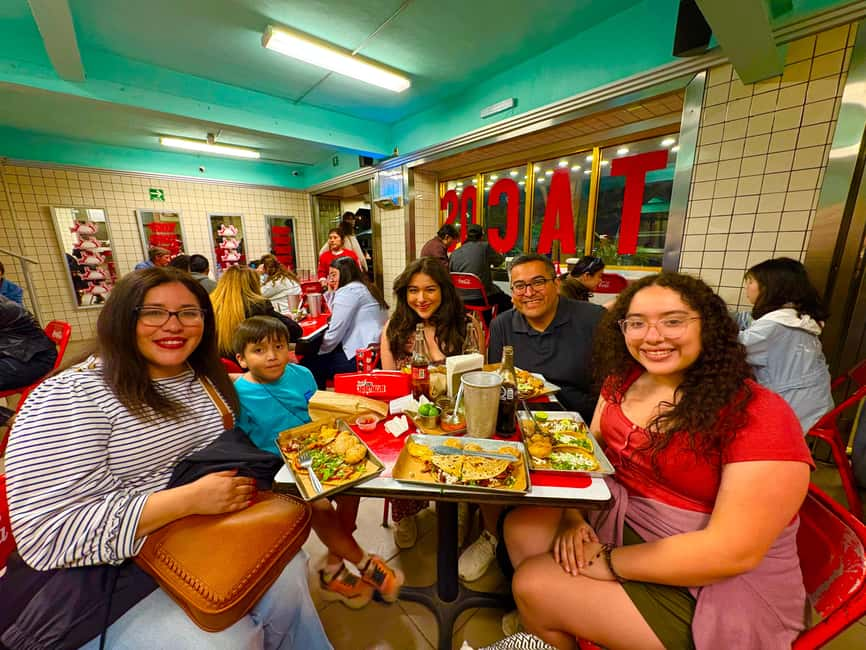
Reviewed · WALKING TOURS
Mexico City: Roma and Condesa Neighborhoods Walking Tour
Roma and Condesa are best understood on foot, where tree-lined streets lead from old mansions to coffee bars, parks, markets, galleries, bakeries, and small shops. This three-hour walk gives you a lively introduction, with local guides such as Laila, Jorge, David, and Desiree sharing stories and practical tips along the way.
I like the access to small art spaces and local markets, places that are easy to miss if you follow only the main sights. I also like the flexible approach: guides have adjusted routes for interests ranging from food and music to design and architecture. The main consideration is the amount of walking. You may cover several miles, and the route can run longer than three hours when the conversation and stops take hold.
Key points at a glance
- Start at Centro Cultural Bella Época: A useful meeting point in the Roma area, with the walk beginning among cultural and architectural sights.
- See Mexico Park and Río de Janeiro Plaza: These two public spaces help explain the look and social life of Condesa and Roma.
- Expect local food advice: Churros, bakeries, tacos, ice cream, vegetarian food, vegan dishes, and higher-end restaurants may all enter the conversation.
- Look beyond the main avenues: The route can include low-profile galleries, bookshops, vinyl stores, Mexican design shops, markets, and street art.
- Ask for a tailored route: Guides have adapted walks around art, food, shopping, nightlife, architecture, or music.
- Plan for real walking: Comfortable shoes, water, and weather-ready clothing will make a clear difference.
Why Roma and Condesa make such a good walking tour
Roma and Condesa sit among Mexico City’s most popular areas for cafés, restaurants, galleries, shops, and nightlife. Their appeal is not one grand monument. It is the way many small pleasures fit together: a leafy avenue, a restored building, a bakery window, a pocket park, and a shop selling objects made by Mexican designers.
You get a sense of two neighborhoods that feel polished but not locked away from daily life. The streets mix older architecture with modern restaurants and creative businesses. Vintage style, contemporary design, local food, and international influences sit close together.
That mix can be hard to read on your own during a short stay. A guide helps explain why a building matters, which streets reward a slower pace, and where you might return later. This is especially useful at the start of a Mexico City visit, when you want to learn the area before choosing where to eat or spend an evening.
The walk is also a good fit if you prefer seeing a neighborhood rather than checking off monuments. You are not simply moving from one famous building to the next. You are learning how people use parks, markets, cafés, shops, and cultural spaces.
A few more things to do in Mexico City worth a look
- Historic Downtown Walking Tour
★ 5.0 · 1,289 reviews - Mexico City: Historic Downtown Walking Tour
★ 4.8 · 1,039 reviews - Frida Kahlo VIP [Museum Tickets Included] Walk, Markets & Churros
★ 5.0 · 982 reviews
Starting outside Centro Cultural Bella Época
The meeting point is outside Centro Cultural Bella Época. This gives you a clear place to begin and puts you near the cultural side of Roma rather than dropping you into a generic tourist circuit.
The first portion of the walk includes short visits and orientation stops. The supplied route lists several early visits of about 10, 15, and 15 minutes, though the exact places are not specified. That means you should think of the opening as a guided introduction to the neighborhood, with time for architecture, local context, and questions rather than long visits inside major attractions.
Your guide may be Laila, Jorge, David, Desiree, or another member of the team. The strongest part of this experience depends on the person leading it, so it helps to tell your guide at the start what interests you most. Previous routes have been shaped around food, art, music, shops, architecture, markets, and evening activities.
Reading the architecture between the cafés
Roma and Condesa are easy to enjoy at street level, but their buildings add another layer. The walk gives you a chance to notice the older façades, unusual details, and changes brought by new restaurants, studios, and shops.
A guide can make these details easier to understand. Instead of seeing only a pretty street, you learn how architecture connects with the neighborhood’s identity and changing creative scene. The tour also points out lesser-known artistic and environmental spaces, including places that may not appear in a standard Mexico City sightseeing plan.
This is one reason I would take the walk early in your visit. Afterward, you can return to a building, gallery, or café that caught your eye. You also get recommendations based on the time of day: coffee and fresh bread in the morning, lunch stops in the afternoon, or places to begin an evening out.
Do not expect every stop to be a formal museum visit. Some places are shops, independent galleries, public spaces, or businesses where the value comes from the setting and the explanation. If you want a tour built around major historical monuments, this is not the right format.
Mexico Park, with about 20 minutes among the trees
Mexico Park is the clearest named stop on the route and one of the walk’s important pauses. The park gives you room to slow down after the denser streets and see how Condesa’s public spaces shape local life.
The scheduled visit lasts about 20 minutes. That is enough time for an introduction, a look at the surroundings, and photographs, but not an exhaustive exploration of every corner. The park also helps break up the walking. Three hours on city sidewalks can feel long, so a green public space is a welcome change of pace.
Your guide can connect the park with the wider feel of Condesa: tree-lined avenues, outdoor cafés, architecture, and the neighborhood’s reputation as a place where people like to walk and spend time outside. Bring a camera, but pay attention to the street scene too. The park is valuable as part of the neighborhood, not as an isolated attraction.
Same base, a different sort of day:
- Teotihuacan, Guadalupe Shrine & Tlatelolco Day Tour with Lunch
★ 5.0 · 11,603 reviews - Xochimilco, Coyoacan and Frida Kahlo with Optional Lunch
★ 4.5 · 7,320 reviews - Balloon flight + Breakfast in cave + Pyramids + Pick up CDMX.
★ 5.0 · 6,335 reviews - Teotihuacan pyramids morning or afternoon without tourist traps
★ 5.0 · 6,186 reviews
Markets, bakeries, and the food stops you can actually use
Food advice is one of the tour’s practical strengths. The walk can include traditional markets, bakeries, cafés, restaurants, churros, and other small tastes. Churros and hot chocolate at Churrería El Moro have been part of one route, while another guide introduced local fruit, tacos al pastor, and ice cream.
These stops are not included in the $58 price, so budget separately for anything you want to eat or drink. That is a drawback if you expect a food tour with tastings included. It is also useful because you can choose what appeals to you rather than paying for a fixed menu.
You can ask for vegetarian or vegan recommendations, as well as Mexican haute cuisine. That range matters. Roma and Condesa are not just about trendy coffee shops. You may hear about casual food, local markets, bakeries, plant-based meals, and higher-end restaurants in the same afternoon.
Markets are particularly worthwhile because they give the route a more ordinary, local feel. The experience is not limited to polished streets and stylish cafés. You may see where people shop, find traditional foods, and get a better sense of how the neighborhoods work beyond their dining scene.
If food is your priority, say so before the walk begins. Guides have adjusted routes for hungry participants, added restaurant stops, and allowed time for a meal. You should not assume a full meal is included, but you can make the tour more useful by stating what you want to taste.
Art galleries, design shops, and the less obvious stops
The experience includes visits or recommendations involving art galleries, fashion, Mexican jewelry, interior design, vinyl records, books, antiques, and Mexican-made goods. This is where the walk feels different from a basic neighborhood stroll.
Some galleries are described as low profile, which is good news if you like finding creative spaces without spending your whole day in large institutions. A stop at a gallery can be brief, but the guide’s explanation helps you understand what makes the place worth your time.
The same applies to record shops and design stores. You may not want to buy anything, but these places show how Roma and Condesa attract artists, collectors, musicians, and small businesses. They also give you ideas for gifts that are less predictable than standard souvenirs.
The route can include street art and unusual environmental spaces, including Huerto Roma Verde, a community area with a market section and garden. This kind of stop adds variety. You are not only looking at finished products in shops. You are also seeing how local groups use urban space for community and ecological projects.
Because businesses and exhibitions can change, no stop should be treated as guaranteed in exactly the same form. The general themes are reliable, but the day’s route may shift.
Río de Janeiro Plaza and the final part of the walk
Río de Janeiro Plaza is another named stop, with about 20 minutes allocated to the visit. Like Mexico Park, it works as both a place to see and a useful marker in the neighborhood.
The plaza brings together architecture, public space, and the everyday rhythm of Roma. It is a good setting for your guide to pull together ideas from earlier in the walk: how the streets are laid out, how older buildings sit beside new businesses, and why this area has become so sought after.
The itinerary also includes a later visit of about 30 minutes before the final 20-minute stop. The exact locations are not given, so you should not book this expecting a fixed checklist of named attractions. Instead, think of the route as a framework that leaves room for the guide’s local knowledge and your interests.
That flexibility has real value. Guides have taken people to bars, cinemas, food outlets, art spaces, markets, shops, and family-run places. Evening walks can show a different side of Roma and Condesa, with restaurants and nightlife replacing the morning bakery and coffee focus.
How much walking should you expect?
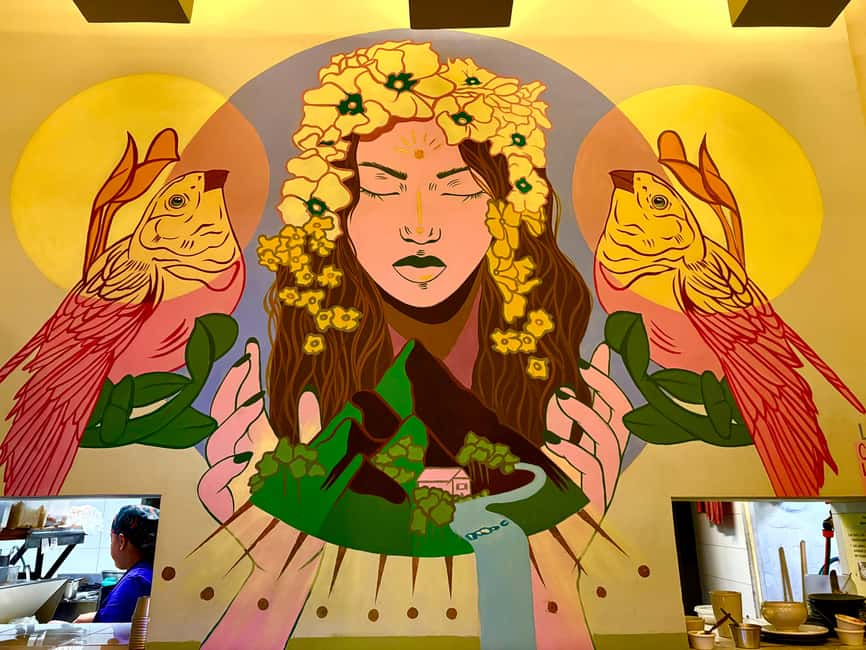
The official duration is three hours, but the pace is not rigid. Some guides have spent extra time with participants, and one reported route lasted about four hours. Another account described roughly six miles in two hours, which suggests that the amount of walking can vary depending on the group, route, and number of stops.
I would plan for a substantial walk rather than a gentle neighborhood loop. Wear comfortable shoes, carry water, and bring clothing suited to changing weather. A reusable bottle is a sensible addition.
Wheelchair access is listed, but city sidewalks, shop entrances, and changing street conditions can still affect how comfortable the route feels. If you use a wheelchair, confirm the day’s route and any particular access needs when booking.
Transportation to and from Roma and Condesa is not included. You are responsible for reaching the meeting point outside Centro Cultural Bella Época and for continuing on after the tour. Meals, drinks, and personal purchases also cost extra.
Is $58 a fair price?
At $58 per person, this is not the cheapest way to walk around Roma and Condesa. You can explore the streets for free, and many parks and public areas cost nothing.
The price makes more sense if you value local guidance and want to use three hours efficiently. You receive neighborhood orientation, cultural context, practical food advice, and access to places you might not notice alone. The tour can also save you from spending your first day wandering without knowing which streets or businesses suit your interests.
The value depends heavily on how actively you participate. If you remain passive, you may get a pleasant walk and general background. If you tell your guide that you want bakeries, galleries, vinyl, vegetarian food, nightlife, or architecture, the same price can produce a much more useful introduction.
The flexible style is a plus, but it also means the exact experience can vary. You are paying for a guide’s local judgment rather than a guaranteed set of ticketed attractions or included tastings.
Who will enjoy this walk most?
I would recommend it to first-time visitors who plan to spend time in Roma or Condesa and want quick orientation. It also suits repeat visitors who have seen the major Mexico City sights and want a more local look at food, design, art, and neighborhood life.
Food-focused visitors should ask for markets, bakeries, tacos, churros, vegetarian food, vegan options, or restaurants. Art and design fans can request galleries, Mexican jewelry, fashion, interiors, books, vinyl, or street art.
The tour is also good for people who enjoy conversational guiding. Laila, Jorge, David, and Desiree are described as friendly, flexible, and proud of the city, and several routes have felt more like an outing with a local than a formal lecture. That style will suit you if you like questions, detours, and personal recommendations.
It is less suitable if you dislike walking, need a tightly fixed schedule, or want every stop to be a major attraction. You should also avoid booking it as a food tour unless you understand that meals and drinks are not included.
Should you book the Roma and Condesa walk?
Book it if you want to understand these neighborhoods quickly and use the rest of your stay better. The combination of parks, architecture, markets, galleries, cafés, shops, and food advice gives you a broad first look without feeling like a standard monument tour.
I especially like it for a first morning or afternoon in Mexico City. Tell your guide what you care about, wear shoes made for serious walking, and keep some money available for a bakery, churro, coffee, or lunch stop. If you want a fixed route with included food or admission tickets, choose a different experience. For an adaptable neighborhood introduction with strong local guidance, this is a good buy.
FAQ
Where does the tour meet?
The meeting point is outside Centro Cultural Bella Época.
How long does the tour last?
The listed duration is three hours. The walking pace and total time may vary, and some routes have lasted longer.
What neighborhoods does the tour cover?
The tour covers Roma and Condesa in Mexico City.
What languages are available?
Live guiding is available in Spanish, English, French, and German.
Is the tour wheelchair accessible?
Yes, the activity is listed as wheelchair accessible.
Are food and drinks included?
No. Meals and beverages are not included, so you should pay separately for any food or drinks you choose.
Does the tour include transportation?
No. Transportation to and from the neighborhoods is not included.
Can I ask for food recommendations?
Yes. The experience includes recommendations for vegetarian, vegan, and higher-end restaurants, along with cafés, bakeries, markets, and other food stops.
What should I bring?
Wear comfortable walking shoes, bring a reusable water bottle and camera, and dress for the weather. Conditions may change during the walk.
Can I cancel for a full refund?
You can cancel up to 24 hours in advance for a full refund. A reserve-now, pay-later option is also available.
Just added in Mexico City
- Teotihuacan from Mexico City with early access★ 4.7 · 49 reviews
- Teotihuacan Pyramids: Guided Tour with Entry Ticket Included★ 4.1 · 45 reviews
- Teotihuacan Pyramids: Skip-the-Line Ticket★ 3.8 · 98 reviews
- From Mexico City: Puebla and Cholula Day Tour★ 4.2 · 194 reviews
- Nevado De Toluca: Reach the Summit with Professionals★ 4.8 · 250 reviews
- Mexico City: Xochimilco Boat with Guacamole & Premium Drinks★ 4.8 · 32 reviews
- Mexico City: Vegan and Vegetarian Street Food Adventure★ 4.8 · 65 reviews
- Mexico City: Ticket de entrada Museo Memoria y Tolerancia★ 4.8 · 68 reviews
Walking Tours, compared.
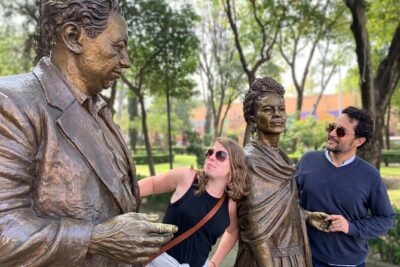
Frida Kahlo VIP [Museum Tickets Included] Walk, Markets & Churros
Read our review →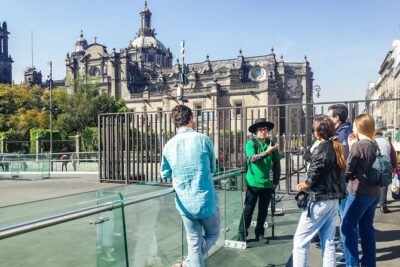
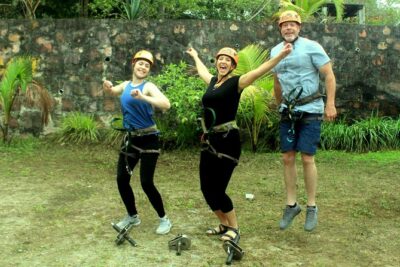
Puerto Vallarta’s Best Canopy Zipline + Jorullo Bridge walk!
Read our review →
Historical and Cultural Walking Tour of San Miguel de Allende
Read our review →
Tacos and Tequila Walking Tour with Taste of Miguel
Read our review →
Historical and Cultural Walking Tour of San José del Cabo
Read our review →Browse the lists this tour appears in