
Reviewed · WALKING TOURS
Guanajuato: Night Walk with the Estudiantina
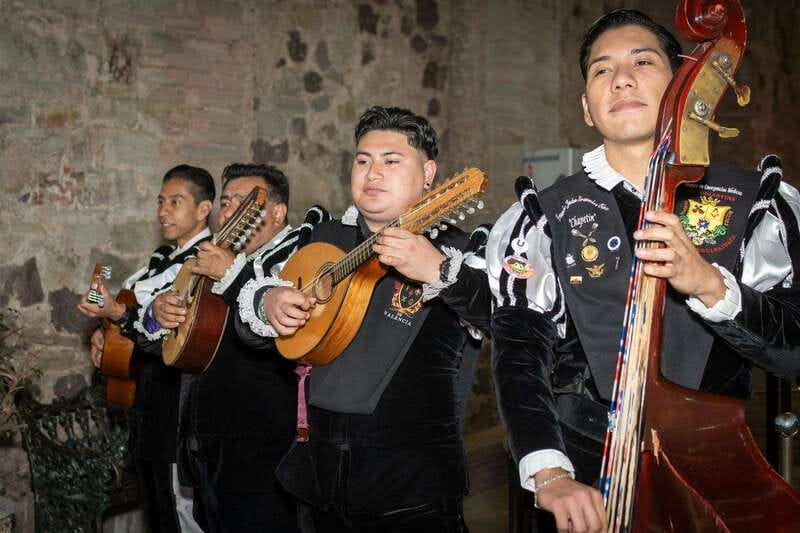
Guanajuato’s callejoneada is part street concert, part folk theater, and part moving history lesson. The Estudiantina leads you from Iglesia de San Diego through tight colonial alleys, stopping for music, dancing, legends, and the traditional finale at Callejón del Beso.
I like the live student music and the way the route turns Guanajuato itself into the stage. I also like the low $8 price for 70 minutes of local culture. The main drawback is that the experience is entirely in Spanish, and Callejón del Beso can be crowded enough to soften the final romantic moment.
Key points to know before you book
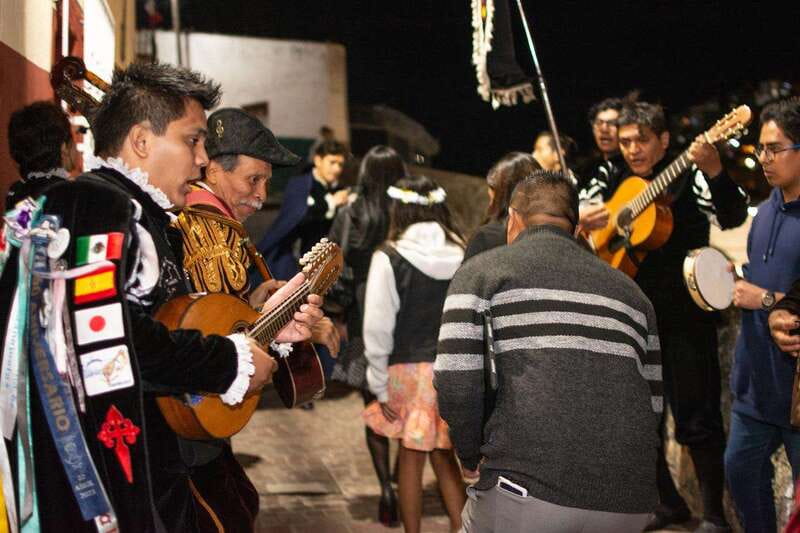
- The route begins at Iglesia de San Diego and ends at Callejón del Beso, with the city’s narrow alleys serving as the backdrop.
- The Estudiantina performs traditional Spanish songs while walking, dancing, and telling stories about Guanajuato.
- Salto del Mono is the main performance stop, with about 22 minutes set aside for a dance show.
- Spanish is the only tour language, but music and movement carry much of the experience.
- The $8 price is strong value if you want a cultural evening rather than a formal museum tour.
- You need a phone number that receives WhatsApp messages, since pre-tour communication uses that service.
Why Guanajuato’s callejoneada feels different
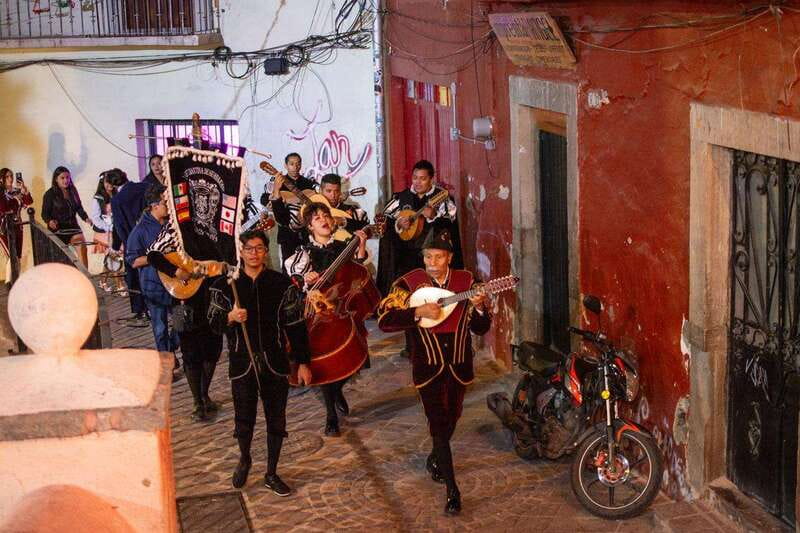
A callejoneada is not a standard walking tour with a guide standing in front of a group and speaking for an hour. The Estudiantina moves through the city with instruments, songs, jokes, dances, and stories. You are not simply looking at Guanajuato’s old streets. You are taking part in a local performance that uses those streets as its stage.
The tradition began in Guanajuato in the middle of the 20th century. It drew inspiration from old Spanish estudiantinas, musical groups made largely of university students. In Guanajuato, the idea found a natural home among steep lanes, small plazas, old churches, and narrow passageways.
Over time, the callejoneada became one of the city’s signature evening activities. That matters because the event is not just a tourist show built around a famous alley. It reflects a local form of folk art that combines student music, oral storytelling, humor, and city history.
I like that blend. You get a sense of Guanajuato’s public life without needing a lecture on architecture or a long list of dates. The city’s character comes through in the songs, the movement, and the stories told along the way.
A few more things to do in Mexico worth a look
- Historic Downtown Walking Tour
★ 5.0 · 1,289 reviews - Playa del Carmen Walking Food Tour
★ 5.0 · 1,274 reviews - Mexico City: Historic Downtown Walking Tour
★ 4.8 · 1,039 reviews
Starting at Iglesia de San Diego
The experience starts at Iglesia de San Diego, one of Guanajuato’s recognizable historic churches. The precise meeting details are provided on the day of the activity, so you should keep an eye on your WhatsApp messages and make sure the phone number on your booking can receive messages.
The opening portion sets the tone. You meet the Estudiantina and begin walking through the old center while the musicians perform. Since the event is designed as a moving show, you should expect less formal orientation and more immediate entertainment.
The first walking section lasts about 22 minutes. That is enough time for the group to pass through several old lanes and settle into the rhythm of the evening. Wear shoes that are comfortable for walking, since the route uses historic streets rather than a smooth, purpose-built walkway.
The setting does much of the work here. Guanajuato’s alleys are narrow and atmospheric, and the musicians can create a close, shared feeling as the group moves from one spot to the next. You might find the route more memorable than a seated concert because the performance changes as the surroundings change.
The 22-minute performance at Salto del Mono
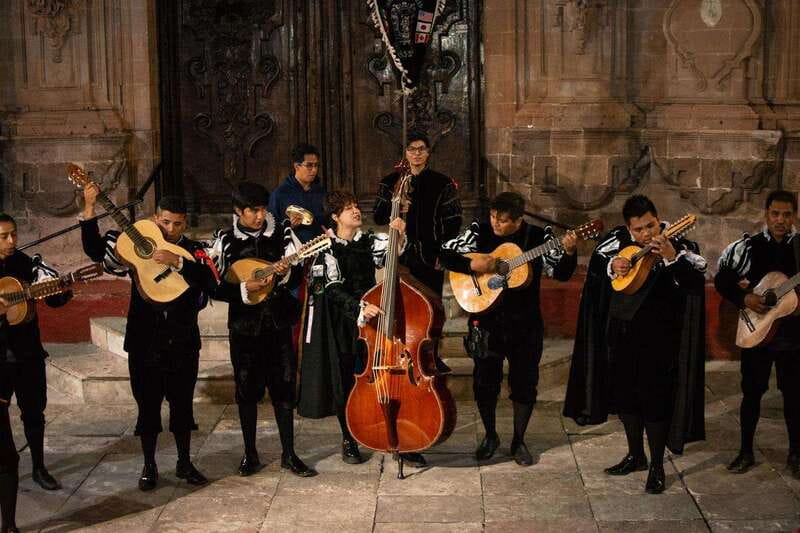
The route reaches Salto del Mono, where the experience includes a dance show lasting about 22 minutes. This is the clearest pause in the route and gives you time to watch rather than simply follow the musicians.
The dance portion adds a visual side to the music. Even if you understand little Spanish, you can follow the mood through the rhythm, movement, and audience participation. One practical advantage of this format is that you do not need to catch every word to enjoy the evening.
Still, this is not a silent sightseeing tour. The Estudiantina’s stories and anecdotes are delivered in Spanish, and that language barrier matters if you want to understand every legend. The activity works best for you if you are happy to enjoy the songs and gestures while catching whatever Spanish you can.
The performers are university-style student musicians, and their youthful energy is part of the appeal. A recent experience described the performers as warm and eager to draw the group into the event. That sense of participation is important. You are not expected to remain a quiet observer throughout the evening.
Walking toward Callejón del Beso
After Salto del Mono, the group continues toward Callejón del Beso, with about 26 minutes of walking. This is the longest section of the route, and it gives the Estudiantina more time to perform songs and share anecdotes about Guanajuato.
The walk is the heart of the callejoneada. The music follows you through the city, and the stories help connect the alleys to local customs and legends. I like this part because it offers a taste of Guanajuato at street level. You are moving through the old center rather than viewing it from a bus or checking it off from a list.
The format also keeps the evening social. The performers encourage people in the group to join in naturally, particularly when the music shifts toward dancing or familiar songs. You do not need to know the traditional songs in advance. You can listen, clap, follow the movement, or simply enjoy the spectacle.
Because the group is walking through public streets, conditions may vary. Other people can pass through the route, and the alleys may not feel private or controlled. If you want a quiet, carefully staged performance, this may feel too informal. If you want a lively local tradition unfolding in its real setting, that informality is part of the point.
Same base, a different sort of day:
- Chichen Itza, Cenote, and Valladolid Tour
★ 5.0 · 24,293 reviews - Chichen Itza, Cenote & Valladolid Tour with Tequila and Lunch
★ 4.5 · 15,789 reviews - Teotihuacan, Guadalupe Shrine & Tlatelolco Day Tour with Lunch
★ 5.0 · 11,603 reviews - Cabo Beach Camel Ride, Mexican Buffet and Tequila Tasting
★ 5.0 · 8,815 reviews
The finale at Callejón del Beso
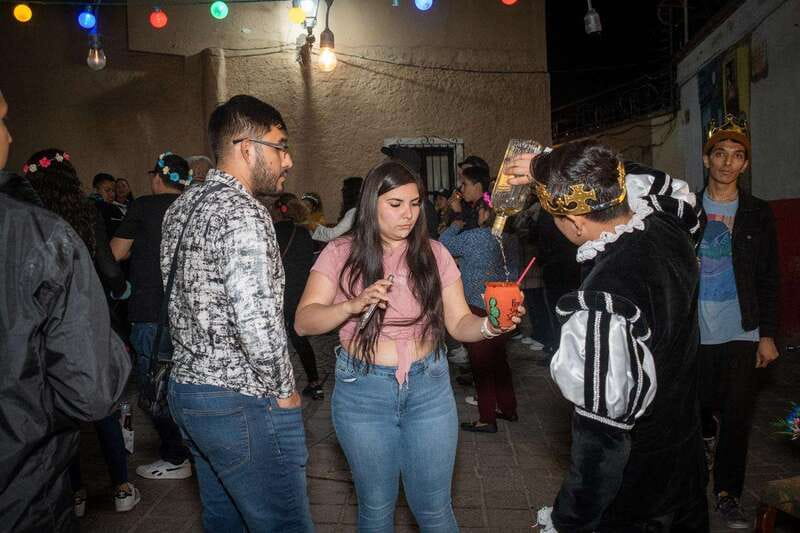
The walk ends at Callejón del Beso, Guanajuato’s famous narrow passage associated with the traditional kiss between people standing on opposite balconies. It is an obvious finale for a tour built around romance, legends, and old city stories.
The stop can be fun, but keep your expectations sensible. The alley may be busy, especially at night, and foot traffic can interrupt the symbolic moment. One recent account specifically pointed out that heavy activity at the site made the kiss scene less relaxed and less safe.
That is not a reason to skip the experience, but it is worth knowing before you go. The Estudiantina can bring energy and meaning to the arrival, yet it cannot control every person moving through a public alley. Treat the final stop as part of the city experience, not as a private photo opportunity.
You will probably get more from Callejón del Beso if you enjoy the story and the setting rather than focusing only on getting the perfect picture. The performance gives the landmark context, which is more useful than simply arriving, taking a photograph, and leaving.
Spanish language and what you really need to understand
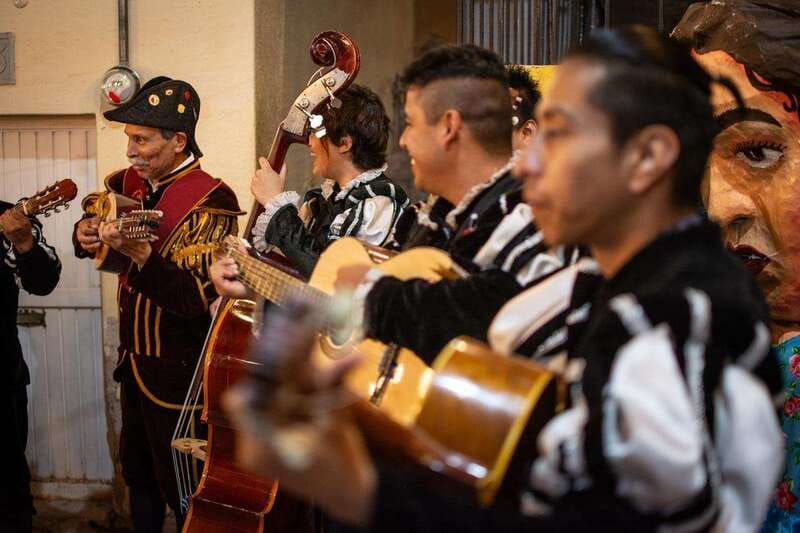
The activity is conducted 100 percent in Spanish. There is no other listed tour language, and the guide or performers will tell the legends and anecdotes in Spanish.
That sounds like a major limitation, but the format softens it. Much of the 70 minutes consists of music, movement, dancing, and walking. You can enjoy the performance without understanding every line, much as you might enjoy a folk concert abroad.
I would still be cautious if your main goal is detailed historical interpretation. You will miss some of the spoken content if you do not understand Spanish. This is better viewed as a cultural performance with storytelling than as a conventional bilingual history tour.
If you know basic Spanish, listen for repeated words, place names, and familiar song lines. If you know no Spanish, focus on the tone, music, costumes if used, gestures, and the way the performers interact with the group. The experience is accessible through more than words.
What the $8 price gets you
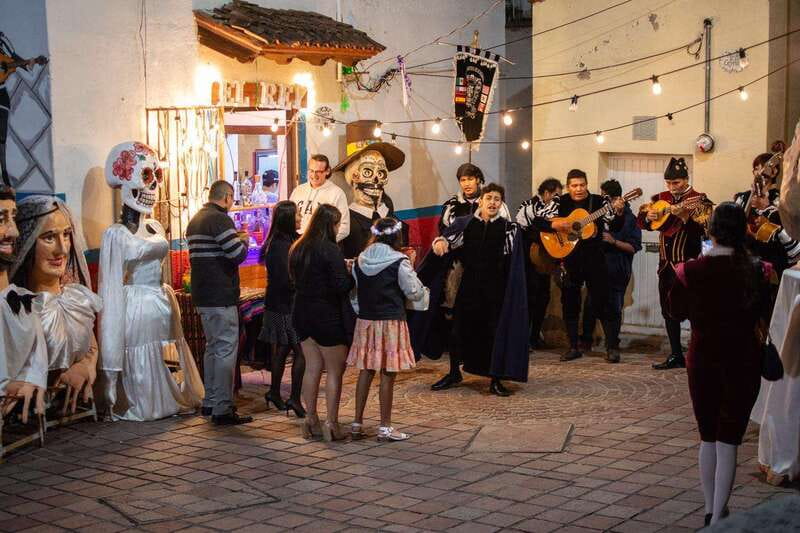
At $8 per person, this is one of the easier cultural activities to justify in Guanajuato. You get a 70-minute live performance, a guided walk through old alleys, a dance show, local legends, and a finish at one of the city’s most recognizable landmarks.
The value comes from the combination. A short music performance alone might feel limited. A walking tour alone might feel ordinary. Here, the Estudiantina adds a local tradition and a sense of occasion to both.
The price does not buy a private tour, a Spanish-language lesson, or a carefully controlled visit to Callejón del Beso. You are paying for an informal public performance, and the surroundings remain active city streets. That is a fair trade for the cost, especially if you want an evening activity that feels connected to Guanajuato’s folk culture.
I would be less enthusiastic if your priority is quiet sightseeing or detailed architectural explanation. For those needs, a standard walking tour may suit you better. For music, humor, legends, and a bit of participation, the price is very good.
Who will enjoy this most
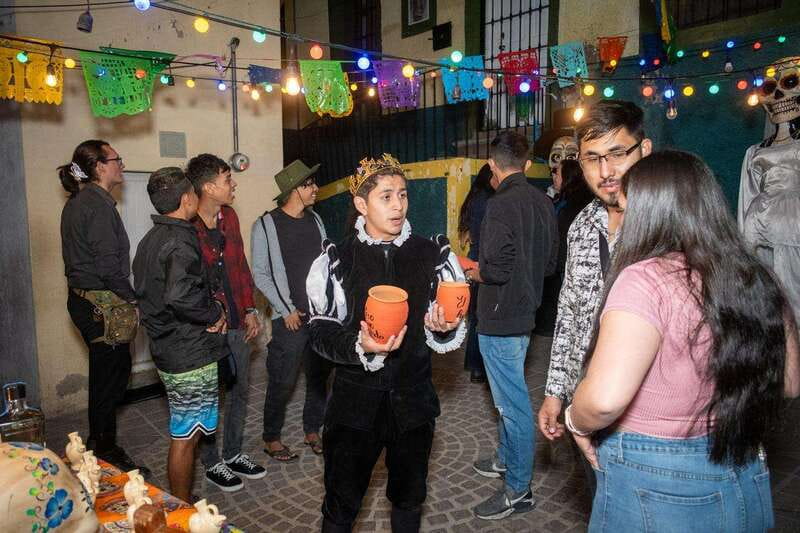
I would recommend the callejoneada to you if you like experiences that are social, musical, and tied to local customs. It is a good fit for couples, families with older children, and friends who want something different from a restaurant or museum visit.
You do not need to know the songs. You do not need fluent Spanish. You do need to be comfortable walking and standing in public spaces for roughly 70 minutes.
The experience may also suit solo visitors who want an easy way to join a group activity in the evening. The performers create much of the social energy, so you do not have to arrange your own entertainment.
I would think twice if you use a wheelchair. The activity is specifically not suitable for wheelchair users, and the route through old alleys is not presented as accessible. You should also reconsider if you want a fully English-language experience or a quiet, lecture-style tour.
Practical advice for a smoother evening
Keep your phone available before the tour. The meeting point details are supplied on the day, and communication takes place through WhatsApp. A number that cannot receive WhatsApp messages could leave you without important instructions.
Arrive ready to walk. The route includes about 22 minutes from Iglesia de San Diego to Salto del Mono and another 26 minutes to Callejón del Beso, along with the 22-minute dance show. The total activity lasts 70 minutes, but you should still choose footwear with comfort in mind.
Do not plan the evening around a perfectly private finish at Callejón del Beso. The alley is a public place, and crowding can affect the final scene. Enjoy the performance first, then take in the landmark as conditions allow.
The activity offers free cancellation up to 24 hours before the start for a full refund. It also allows you to reserve and pay later, which helps if your Guanajuato plans are still shifting. One booking was successfully moved to the following evening after a request, but you should not assume that every change will be approved.
My take on the Estudiantina experience
The strongest part of this callejoneada is its sense of movement. Guanajuato’s old lanes are not just a backdrop. They shape the performance, bring the group close together, and make the music feel connected to the city.
I also like that the tradition has a real local story behind it. The Estudiantina format came from Spanish student music, then took on a Guanajuato identity through the city’s alleys, legends, and public squares. You get a small but lively piece of local culture for a modest price.
The limitations are clear. Spanish is the only language, the route is not suitable for wheelchair users, and the finale can be crowded. The experience is also more folk performance than historical tour, so do not book it expecting detailed explanations at every stop.
Should you book this 70-minute walk?
Book it if you want music, dancing, legends, and atmosphere for $8. It is especially worthwhile on your first visit to Guanajuato, when you want an evening activity that introduces the old center through sound and movement rather than a list of monuments.
Skip it if you need English commentary, step-free access, or a quiet and tightly managed tour. For most other visitors, the Estudiantina offers an inexpensive and memorable way to experience a Guanajuato tradition. Just keep your phone ready for the meeting details, wear comfortable shoes, and treat Callejón del Beso as a lively public finale rather than a private romantic stage.
FAQ
Where does the night walk begin?
The walk begins at Iglesia de San Diego in Guanajuato.
Where does the activity finish?
The experience finishes at Callejón del Beso.
How long does the callejoneada last?
The activity lasts 70 minutes.
How much does it cost?
The price is $8 per person.
What happens at Salto del Mono?
The group stops at Salto del Mono for a dance show lasting about 22 minutes.
Is the tour available in English?
No. The activity is conducted entirely in Spanish.
Do I need to understand Spanish to enjoy it?
Knowing Spanish is not considered essential because much of the experience involves music and dancing. However, the legends and anecdotes are told in Spanish.
What music is performed?
The Estudiantina performs traditional Spanish music and popular songs while walking through Guanajuato.
How will I receive the meeting point details?
The specific meeting details are provided on the day of the experience. You need to provide a phone number that can receive WhatsApp messages.
Is the activity suitable for wheelchair users?
No. The activity is not suitable for wheelchair users.
Can I cancel for a refund?
Yes. You can cancel up to 24 hours in advance for a full refund.
Can I reserve now and pay later?
Yes. The activity offers a reserve-now, pay-later option.
Just added in Mexico
- Chichen Itza Full Day Tour★ 5.0 · 223 reviews
- Private Tour Uxmal Ruins and Chocolate Museum plus Cenote★ 5.0 · 43 reviews
- Private Merida Tour on a Budget – Best Rated★ 4.5 · 89 reviews
- Private Tour Chichen Itzá and Cenote plus Valladolid Magic town★ 5.0 · 30 reviews
- Private Tour Cenotes of Mucuyche & Santa Barbara in one day★ 5.0 · 56 reviews
- Merida : Chichen Itza, Izamal and Cenote with lunch and pick up★ 4.5 · 132 reviews
- Chichen Itza Elite Private Tour from Merida★ 5.0 · 58 reviews
- Chichen Itza Cenote and Magic Izamal★ 5.0 · 80 reviews
Walking Tours, compared.

Frida Kahlo VIP [Museum Tickets Included] Walk, Markets & Churros
Read our review →
Puerto Vallarta’s Best Canopy Zipline + Jorullo Bridge walk!
Read our review →
Historical and Cultural Walking Tour of San Miguel de Allende
Read our review →
Tacos and Tequila Walking Tour with Taste of Miguel
Read our review →
Historical and Cultural Walking Tour of San José del Cabo
Read our review →Browse the lists this tour appears in