
Reviewed · TOURS IN VALLADOLID
Valladolid Mayan Bees Tour with Lunch or breakfast and Honey Tasting
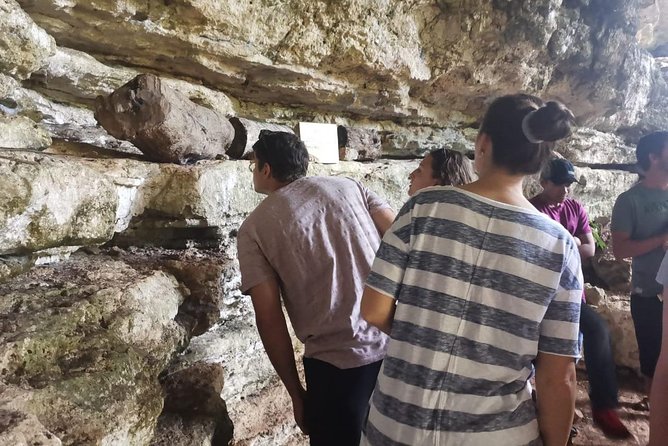
The most unusual part of this Valladolid outing is the chance to see Mayan stingless bees living in a dry cenote. You walk down into the cenote vault, study wild nests, then follow a jungle path to a working meliponario where a hive may be opened for a close look.
I like two things right away: the visit connects bee keeping with Mayan plant knowledge, and the included meal makes this more than a short talk and tasting. The small group limit of 10 also helps keep the experience personal. The main consideration is that the route includes stairs, uneven paths, heat, and plenty of mosquitoes, so closed walking shoes and strong organic repellent matter.
Key points at a glance
- A dry cenote becomes the first classroom: See local plants and wild bee nests below ground.
- Stingless does not mean bee-free: Mayan melipona bees lack stingers, but other bee species may be nearby.
- A working meliponario, not just a display: Learn how honey is made, inspect hive structures, and hear about other hive products.
- Honey tasting goes beyond one spoonful: Sample different honeys, pollen, propolis, and other products.
- Breakfast or lunch is part of the package: Choose from Yucatecan-style dishes, quesadillas, eggs, empanadas, or poc chuc.
- The practical setup is easy: Meet at Xkopek, just a short drive from central Valladolid, and finish at the same place.
Why Mayan bees make this Valladolid tour different
Yucatán is famous for Maya ruins and cenotes filled with clear water. Xkopek offers a different angle on the region: bees, native plants, food, and an old relationship between people and the natural world.
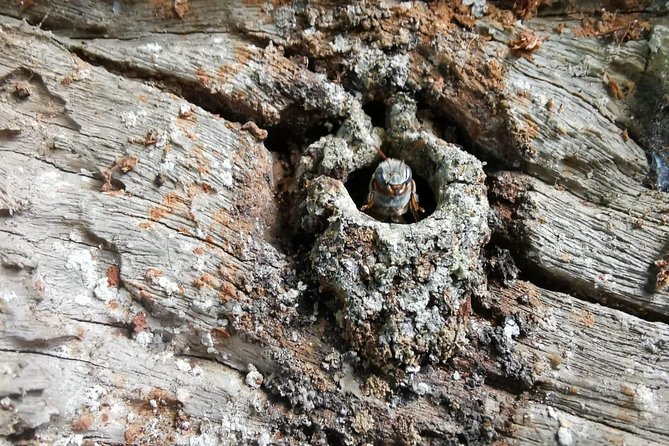
The focus is on melipona and other local bee varieties. These small native bees do not have stingers, which makes close observation less alarming than a standard European honeybee demonstration. You still need to follow your guide’s instructions. One account describes invasive European bees in the area, so do not assume every bee you see is stingless.
The Mayan connection gives the visit real substance. You are not only tasting honey. You are learning why native bees matter to the local ecosystem, which plants support honey production, and how bee keeping fits into Mayan practice. That makes this a good choice if you want an experience tied to place rather than a generic farm tour.
I especially like the way the visit links food to ecology. The honey on your tasting plate comes after you have seen the plants, the nests, and the people who care for the hives. That simple order makes the information easier to understand.
A few more things to do in Mexico worth a look
- Cabo Beach Camel Ride, Mexican Buffet and Tequila Tasting
★ 5.0 · 8,815 reviews - Early morning Chichen Itza Tour: Cenote and Tequila Tasting
★ 5.0 · 6,657 reviews - 4×4 ATV Adventure with Tequila Tasting and Mexican Buffet Lunch
★ 5.0 · 5,177 reviews
Starting at Xkopek and heading toward the dry cenote
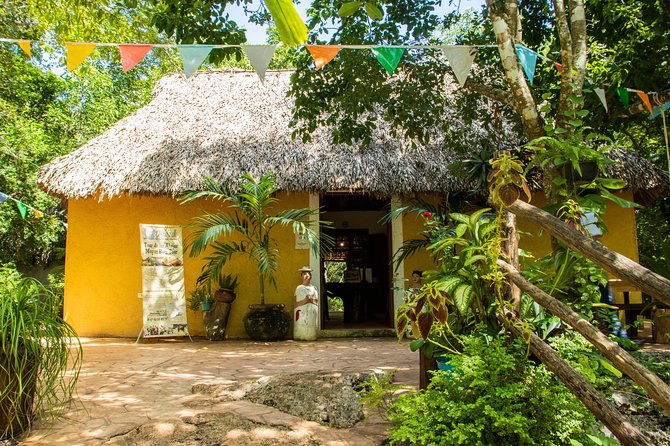
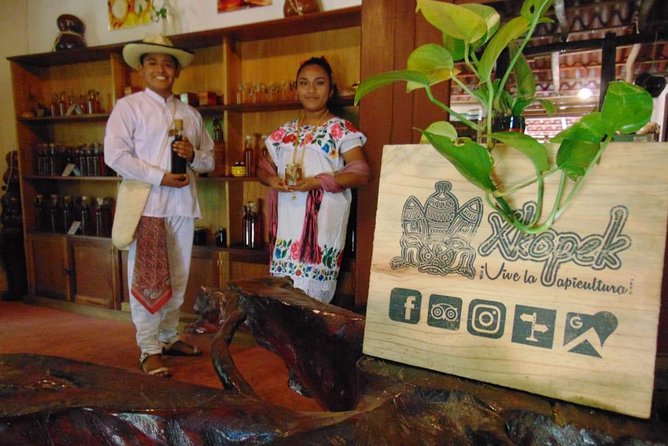
The meeting point is Xkopek Parque Apícola on Calle 57 between Calle 36 and Calle 38 in Valladolid. It is near public transportation, and free parking is available on-site. The activity begins and ends here, so you do not need to arrange separate transport between stops.
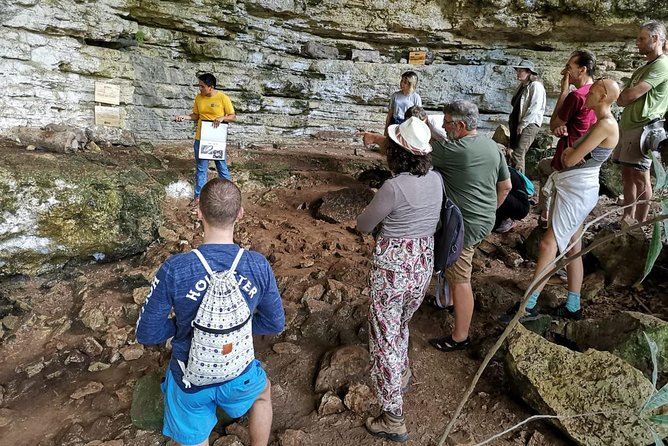
The first section is a walking tour through the park. You reach a stairway and descend into a dry cenote. This is not a swimming stop. Instead, the cenote works as a sheltered natural space where you can see local plants and learn how people use them.
The stairs and path make comfortable shoes essential. Closed shoes are specifically recommended, and I would take that advice seriously. You are walking through a natural setting, not a paved museum. Anyone with only light sandals may find the footing less pleasant.
Inside the cenote vault, your guide points out local bee varieties in their wild state. This is one of the most memorable parts of the experience because the hives are connected to the natural setting rather than placed only in neat rows for display.
A guide may also use a tablet with photographs or videos to make the explanation clearer. That visual help is useful in the darker cenote, where small nests and bee behavior may be difficult to see at first.
Walking the jungle path and reading the plants
After the cenote, you follow a jungle path toward the meliponario. The walk is short enough to fit within the roughly 90-minute program, but it adds an important layer to the visit.
Your guide identifies plants used in honey production and explains their value. This is where the experience becomes more than a bee talk. Bees depend on flowers, trees, and seasonal plant growth, so the path helps you see the whole system that supports the hives.
The setting is green and natural, but that brings one clear nuisance: mosquitoes. Bring an effective organic mosquito repellent, as requested by the operator, and consider long trousers and sleeves. One detailed account described many mosquitoes, which makes sense for a wooded area with wild pollinators. Apply repellent before you start, not after you are already on the path.
The early morning option may be more comfortable. One visit began at 8:30 a.m., when the temperature was still manageable, and finished with breakfast. If you dislike midday heat, ask for the morning schedule when choosing your time.
Inside the meliponario, where the hives become the main event
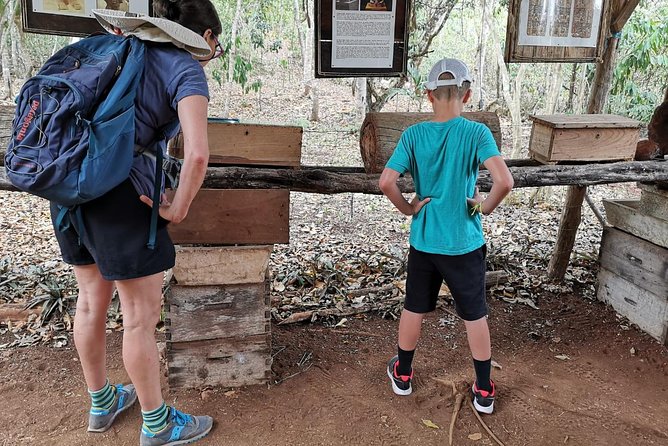
The meliponario is the working center of the experience. Here you learn how honey is produced and what else comes from the hive. The presentation includes information about health properties, though you should treat those explanations as traditional and educational rather than as medical advice.
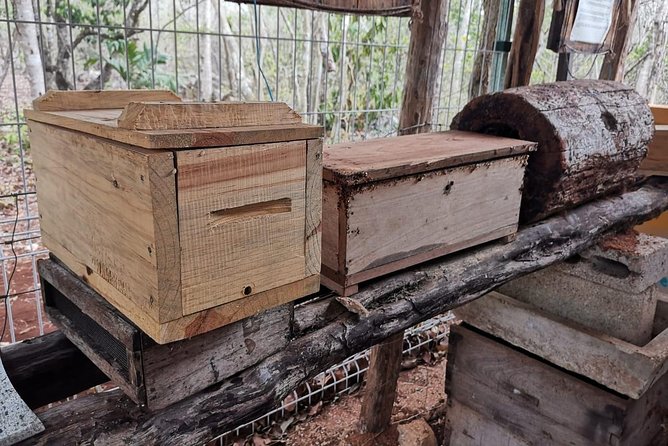
The most engaging feature is the chance to open a hive and inspect its structure. You can see the bees’ remarkable architecture up close, including the way the nest is organized. For children, this turns an abstract science lesson into something they can actually observe. One six-year-old reportedly kept talking about bees for the rest of the trip, which says a lot about the activity’s appeal for families.
The experience also works for adults with a serious interest in bees. A beekeeper from California found the comparison with local bees worthwhile, while biology-focused visitors appreciated the plant and habitat information. You do not need a technical background, but the tour has enough detail to hold the attention of someone who already knows the basics.
Guides named by the operator include Jorge, Dianela, Gerardo, and Julia. Other guide names connected with individual visits include Eduardo, Joel, and Mario. The important point is that the guide you receive may vary, but the program is led by a small team rather than a large anonymous operation.
English is offered. The quality of explanation appears to depend on the individual guide and the language mix in the group. One bilingual family found that too much time was spent speaking Spanish before the English explanation resumed. If you need English throughout, say so clearly at the start and ask the guide to alternate languages often.
Same base, a different sort of day:
- Chichen Itza, Cenote, and Valladolid Tour
★ 5.0 · 24,293 reviews - Chichen Itza, Cenote & Valladolid Tour with Tequila and Lunch
★ 4.5 · 15,789 reviews - Teotihuacan, Guadalupe Shrine & Tlatelolco Day Tour with Lunch
★ 5.0 · 11,603 reviews - Xochimilco, Coyoacan and Frida Kahlo with Optional Lunch
★ 4.5 · 7,320 reviews
Honey tasting, from sweet spoonfuls to hive products
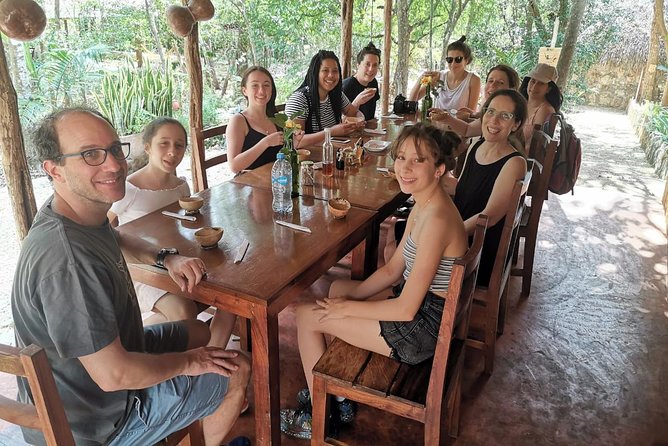
The tasting follows the hive visit. You may sample different types of honey along with products such as pollen, propolis, and other preparations from the hive. Some visitors sampled as many as nine products.
This is a useful part of the tour because it lets you compare flavors rather than treating honey as one single food. The tasting also shows that melipona products are valued for more than sweetness. The small on-site shop sells honey, bee products, creams, and souvenirs, so you can buy something connected to what you just learned.
I would leave a little room in your luggage. One product specifically praised in the supplied material was a moisturizing cream, and the shop offers items that are practical as well as edible. You can also take the customary souvenir photo at the end.
Do not expect a formal gourmet tasting with elaborate pairings. It is a friendly, hands-on sampling built into a nature visit. That casual style suits the setting and keeps the total time to about an hour and a half.
Breakfast or lunch adds real value
Food is included, which improves the value of the package. The breakfast choices include quesadillas, scrambled eggs, or an omelet with up to two ingredients, plus fruit water of the day.
Lunch options include traditional poc chuc with pork or chicken, or empanadas. The meal is served at the restaurant on the property, and several accounts describe the food as delicious, particularly the fresh tortillas, salsa, and poc chuc. Another assessment was more measured, calling the meal adequate rather than exceptional, but still worth the overall price.
That is the right way to view the food. You are not booking a dedicated culinary tour. You are getting a substantial meal attached to a one-and-a-half-hour cultural and nature activity. If you would otherwise pay for breakfast or lunch, the package offers a practical advantage.
The restaurant and washrooms were described as clean, which matters after walking in heat and among mosquitoes. If you choose the morning visit, breakfast gives you an easy start. If your schedule runs later, lunch fits naturally after the tasting.
Check the meal details when you book. The options are listed as breakfast or lunch, but one person found the breakfast inclusion unclear at the property. Confirming your selected package and meal choice can prevent an awkward surprise.
Who will enjoy this most
Families with children are a strong match. The bees are small and stingless, the hive structures are visually interesting, and the walk is short enough to avoid becoming an all-day commitment. Children who like animals, plants, or hands-on science should get plenty from it.
Couples and solo visitors also have good reason to choose it. The group limit is 10, the meeting point is simple, and the activity fills a useful gap between major Valladolid sights. It works particularly well on a day when you want something local but do not want another ruin, museum, or swimming stop.
Beekeepers, biology students, and nature-minded visitors may appreciate the visit most. You get a look at native species, wild nests, hive construction, plant relationships, and traditional practice in one compact program.
It is less suitable if you have a bee allergy. The operator specifically requires that participants not be allergic to bees. It is also not ideal for anyone who cannot manage stairs or a moderate walk on natural paths. The stated fitness level is moderate, and the setting can be hot and mosquito-heavy.
Timing, group size, and value in practical terms
The activity lasts about 90 minutes. That is long enough for the cenote, plant walk, meliponario, hive demonstration, tasting, shop, and meal without taking over your day.
A maximum of 10 people is a useful limit. You have a better chance of hearing the guide, seeing an opened hive, and asking questions than you would in a large coach group. Still, a bilingual group can affect the pace, so English speakers should make their language needs clear early.
The location is easy to add to a Valladolid itinerary. It is close to town, ends where it begins, and includes food. I consider that a strong value even without knowing the exact booking price, especially if you want one organized activity rather than separate transport, breakfast, and a museum-style admission.
The package is also a sensible stop on a route between Chichén Itzá and Tulum, provided your timing allows the full visit. Do not squeeze it into a schedule with no margin. The food, tasting, and walking portions all take time, and rushing would undercut the relaxed character of the place.
Cancellation is free up to 24 hours before the local start time. Changes or cancellations inside 24 hours are not refunded, and poor weather can lead to a new date or full refund. That policy is worth noting because parts of the visit take place outdoors.
Small drawbacks worth planning around
The mosquitoes are the most practical complaint. This is a natural bee habitat, not an air-conditioned attraction, so use repellent and cover your arms and legs if you can.
The bilingual presentation may not always divide time perfectly between Spanish and English. The issue is easy to manage if you ask for regular language changes, but it is important for families in which only some people understand Spanish.
The meal is convenient and generally well received, but this is not the place to expect a refined restaurant experience. Think fresh local food in a comfortable setting after a nature walk.
Finally, the dry cenote includes stairs and the jungle route is not fully urban or flat. The visit is accessible to people with moderate fitness, but it is not a sit-down tasting with a few steps to a table.
Should you book the Xkopek Mayan Bees Tour?
I would book this if you want to understand a less obvious part of Yucatán. The combination of a dry cenote, native stingless bees, Mayan practice, honey tasting, and a local meal feels more connected to Valladolid than another standard sightseeing stop.
Book it especially if you are traveling with children, care about conservation, or enjoy food with a story behind it. Choose the early time if heat bothers you, wear closed shoes, use serious mosquito protection, and confirm your breakfast or lunch selection.
Skip it if you have a bee allergy, cannot manage stairs and natural paths, or want a polished culinary tour. For most others, the short duration, small group, useful meal, and unusual subject make this one of Valladolid’s strongest offbeat activities.
FAQ
Where does the Mayan Bees Tour begin?
It begins at Xkopek Parque Apícola on Calle 57 between Calle 36 and Calle 38 in Valladolid, Yucatán. The activity also ends at this meeting point.
How long does the experience last?
The walking tour, cenote visit, meliponario presentation, tasting, and related activities take about 1 hour and 30 minutes.
Are the Mayan bees dangerous?
The native melipona bees shown during the activity do not have stingers. Other bee species may be present in the wider area, so you should still follow the guide’s instructions and avoid booking if you have a bee allergy.
Is food included?
Yes. The package includes either breakfast or lunch, depending on the option selected. Breakfast may include quesadillas, scrambled eggs, or an omelet with up to two ingredients. Lunch options include poc chuc with pork or chicken, or empanadas. Fruit water is included.
What should I wear?
Wear comfortable closed shoes for stairs and walking on natural paths. Organic mosquito repellent is recommended, and long trousers or sleeves may help with mosquitoes.
Is the tour offered in English?
Yes. English is one of the available languages. If the group is bilingual, ask the guide to alternate between Spanish and English regularly so everyone receives the same information.
How many people can join the activity?
The maximum group size is 10 people.
Can I cancel for a refund?
You can cancel at least 24 hours before the local start time for a full refund. Cancellations or changes made within 24 hours are not refunded. If poor weather causes the operator to cancel, you will be offered another date or a full refund.
Just added in Mexico
- Akumal: Dolphin Encounter★ 4.4 · 56 reviews
- San Cristóbal: Agua Azul, Misol Ha & Palenque Experience★ 4.3 · 186 reviews
- Explore La Huasteca Canyon (Group/Private)★ 5.0 · 88 reviews
- Full Day Tour to Tulum Cenote and Swim with Turtles in Akumal★ 5.0 · 277 reviews
- San Cristóbal: Canyon, Viewpoints & Chiapa de Corzo Tour★ 4.7 · 231 reviews
- The Grutas de Garcia & Town (Cablecar Ticket + Premium SUV)★ 5.0 · 85 reviews
- Full Day Tour Chichen Itza plus Cenotes From Valladolid★ 4.0 · 107 reviews
- Sumidero Canyon and Chiapa de Corzo Tour Compartido★ 4.6 · 131 reviews
Tours in Valladolid, compared.

Rio Lagartos guided boat tour- Ek Balam from Valladolid
Read our review →
Full Day Tour Chichen Itza plus Cenotes From Valladolid
Read our review →Browse the lists this tour appears in