
Reviewed · TEQUILA & MEZCAL TASTING TOURS
Mexico City: Tequila and Mezcal Museum Tour with Tasting
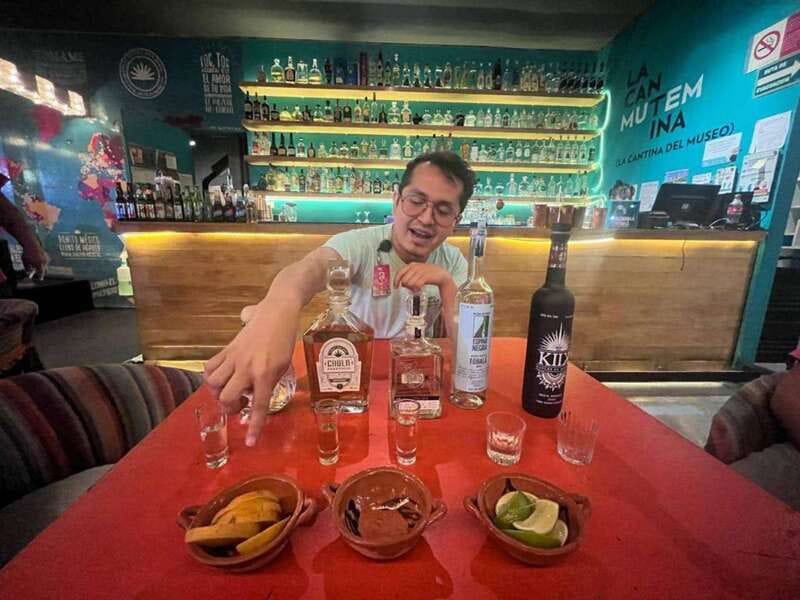
More than 2,000 bottles fill the Tequila and Mezcal Museum beside Plaza Garibaldi, turning a short museum visit into a useful introduction to Mexico’s best-known spirits. A bilingual guide leads you through agave, production, labels, local customs, and the mariachi culture outside, then teaches you how to taste two tequilas and two mezcals.
I especially like the small groups of up to five, which give you room to ask questions, and the side-by-side tasting, which makes the difference between blanco, reposado, and mezcal much easier to grasp. The museum itself is compact, and the exterior may look less impressive than the displays inside, so the quality of your visit depends heavily on your guide.
Key points to know before you book
- More than 2,000 bottles: Expect unusual shapes, decorative designs, and bottles containing items such as worms, scorpions, or snakes.
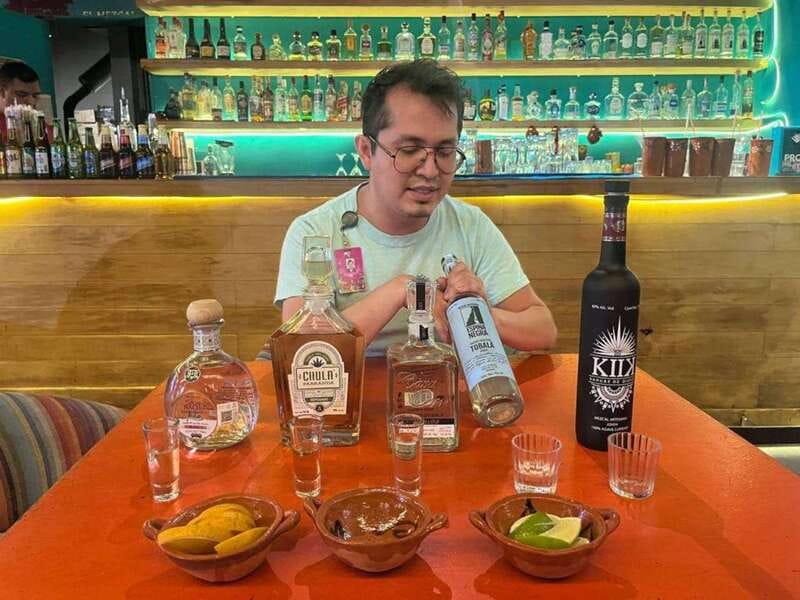
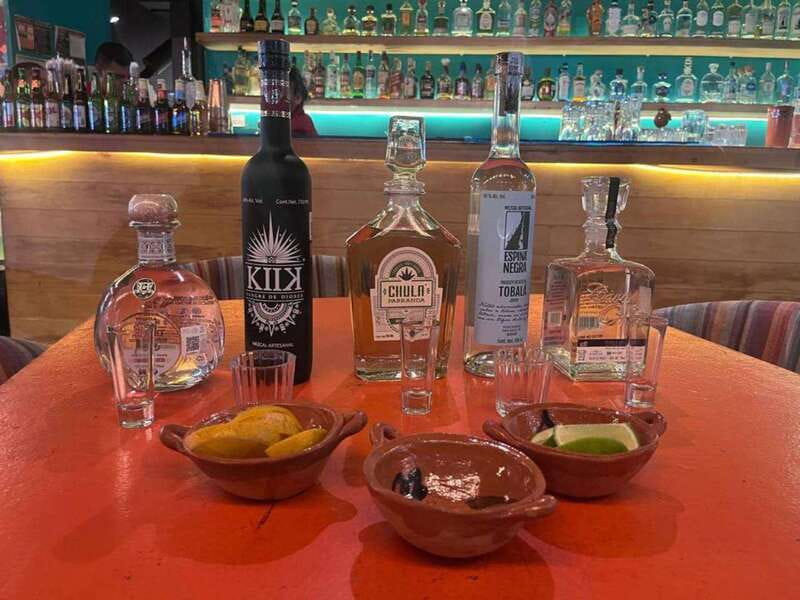
- Four official tasting pours: You receive one tequila blanco, one tequila reposado, and two wild mezcals.
- A guide-led visit matters: Guides including Ricardo, Maria, Jorge, Victor, Omar, and Levi are praised for clear explanations and good answers to questions.
- Plaza Garibaldi adds local context: You learn about mariachi culture and the plaza’s UNESCO recognition, then can continue exploring the area.
- Small-group setting: The group is limited to five people, a useful size for a tasting and question-heavy tour.
- Plan for alcohol, not lunch: Transportation, food, and extra drinks are not included, though you can spend time at the restaurant afterward.
Why this museum is worth your time
Tequila and mezcal can look like simple shot-drinking subjects from the outside. This tour shows you why they are not. The story begins with agave, the plant that gives both spirits their identity, then moves through cultivation, cooking, fermentation, distillation, aging, bottling, and marketing.
I like this approach because you do not need prior knowledge. You can arrive as someone who only knows tequila from a salt-and-lime ritual, or as a serious spirits fan who wants to sort out production methods and labels. The guide adjusts the conversation through questions, examples, and tasting notes.
The museum is also tied to its setting. It sits at Plaza Garibaldi, one of Mexico City’s best-known mariachi gathering places. Your guide explains the role of mariachi music and the UNESCO designation from 2011, giving the bottles a cultural setting rather than treating them as isolated souvenirs.
This is not a large national museum with long galleries and elaborate technology. It is a compact stop with a strong focus on bottles, agave spirits, and storytelling. That distinction matters. If you want a formal museum visit, you may find the space modest. If you want a short, friendly lesson before ordering tequila or mezcal around Mexico, it makes better sense.
More Tequila Tastings in Mexico City
- Lucha Libre Tickets & Tacos & Beer & Mezcal – BEST NIGHT EVER!
★ 5.0 · 1,077 reviews - Lucha Libre Tour and Mezcal Tasting in Mexico City
★ 5.0 · 519 reviews - A Night of Tacos and Mezcal in Mexico City
★ 5.0 · 262 reviews
Entering the museum at Plaza Garibaldi
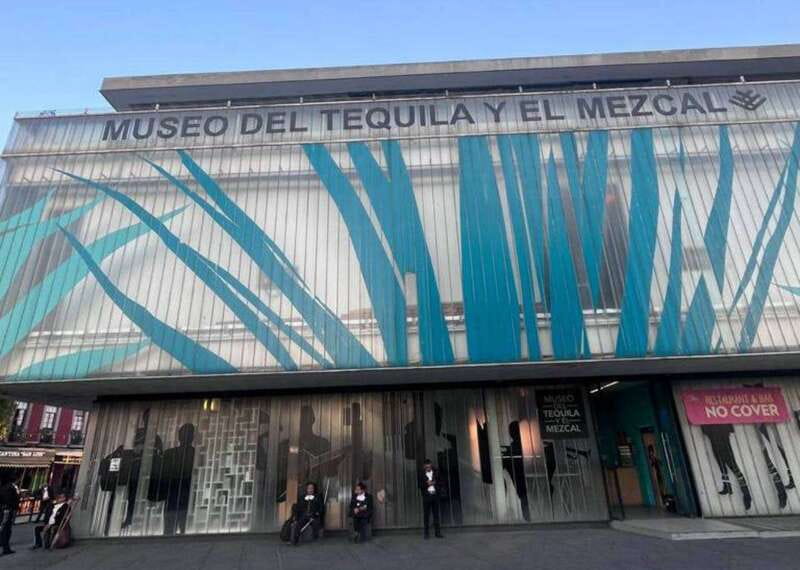
You begin at the Museo del Tequila y Mezcal. The meeting process is simple: show your mobile voucher at the front desk, then join the bilingual guide for the visit.
The exterior can look plain, and I would not judge the experience from the street. Inside, the displays have much more character. One of the most memorable sights is the large collection of bottles, with more than 2,000 examples arranged around the museum.
The collection is not only about brand recognition. You might see elaborate shapes, colorful designs, and bottles made to catch the eye of a buyer. Some contain unusual additions, including the worm associated with mezcal, along with scorpions and snakes. These objects help explain how presentation and folklore have become part of the spirits trade.
The museum is small, so you will not spend hours wandering. That is useful if you have limited time in Mexico City, but it also means the guide’s explanations carry much of the visit. A self-guided walk could feel thin. With a guide, the same compact space becomes a framework for the production story.
Agave, cooking, and the road to the bottle
The most useful part of the tour is the explanation of how agave becomes a drink. You learn about different types of agave and how they relate to tequila and mezcal. The guide then walks you through the stages that shape the final taste.
Cooking is especially important. Mezcal is often associated with smoky flavor, and the production method helps explain why. The tour also touches on less expected traditions, including unusual ingredients and methods connected to mezcal production. One example discussed by a guide involved smoked turkey, a detail that shows how regional practices can be far more varied than a standard bar menu suggests.
You also learn about the difference between tequila and mezcal. The tasting is the best place to put the lesson into practice, but the museum talk gives you the basic map first. That makes the four samples easier to understand instead of leaving you with four unrelated shots.
The guide also explains production history and the growth of major producers. For a beginner, this helps connect the bottle in your hand with the people, methods, and business decisions behind it. For a bartender or spirits fan, the talk can offer a more useful look at agave categories and production choices.
The bottle collection tells a second story
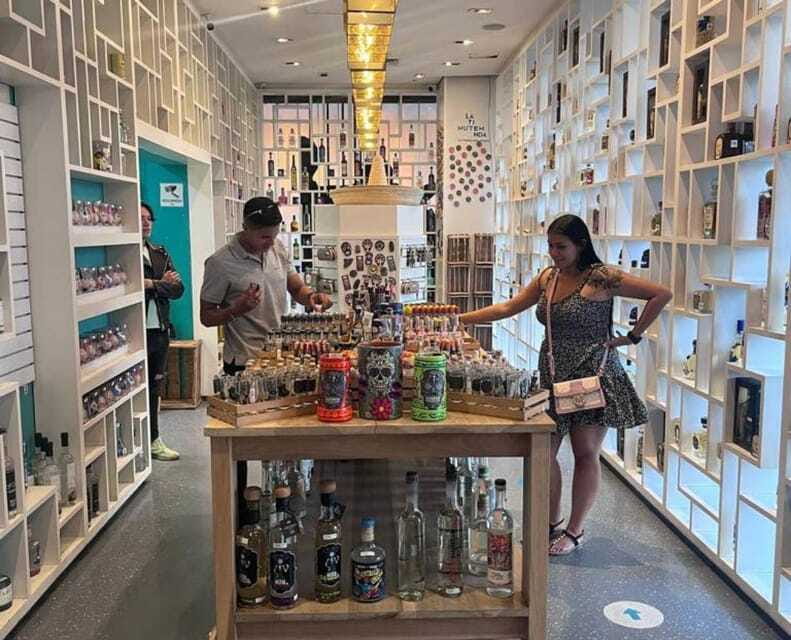
The museum’s bottle displays deserve more than a quick photograph. They show how tequila and mezcal are sold as cultural products as well as drinks. A bottle may be plain and practical, or it may be designed as a keepsake.
I find this useful because shopping for tequila or mezcal can be confusing. Labels often use terms that are familiar to people in Mexico but less clear to first-time buyers. The guide helps you pay attention to the information on the label and gives practical advice on how to compare brands and styles.
The collection also keeps the visit from becoming a technical lecture. The unusual bottles, visual displays, and art connected with agave give you something to look at while the guide explains the less visible parts of production.
There is a small gallery featuring local art connected with agave, according to the experience details shared by past participants. It adds another layer to the visit, showing how the plant appears in Mexican design and artistic expression, not only in a glass.
More agave spirits to taste around Mexico City:
- Cabo Beach Camel Ride, Mexican Buffet and Tequila Tasting
★ 5.0 · 8,815 reviews - Early morning Chichen Itza Tour: Cenote and Tequila Tasting
★ 5.0 · 6,657 reviews - 4×4 ATV Adventure with Tequila Tasting and Mexican Buffet Lunch
★ 5.0 · 5,177 reviews - Cancun ATV Jungle Adventure, Ziplines, Cenote and Tequila Tasting
★ 4.5 · 4,873 reviews
Tasting two tequilas and two mezcals
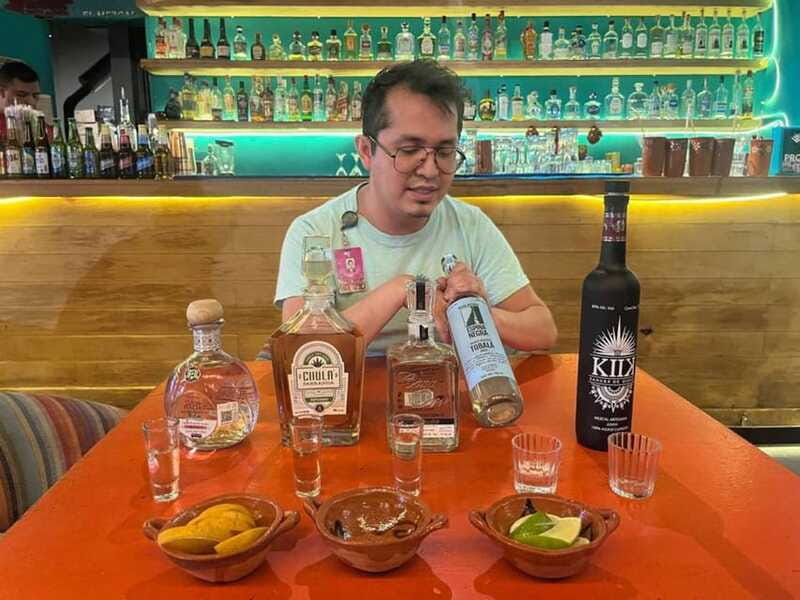
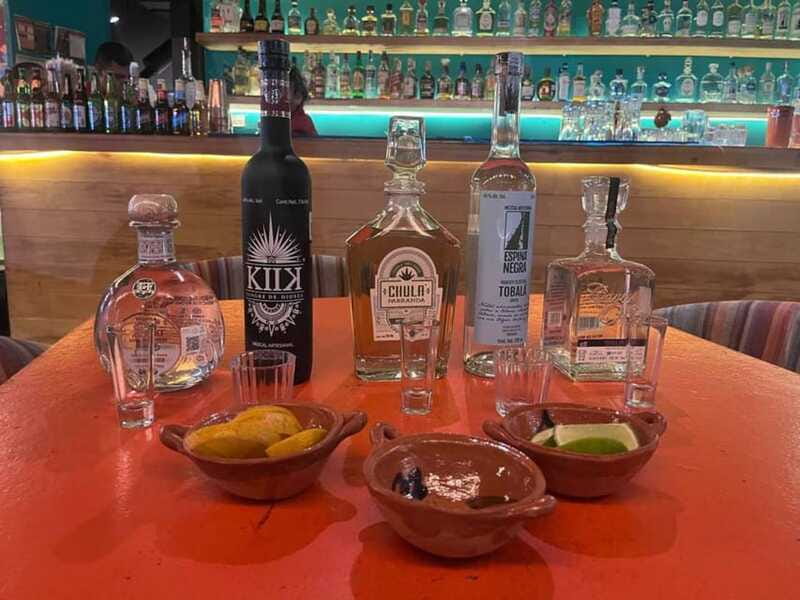
The tasting includes:
- One tequila blanco
- One tequila reposado
- Two wild mezcals
The point is comparison, not simply quantity. Blanco tequila is generally presented as a younger, unaged style, while reposado has spent time resting in wood. The two mezcals let you compare different expressions of an agave spirit that may have very different aromas and flavors.
Your guide explains how to hold the glass, smell the drink, take a small taste, and pay attention to what follows. You learn to look for differences in aroma, texture, smoke, sweetness, and finish. You do not need to use formal tasting language. The guide’s job is to give you a few practical ways to notice what is in front of you.
This is where the tour earns much of its $40 price. Buying four drinks separately might not teach you why they differ. Here, the pours are connected to a lesson, and you can ask questions while the comparison is fresh.
The tasting is not a full meal, and food is not included. Extra drinks are also separate. Plan accordingly, particularly if you expect alcohol to be the main activity of your afternoon. Children may enter the museum, but they cannot drink during the tasting.
A useful point for cautious drinkers: you are not required to arrive as a tequila fan. Several guides are praised for making the subject accessible to beginners and for explaining how to choose an affordable bottle. The goal is appreciation and recognition, not proving how much you can drink.
What the guides add to the visit
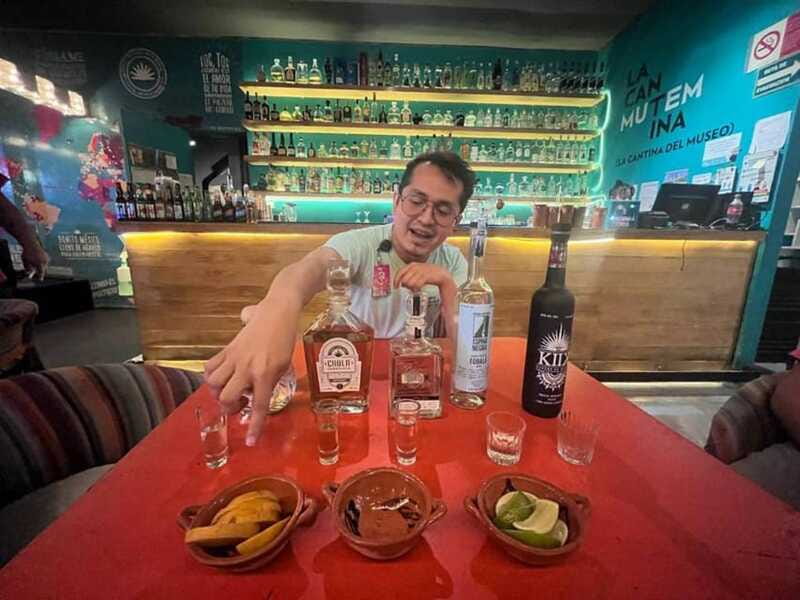
The guide is the key variable here. Names that appear in the tour operation include Ricardo, Maria, Jorge, Victor, Omar, Levi, and Lemi. The strongest pattern is clear, friendly teaching rather than a rushed script.
Ricardo receives especially strong praise for explaining the history, production, marketing, and tasting process in a patient way. Maria is noted for her warmth, and Jorge for his passion for the subject. Victor’s explanations connect cultivation and production with the tasting, while Levi is praised for making a surprisingly large subject easy to follow.
The group limit of five helps. In a large group, a spirits tasting can turn into a line of people waiting to ask one question. With five or fewer participants, you have a better chance to ask about a bottle, a flavor, or a label that catches your attention.
The tour is offered in English or Spanish. If you are more comfortable in Spanish, you can choose that option. English-language instruction is available, though the exact guide depends on the scheduled departure.
Plaza Garibaldi after the museum
The location gives you a natural way to continue the evening. Plaza Garibaldi is associated with mariachi musicians, and the guide introduces that tradition during the museum visit. The plaza can be especially active later in the day.
Carry pesos if you want to pay a mariachi group for a song or leave a tip for your guide. That practical detail can make the area easier to enjoy. The tour itself does not include mariachi music, transportation, or a wider neighborhood excursion, so treat the plaza as your own next stop.
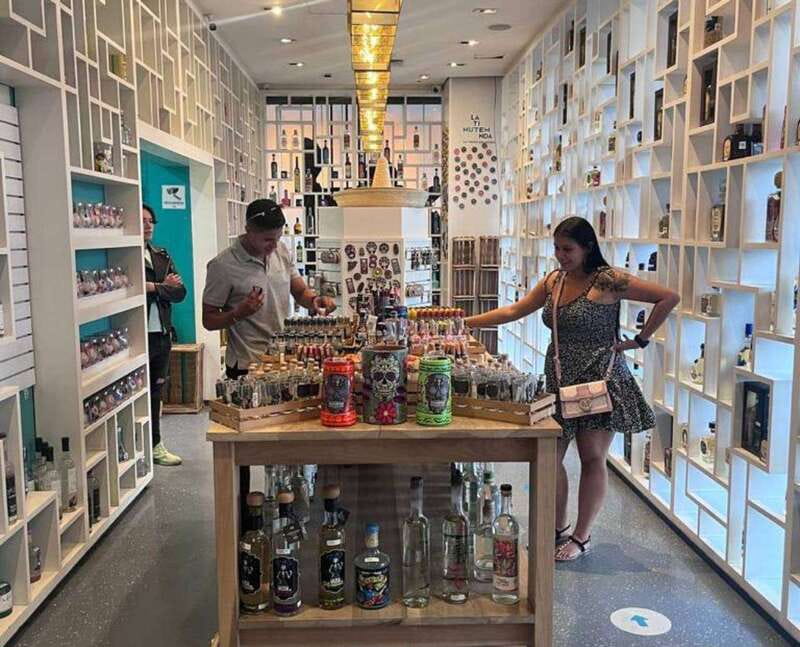
You can also spend time at the museum restaurant after the formal tour. Food and additional drinks cost extra, but the option is useful if you want to pause before moving on. The shop gives you time to look at bottles and consider buying something you tasted.
I would avoid rushing away immediately after the tasting. The shop is a chance to compare labels while the guide’s advice is still fresh. If you are buying, ask yourself whether you are choosing the flavor you liked or simply the most decorative bottle.
Price, timing, and practical value
At $40 per person, this is a fair price for a 1.5-hour guided visit with four tastings, especially if you are new to agave spirits. The value comes from the combination of instruction and comparison. A quick museum walk without a guide would likely offer less.
The stated museum itinerary lists a 105-minute guided tour, while the activity is presented as lasting 1.5 hours. Allow roughly that general window and check the available starting time when booking. The small group makes the time feel focused rather than padded.
Transportation is not included, so you must make your own way to the museum. That is easy to factor in if you are already visiting central Mexico City, but it matters if you are staying far away or trying to fit the tour between airport connections.
Free cancellation is available up to 24 hours before the start time, and you can reserve while paying later. Those terms are useful if your Mexico City plans are still shifting. The museum is wheelchair accessible, and pets are not allowed.
Who should book this tour
I would choose this tour for a first visit to Mexico City if tequila or mezcal is on your list but you do not yet know what to order. It also suits couples, small groups, solo visitors who enjoy guided activities, and anyone who wants a short cultural stop rather than a full-day excursion.
It works well for spirits enthusiasts too, especially bartenders and serious home drinkers. The tasting gives you a controlled comparison, while the production talk adds context that a bar flight may not provide.
Families can visit the museum, but the tasting is for adults. If some members of your group do not drink, they can still take part in the museum portion, but the alcohol element will naturally be less central for them.
I would think twice if you dislike guided tours, have no interest in agave spirits, or expect a large museum with many rooms and formal exhibits. The collection is compact, and the tour depends on conversation. The plain exterior may also set the wrong expectation if you are looking for a polished attraction from the moment you arrive.
Should you book the Tequila and Mezcal Museum tour?
Book it if you want to learn the difference between tequila and mezcal before spending money at bars or shops in Mexico. The four-sample tasting, friendly bilingual instruction, and Plaza Garibaldi setting give you a lot to work with in a short visit.
I especially recommend it as an early Mexico City activity. You leave with a better sense of blanco, reposado, mezcal, agave, labels, and tasting technique, which can improve the rest of your trip. Just remember that the museum is small, food and transportation are extra, and children cannot take part in the alcohol tasting.
FAQ
How long does the Tequila and Mezcal Museum tour last?
The activity is advertised as 1.5 hours. The museum itinerary describes a 105-minute guided tour, so allow roughly an hour and a half to one hour and forty-five minutes.
What drinks are included in the tasting?
The tasting includes one tequila blanco, one tequila reposado, and two wild mezcals.
Is the tour available in English?
Yes. Live guiding is available in English and Spanish.
Can children join the museum visit?
Yes, children are welcome in the museum. They cannot drink alcohol during the tequila and mezcal tasting.
Is transportation included?
No. You are responsible for reaching the Museo del Tequila y Mezcal. Food and drinks beyond the included tasting also cost extra.
Is the museum wheelchair accessible?
Yes, the activity information states that the museum is wheelchair accessible.
More Museums in Mexico City
- CDMX: Xochimilco, Coyoacan, Frida Kahlo Museum & Murals Tour
★ 4.4 · 3,025 reviews - Chapultepec Castle & Anthropology Museum Tour
★ 4.5 · 1,348 reviews - Frida Kahlo VIP [Museum Tickets Included] Bike, Markets & Churros
★ 5.0 · 1,072 reviews - Anthropology Museum Guided Tour
★ 4.5 · 1,035 reviews
More Food & Drink in Mexico City
- Historic Center Food Tour in Mexico City
★ 5.0 · 1,263 reviews - Polanco Food Tour: The Bestselling Food Adventure in Mexico City
★ 5.0 · 881 reviews - Colonia Roma Food Tour
★ 5.0 · 838 reviews - Mexico City Historical Centre Food Tour with 7 Authentic Tastings
★ 5.0 · 723 reviews
Just added in Mexico City
- A Night of Tacos and Mezcal in Mexico City★ 5.0 · 262 reviews
- Mexico City: Taxco & Cuernavaca Tour with Pre-Hispanic Mine★ 4.6 · 271 reviews
- From Mexico City: 10-Hour Cuernavaca and Taxco Tour★ 4.0 · 133 reviews
- Mexican Wrestling: Experience Lucha Libre in Mexico City★ 4.0 · 228 reviews
- Tolantongo Caves Hot Springs & Waterfalls Small Group Tour★ 4.5 · 254 reviews
- Cuernavaca and Taxco Tour from Mexico City★ 4.0 · 88 reviews
- Street Food Tour with Friends★ 5.0 · 326 reviews
- Private Tour: Xochimilco, Coyoacan and Frida Kahlo Museum★ 5.0 · 350 reviews
Tequila & Mezcal Tasting Tours, compared.

Cabo Beach Camel Ride, Mexican Buffet and Tequila Tasting
Read our review →
Early morning Chichen Itza Tour: Cenote and Tequila Tasting
Read our review →
4×4 ATV Adventure with Tequila Tasting and Mexican Buffet Lunch
Read our review →
Cancun ATV Jungle Adventure, Ziplines, Cenote and Tequila Tasting
Read our review →
ATV Tour, Camel Ride, Tequila Tasting and Mexican Buffet Lunch
Read our review →
Cabo Migrino Beach and Desert ATV Tour plus Tequila Tasting
Read our review →
Food & Mixology Tour:Tequila,Tacos, Mezcal and Agave Cocktails
Read our review →
Small-Group 3 Hidden Cenotes Adventure with Tequila Tasting
Read our review →Browse the lists this tour appears in