
Reviewed · MUSEUMS
Anthropology Museum Guided Tour
Mexico City’s National Museum of Anthropology is so large and packed with objects that a first visit can feel like opening ten history books at once. This 2.5-hour guided tour gives you a path through the major civilizations, from the Olmecs and Maya to the Aztecs and the Spanish conquest.
I like that admission is included, and I like the way a good guide can connect an object to the wider story of Mexico. Guides such as Alan, Ligia, Antonio, Leonardo, and Lili have been praised for making the displays clear and engaging. The main concern is consistency: some groups report excellent English and smooth pacing, while others describe a large, disorganized group or a guide who was hard to understand.
Key points to know before booking
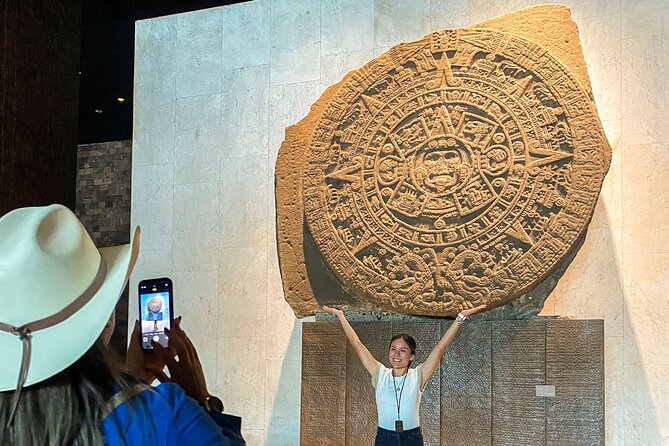
- The Aztec Calendar is only one part of a huge museum: You will also see giant Olmec heads, Maya treasures, tomb reconstructions, and a model of Tenochtitlan.
- A guide adds real value: Many displays have limited English explanation, so historical context can turn impressive objects into understandable ones.
- The group may be larger than expected: The stated maximum is 25 people, and some groups found that size difficult to manage.
- Arrive early and on time: The group may leave without waiting, and one late arrival resulted in a missed tour.
- Morning timing works well: The tour leaves your afternoon open for Chapultepec, the castle, or another Mexico City sight.
- Bring only a small handbag: Food, drinks, and backpacks are not allowed inside.
Why this museum deserves a guided visit
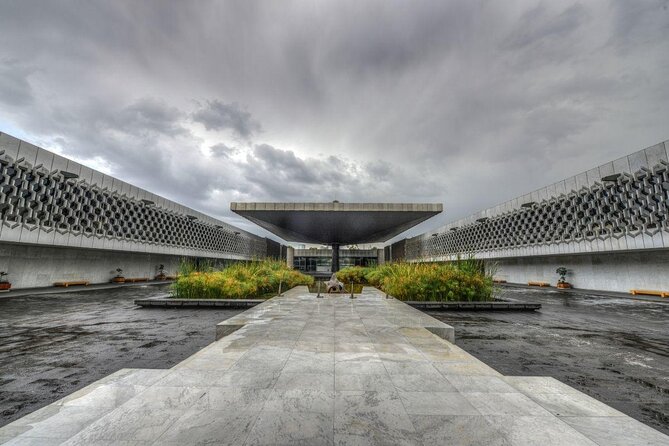
The National Museum of Anthropology is not just a display of old stones and gold objects. It explains how many societies developed across the territory now called Mexico, and how their ideas still shape modern Mexican identity.
The permanent exhibits on the ground floor cover pre-Columbian cultures found in present-day Mexico. They also include cultures from areas that once belonged to Mexico but are now part of the southwestern United States.
That scope creates the museum’s great strength and its main problem. You get a remarkable sweep of time and place, but it is easy to lose the thread. You may move from Teotihuacan to the Maya world, then to the Toltecs or Aztecs, without seeing how the pieces fit together.
I find a guide especially useful here because the museum’s labels do not always provide enough explanation in English. Some signs are translated, but not all. A good guide supplies the timeline, geography, and links between objects that the displays may leave unclear.
The strongest guides use maps, drawings, photographs, and simple comparisons. One guide, Alexa, reportedly used her own photos and drawings to explain how buildings were made. Another, Gibran, brought a binder of visual material to help explain the Aztecs, Maya, and other Indigenous groups.
That kind of teaching matters. You are not merely looking at a carved figure. You are learning what it represented, where it came from, and how it fits into a larger society.
A few more things to do in Mexico City worth a look
- CDMX: Xochimilco, Coyoacan, Frida Kahlo Museum & Murals Tour
★ 4.4 · 3,025 reviews - Chapultepec Castle & Anthropology Museum Tour
★ 4.5 · 1,348 reviews - Frida Kahlo VIP [Museum Tickets Included] Bike, Markets & Churros
★ 5.0 · 1,072 reviews
Starting at the Museo Nacional de Antropología
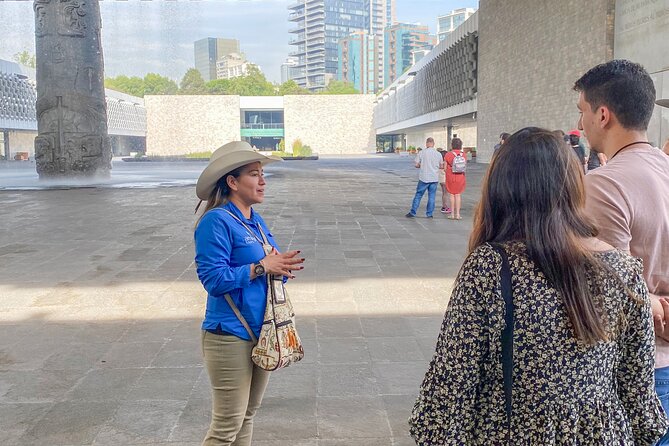
The meeting point is outside the National Museum of Anthropology on Avenida Paseo de la Reforma in the Polanco area, beside Chapultepec Park. You return to the same general meeting point at the end.
The museum is near public transportation, but Mexico City traffic can be slow and unpredictable. I would give yourself extra time, especially for a morning appointment. The tour does not appear to be designed for late arrivals, and the group may already be inside once it leaves.
One important practical detail is the meeting procedure. Some people have found the meeting point confusing, with no obvious sign showing which guide or group to join. You may need to look for the tour representative rather than simply follow the museum entrance line.
Do not get in the ticket queue and assume you are in the right place. The tour operator may need to check your booking and gather the group first. A recent group reported being moved out of the entrance line after realizing they had not yet met their guide.
The tour has a maximum of 25 people. That is not a private tour, and it may not feel small. A group of 10 can be comfortable, while 20 or more people can make it harder to hear, ask questions, and stay close to the guide.
The Stone of the Sun and the Aztec world
The Stone of the Sun, often called the Aztec Calendar, is one of the museum’s best-known objects. It is an imposing stone carving, but its importance is easier to grasp when someone explains the symbols, calendar systems, and ideas about time behind it.
A guide can also place the Aztec world on a map and explain the location of Tenochtitlan. The museum includes a model showing the former Aztec capital and its layout. Modern Mexico City now occupies the central area where that city once stood.
This model is especially useful because the modern city can hide the older one. You are walking through streets and plazas built over a place that was once an island-based capital with causeways, temples, canals, and densely organized neighborhoods.
A strong guide will help you keep Tenochtitlan separate from Teotihuacan. They were not the same city, and they did not belong to the same period. Some groups have found that confusing comparisons between the two made the museum harder to follow, so do not hesitate to ask for a clear timeline and map reference.
The Aztec galleries are also a good place to judge the guide’s method. The best approach is not a nonstop stream of dates. You want a clear explanation of what the object is, what it was used for, and why it mattered.
Olmec heads and the oldest layers of the story
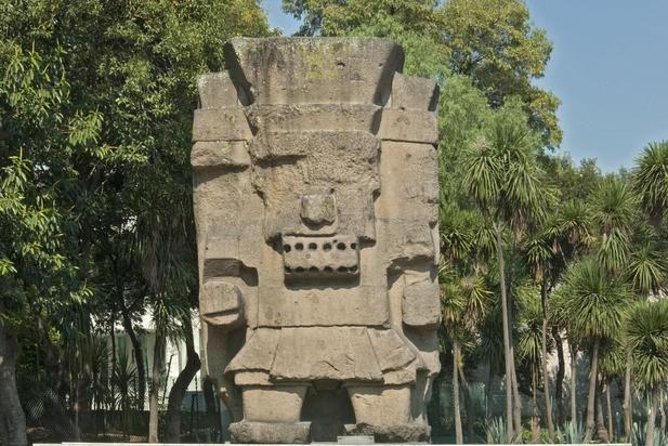
The giant Olmec heads are among the museum’s most memorable sights. These enormous carved stone faces were found in the jungles of Tabasco and Veracruz, and their scale makes them hard to ignore.
The objects are impressive on their own, but the setting raises useful questions. How were such heavy stones moved? What did the facial features mean? What can archaeologists say with confidence, and what remains uncertain?
This is where a skilled guide can make a major difference. The museum presents objects from societies separated by long stretches of time, and a guide can explain what is known without pretending that every mystery has a simple answer.
A guide named Alan received especially strong praise for starting with a broad view of geography before moving into individual cultures. That order makes sense here. You first need a mental map of the region, then a sense of time, before the objects begin to connect.
The museum is not a quick checklist of famous pieces. If your guide gives you time to look around each gallery after an introduction, use it. One group appreciated receiving key information first and then having time to explore each room independently.
Same base, a different sort of day:
- Teotihuacan, Guadalupe Shrine & Tlatelolco Day Tour with Lunch
★ 5.0 · 11,603 reviews - Xochimilco, Coyoacan and Frida Kahlo with Optional Lunch
★ 4.5 · 7,320 reviews - Balloon flight + Breakfast in cave + Pyramids + Pick up CDMX.
★ 5.0 · 6,335 reviews - Teotihuacan pyramids morning or afternoon without tourist traps
★ 5.0 · 6,186 reviews
Maya treasures, tombs, and the Sacred Cenote
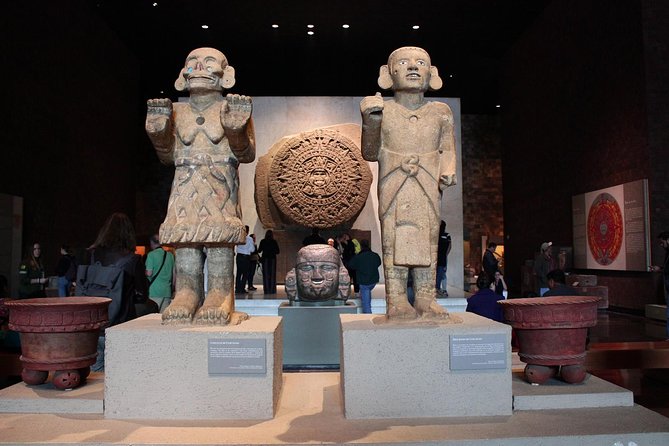
The Maya displays cover an area much larger than the modern borders of Mexico. They connect to sites and regions across the Yucatan and beyond, and they include treasures recovered from the Sacred Cenote at Chichen Itza.
The museum also includes reconstructions of Maya tombs. These are valuable because they show more than isolated objects. They give you a sense of how burial practices, religious beliefs, and social rank were expressed through architecture and possessions.
The Maya galleries can also expose a weak tour. If a guide jumps between the Maya, Aztec, Toltec, and Teotihuacan worlds without a clear structure, you may leave with a pile of facts but no firm understanding of the sequence.
I would listen for three things: the date or period, the location, and the purpose of each object. If those three points are clear, the exhibits become much easier to remember.
The museum also hosts temporary displays, usually about major cultures from other parts of the world. The exact visiting exhibition can change, so do not book this tour for a specific temporary display unless you have confirmed that it is showing during your visit.
What a good guide adds in two and a half hours
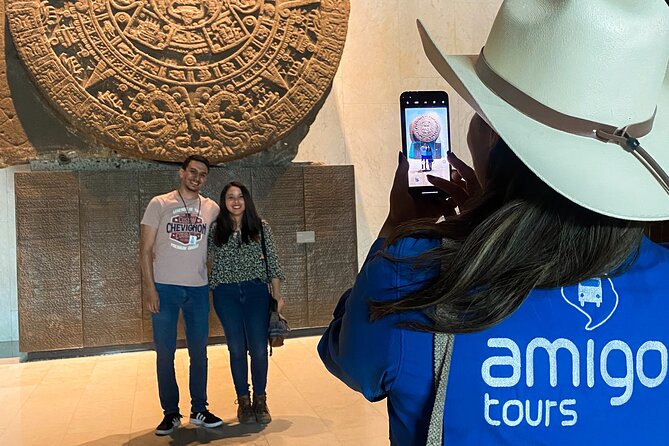
The best part of this experience is not simply getting through the front door. It is having someone select the most important rooms and explain why they matter.
A guide cannot cover every object in this museum in two and a half hours. That is not a fault. The building is too large, and the collection is too broad. The goal should be a strong introduction, not total coverage.
Guides praised by name include Alan, Ligia, Antonio, Leonardo, Lili, Alexa, Gibran, Hector, Genovanna, and Miriam. That does not guarantee who you will receive, but it shows the range of guide experiences attached to this tour.
Alan was praised for building from geography to culture and for extending the tour beyond its scheduled time. Ligia was praised for answering questions and adjusting to the group’s pace. Antonio was described as warm and clear, while Leonardo received praise for linking interesting facts into a coherent route.
That is the kind of guide you want: someone who can explain, pause, answer, and adjust. A guide who talks continuously without checking whether the group is following may cover a lot of ground but deliver less understanding.
Audio equipment is another factor. Some groups found the guide audible and easy to follow, while others reported poor equipment or English that was difficult to understand. If you cannot hear, move closer and raise the problem early rather than waiting until the tour is half over.
The main weaknesses to consider
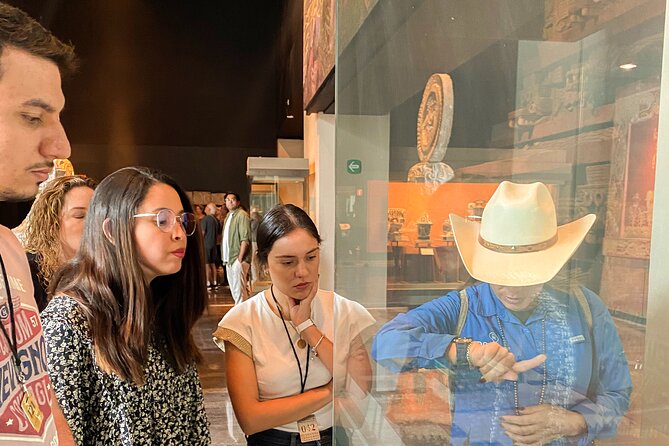
The tour’s biggest weakness is uneven execution. The museum itself is exceptional, but the quality of the morning depends heavily on the guide and the organization at the meeting point.
Several groups had smooth experiences and praised guides for expert explanations. Other groups described waiting, unclear instructions, delayed ticket handling, or a group that felt larger than expected.
English ability is also important. The tour is offered in English, but the quality of spoken English may vary. A guide can know the subject well and still be difficult for some people to follow because of accent, speed, or weak audio.
You should also expect a group experience, not a private conversation. Some people loved having room to explore after the guide’s introduction. Others felt that too much time was spent managing the crowd and too little time explaining the exhibits.
The meeting process deserves care. One group arrived about 10 minutes late, notified the operator, and still could not reconnect with the tour. That may feel harsh, but a museum group cannot always stop once it has entered. In Mexico City traffic, being exactly on time is not cautious enough. Aim to arrive early.
There was also a complaint about a child ticket and confusion over whether a child needed admission. If you are booking for children, check the ticket details carefully and resolve any question before the tour begins.
Is $39 a fair price?
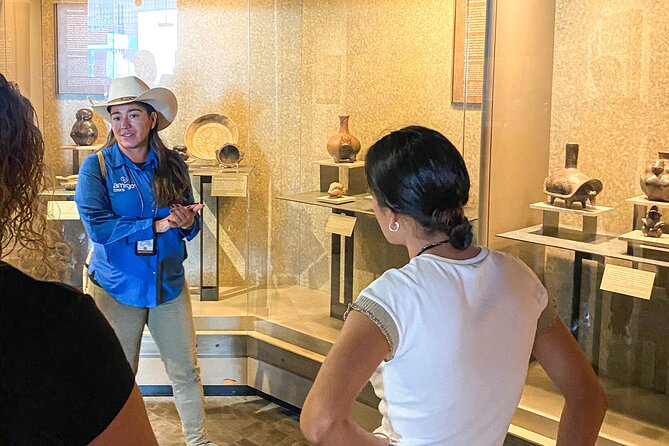
At $39 per person, the price includes museum admission and a professional guide. You do not pay an additional entrance fee at the door, and the morning schedule leaves time for another activity.
The value depends almost entirely on the guide. If you receive a clear, engaging explanation, the price is reasonable for a major museum that can be difficult to understand alone. You are paying for structure, context, and saved time, not just access to the building.
If the guide is hard to understand or the group is poorly managed, the value drops quickly. You may still see the same extraordinary objects, but you could spend much of the tour trying to keep up or waiting for the group to reorganize.
I think the price makes sense for a first visit, especially if you do not read Spanish comfortably or if Mexican archaeology is new to you. It is less compelling for someone who already knows the subject and prefers to move independently.
A useful plan is to treat the guided tour as an introduction. After it ends, you can return to rooms that interested you and spend more time with the displays at your own pace.
Who should book this experience?
This tour suits you if you want a clear starting point for Mexico City’s Indigenous cultures and archaeological sites. It is particularly useful for first-time visitors, families, and anyone who would otherwise feel lost in a very large museum.
It also works well for people who prefer a morning activity. You can use the rest of the day for Chapultepec Park, the castle, another museum, or a meal in the surrounding area.
Families should consider the 2.5-hour length and the possibility of a large group. Children who enjoy stories, maps, and objects may get a lot from the visit, but the tour is not built around child-specific activities.
You may prefer to visit independently if you already understand the history, want to see every gallery, or dislike fixed pacing. The museum does provide enough material for a self-guided visit, though English explanations are not available for every object.
Practical details that matter
The tour is offered in English and confirmation is sent when you book. Most people can participate, and the museum is near public transportation.
Food and drinks are not allowed inside, and backpacks are not permitted. Only a handbag is allowed, so pack lightly and avoid arriving with a day bag that you will need to store.
The experience lasts about two hours and 30 minutes, though some guides have continued longer when time allowed. Since the tour ends back at the meeting point, you can plan your next activity from there.
Free cancellation is available if you cancel at least 24 hours before the start time. Changes or cancellations made inside that window are not accepted for a refund.
Should you book the Anthropology Museum Guided Tour?
I would book it if this is your first visit and you want help making sense of the museum’s enormous collection. The Stone of the Sun, Olmec heads, Maya burial displays, and Tenochtitlan model deserve more than a quick glance, and the right guide can connect them into a memorable story.
I would not book it casually if you cannot tolerate a group of up to 25 people or if you need guaranteed private attention. The tour has produced both excellent and frustrating mornings, so arrive early, confirm the meeting point, and be ready to speak up if you cannot hear.
For the best chance of a good experience, choose the morning departure, arrive well before the meeting time, and treat the tour as a structured introduction rather than a complete visit. At $39, that is a fair exchange when the guide is clear and organized. If you want total freedom, buy admission and explore at your own pace instead.
FAQ
Where does the Anthropology Museum tour start?
The tour starts at the National Museum of Anthropology, located on Avenida Paseo de la Reforma in the Polanco area of Mexico City, beside Chapultepec Park.
Where does the tour end?
The activity ends back at the meeting point.
How long does the guided museum visit last?
The tour lasts approximately two hours and 30 minutes. Some guides may continue longer when time allows.
Is museum admission included?
Yes. The experience includes entrance to the National Museum of Anthropology and the guided tour.
Is the tour offered in English?
Yes. The tour is offered in English.
What are the main exhibits covered?
The museum includes the Stone of the Sun, giant Olmec heads, Maya artifacts and tomb reconstructions, treasures from the Sacred Cenote at Chichen Itza, and a model of Tenochtitlan.
How large can the group be?
The maximum stated group size is 25 travelers.
Can I bring a backpack, food, or drinks?
No. Food, drinks, and backpacks are not allowed inside. Only a handbag is allowed.
Is the museum near public transportation?
Yes. The meeting point is near public transportation.
What happens if I cancel?
You can receive a full refund if you cancel at least 24 hours before the experience start time. Cancellations or changes made less than 24 hours before the start time are not accepted for a refund.
Just added in Mexico City
- From Mexico City: 10-Hour Cuernavaca and Taxco Tour★ 4.0 · 133 reviews
- Mexican Wrestling: Experience Lucha Libre in Mexico City★ 4.0 · 228 reviews
- Tolantongo Caves Hot Springs & Waterfalls Small Group Tour★ 4.5 · 254 reviews
- Cuernavaca and Taxco Tour from Mexico City★ 4.0 · 88 reviews
- A Night of Tacos and Mezcal in Mexico City★ 5.0 · 262 reviews
- Mexico City: Taxco & Cuernavaca Tour with Pre-Hispanic Mine★ 4.6 · 271 reviews
- Mexico City: Tequila and Mezcal Museum Tour with Tasting★ 4.8 · 301 reviews
- Street Food Tour with Friends★ 5.0 · 326 reviews
Museums, compared.
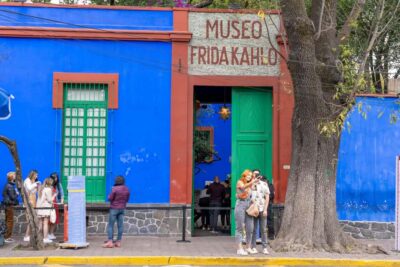
Xochimilco, Coyoacan, Frida Kahlo Museum & Murals Tour
Read our review →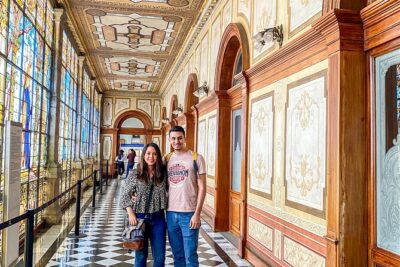
Chapultepec Castle & Anthropology Museum Tour
Read our review →![Frida Kahlo VIP [Museum Tickets Included] Bike, Markets & Churros](https://4.mexicantourreviews.com/wp-content/uploads/frida-kahlo-vip-museum-tickets-included-bike-markets-churros-400x267.jpg)
Frida Kahlo VIP [Museum Tickets Included] Bike, Markets & Churros
Read our review →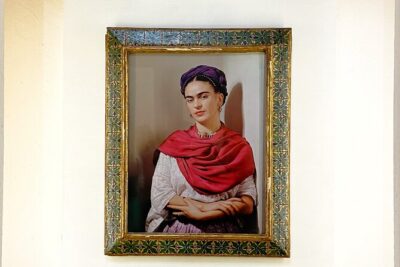
EXCLUSIVE TOUR Frida Kahlo Museum – SMALL GROUPS
Read our review →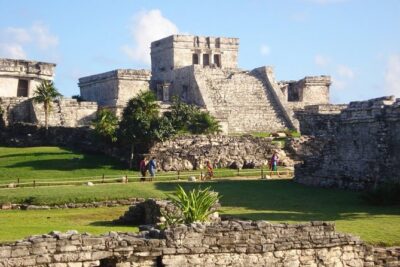
Coba Multun-Ha Cenote Tulum and Mayan Museum Small Group
Read our review →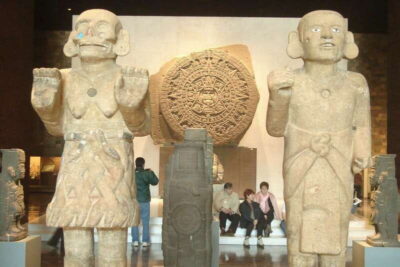
Frida Kahlo Museum Entry Ticket w/Digital Guide
Read our review →
PREMIUM Frida Kahlo Museum and Xochimilco (Small Groups)
Read our review →Browse the lists this tour appears in