
Reviewed · MUSEUMS
Guided Tour of the Museum of Anthropology
Mexico’s past comes into sharp focus inside the Museum of Anthropology, where the Sun Stone, Coatlicue, Olmec Heads, and Mask of Pakal anchor a guided walk through major Mesoamerican cultures. The real strength here is not simply seeing famous objects, but learning how their symbols connect to Mexico you see today.
I like the small group, limited to eight, and the chance to ask questions without shouting across a crowd. I also like the English-speaking federal guides, especially Edith and Hector, who explain symbols and historical context in a way that helps the museum feel connected to modern Mexico. The main consideration is pace: three hours can pass quickly, and a detailed guide may cover only a small part of this very large museum.
Key points
- Famous objects with proper context: See the Sun Stone, Coatlicue, Olmec Heads, and Mask of Pakal while learning what they represent.
- Three hours with a specialist: The tour focuses on Mexican history and Mesoamerican cultures rather than rushing through every room.
- Small group of up to eight: A good setup for questions and conversation with the guide.
- English-language help matters: Much of the museum signage is not translated into English, so the guide adds useful explanation.
- Gardens included: The outdoor areas around the museum form part of the visit, not just a quick walk past the entrance.
- Good value at $38: Museum admission and a federal guide are included, with no food or souvenirs covered.
Why this museum deserves a guided visit
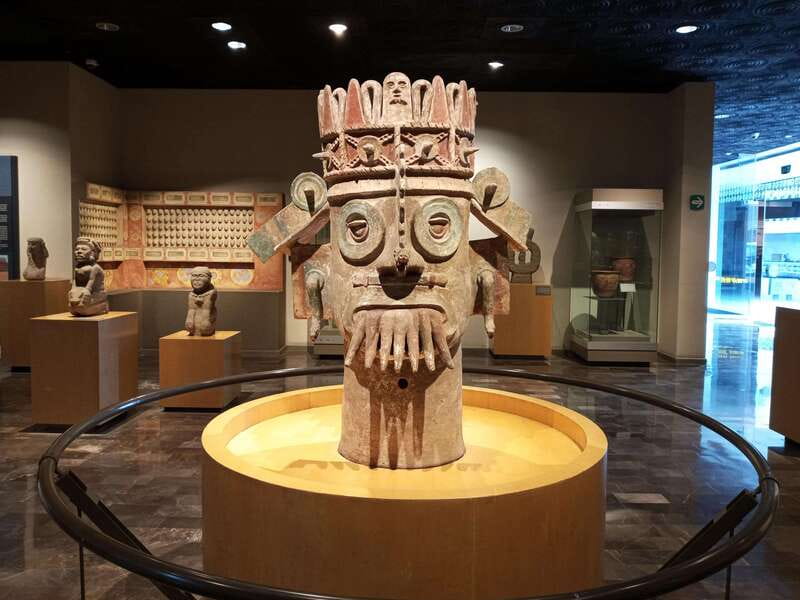
The Museum of Anthropology is not the sort of place you fully understand by walking from display case to display case. It covers major civilizations across Mexico, and many objects carry meanings that are not obvious from their size or appearance.
A carved figure may represent a deity, a ruler, a ritual role, or an idea about the universe. A stone monument may tell you as much about political power and ceremony as it does about art. A guide gives you the thread connecting those pieces.
This is especially useful if you do not speak Spanish. Much of the museum’s signage has little English translation, so a three-hour English tour can save you from guessing at labels or missing the point of an important object. You still see the displays directly, but the guide supplies the explanation that the room text may not provide.
The tour is led by a federal guide specializing in Mexican history and Mesoamerican cultures. Edith and Hector have both led this experience. Edith is praised for her friendly manner, clear explanations, humor, and ability to keep a group moving while answering questions. Hector is known for explaining the meaning of artifacts and the symbolism behind them in detail.
That difference matters. You are not just paying for someone to point at the largest stone in the room. You are paying for a person who can explain why the object matters and how it fits into the wider story.
A few more things to do in Mexico City worth a look
- CDMX: Xochimilco, Coyoacan, Frida Kahlo Museum & Murals Tour
★ 4.4 · 3,025 reviews - Chapultepec Castle & Anthropology Museum Tour
★ 4.5 · 1,348 reviews - Frida Kahlo VIP [Museum Tickets Included] Bike, Markets & Churros
★ 5.0 · 1,072 reviews
Beginning with the museum’s purpose and design
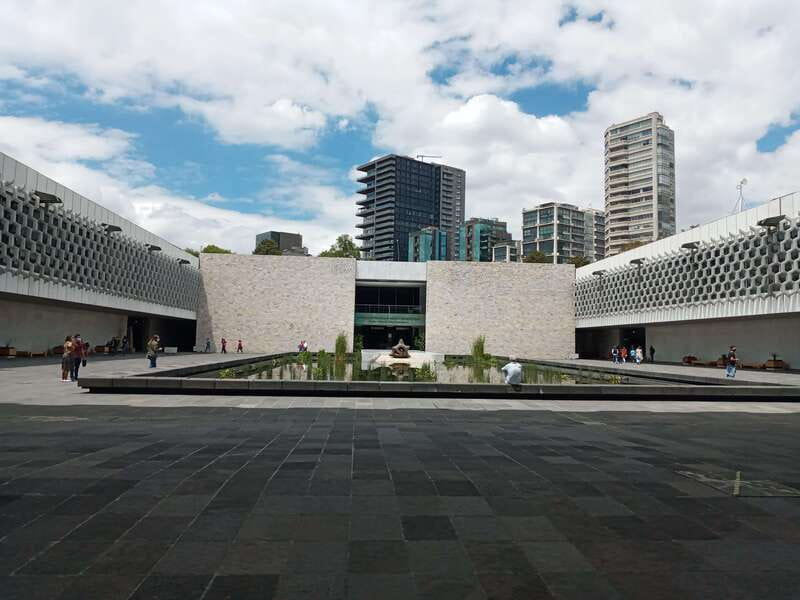
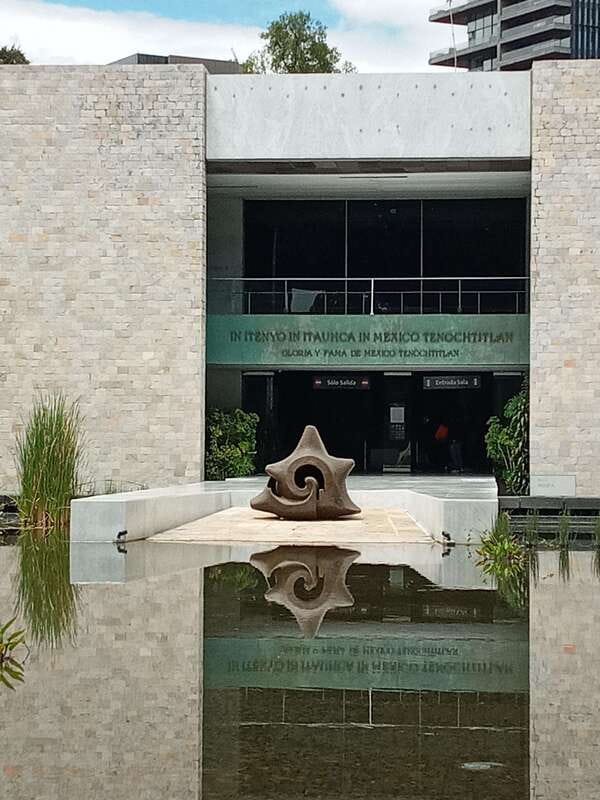
The visit begins at the entrance to the Museum of Anthropology, next to the Mexican flag. From there, the guide discusses the construction of the museum and its purpose before leading you into the exhibition rooms.
That introduction gives the building a role beyond being a container for old objects. The museum is designed to present the cultures that inhabited and continue to shape Mexico. The tour treats the building, galleries, collections, and surrounding gardens as parts of one larger idea.
This opening is useful because it gives you a plan for the next three hours. Instead of wandering without direction, you know you are about to move through selected rooms devoted to Teotihuacan, Mexica, Maya, Toltec, and Gulf cultures.
You should not expect to cover every gallery. The museum has too much material for that in one visit. A guide who explains objects carefully may spend a substantial part of the three hours in a relatively small section. That is a benefit if you want meaning and context, but a limitation if your goal is to see the entire collection.
If you have extra time, plan to stay after the guided visit and explore on your own. Two or more additional hours can give you a chance to see rooms the tour could not reach.
Teotihuacan and the foundations of the visit
The Teotihuacan section introduces one of the major cultures included in the tour. Here, the guide helps place the objects within the larger story of the city and the people who created its monumental works.
The value of this stop is the connection between objects and ideas. You are not simply looking at carved stone or ceremonial material. You are learning how a major civilization expressed authority, religion, social order, and artistic skill.
A guided explanation is particularly helpful in rooms where many objects may look unfamiliar at first. Without context, the collection can feel like a sequence of unrelated artifacts. With the guide, individual pieces become evidence of how people understood their world.
The tour does not promise every Teotihuacan object in the museum. Instead, it selects important examples and uses them to establish the cultural background needed for later rooms.
The Mexica rooms and the Sun Stone
The Mexica section includes one of the museum’s most famous pieces, the Sun Stone. This is the moment many people expect from a first visit, but seeing it with a guide changes the experience.
The stone is visually commanding, yet its meaning is not something you can pick up in a few seconds. The guide explains the symbols and helps you understand the layers of ideas carved into its surface. That context also helps you recognize related imagery elsewhere in Mexico.
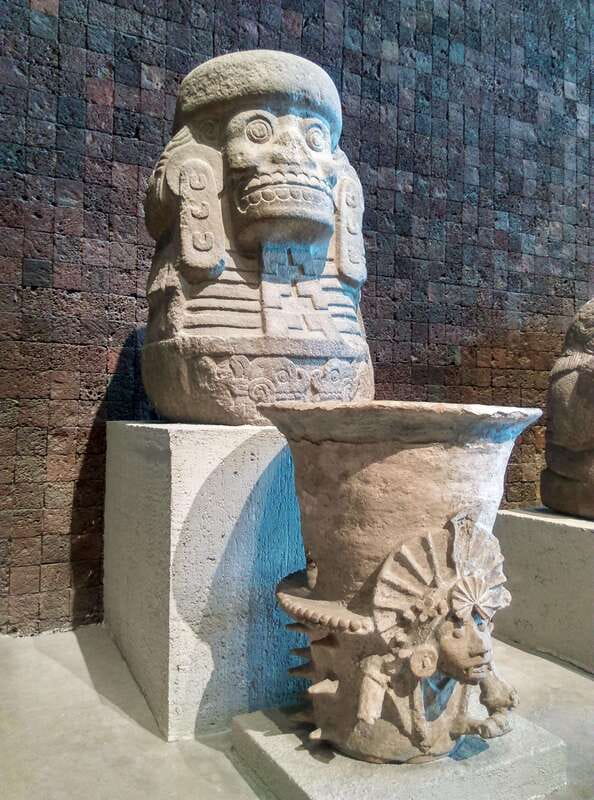
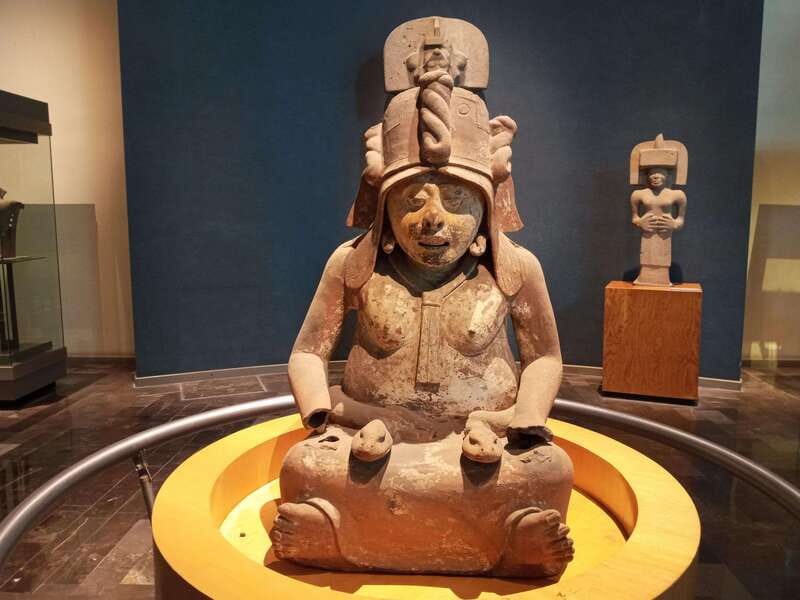
Coatlicue is another major stop. The sculpture can be overwhelming in both size and appearance, and a guide helps explain its symbolism rather than leaving you with a quick label and a dramatic impression.
This is where the tour’s focus on symbols becomes especially useful. Afterward, you may begin to notice familiar forms and images in other parts of Mexico. One participant specifically found that the museum lessons made it easier to recognize symbols throughout the country.
The Mexica rooms can be a highlight for first-time visitors, but they also show why this tour is not a quick photo stop. The central pieces deserve time, and questions can lead to longer explanations. If you prefer a fast circuit, you may find the pace slow. If you enjoy understanding what you see, the extra minutes are well spent.
Same base, a different sort of day:
- Teotihuacan, Guadalupe Shrine & Tlatelolco Day Tour with Lunch
★ 5.0 · 11,603 reviews - Xochimilco, Coyoacan and Frida Kahlo with Optional Lunch
★ 4.5 · 7,320 reviews - Balloon flight + Breakfast in cave + Pyramids + Pick up CDMX.
★ 5.0 · 6,335 reviews - Teotihuacan pyramids morning or afternoon without tourist traps
★ 5.0 · 6,186 reviews
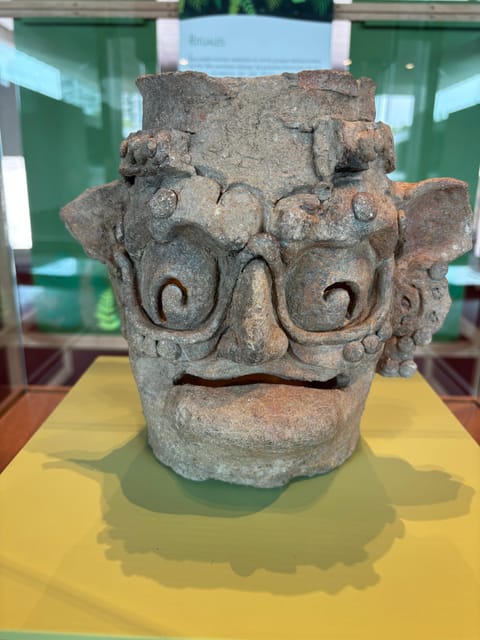
Maya objects and the Mask of Pakal
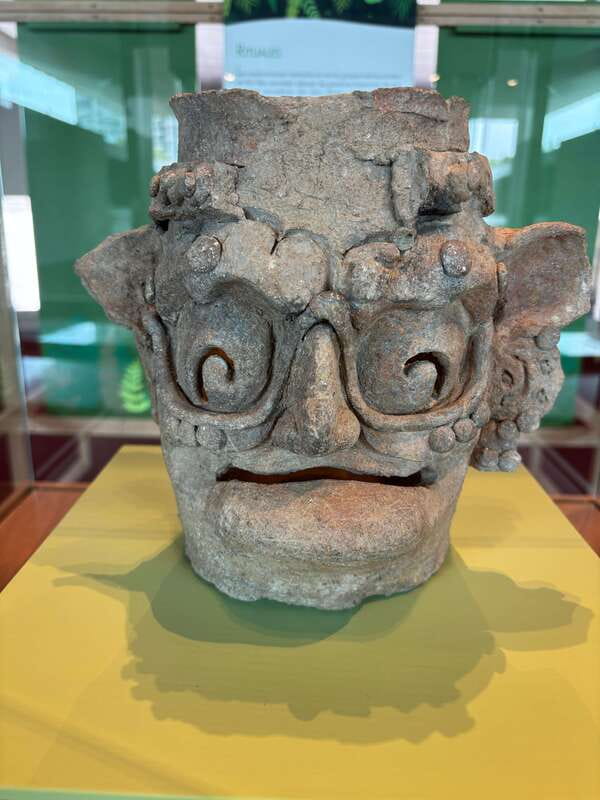
The Maya section brings a different set of traditions, symbols, and historical questions into the tour. The Mask of Pakal is one of the important pieces emphasized during the visit.
A guide can help you look past the object’s visual appeal and consider what it tells you about Maya rulers, beliefs, artistic work, and the way power was presented. You will also have a chance to ask questions about the details that catch your eye.
The Maya rooms are another place where limited English signage can make a guided visit worthwhile. You do not need to know anything in advance, though a little preparation can help you follow the sequence of cultures more easily.
The tour treats these cultures as distinct rather than blending all pre-Hispanic Mexico into one vague story. That is important. Teotihuacan, Mexica, Maya, Toltec, and Gulf cultures developed in different settings and periods, and the guide’s job is to help you see those differences.
Toltec and Gulf cultures
The itinerary also includes the Toltec and Gulf of Mexico cultures. These sections broaden the visit beyond the best-known names and keep the tour from becoming only a greatest-hits walk to the Sun Stone and Mask of Pakal.
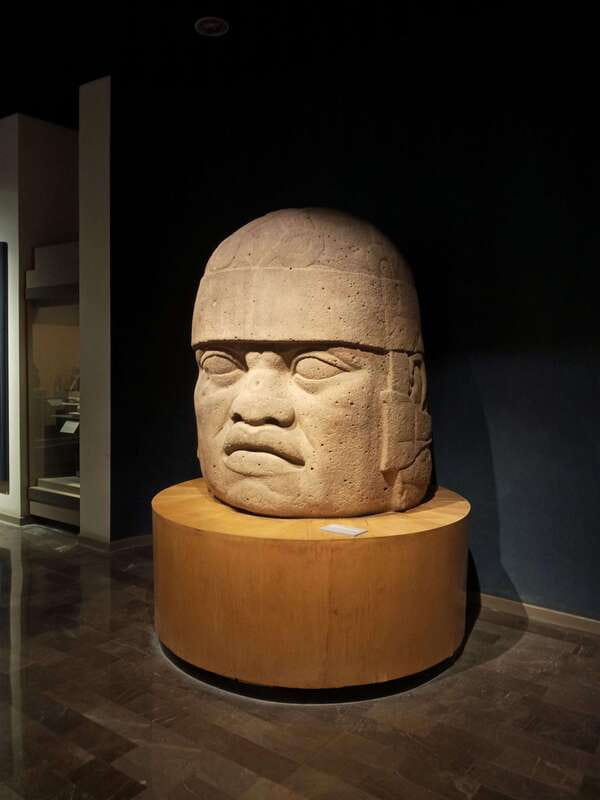
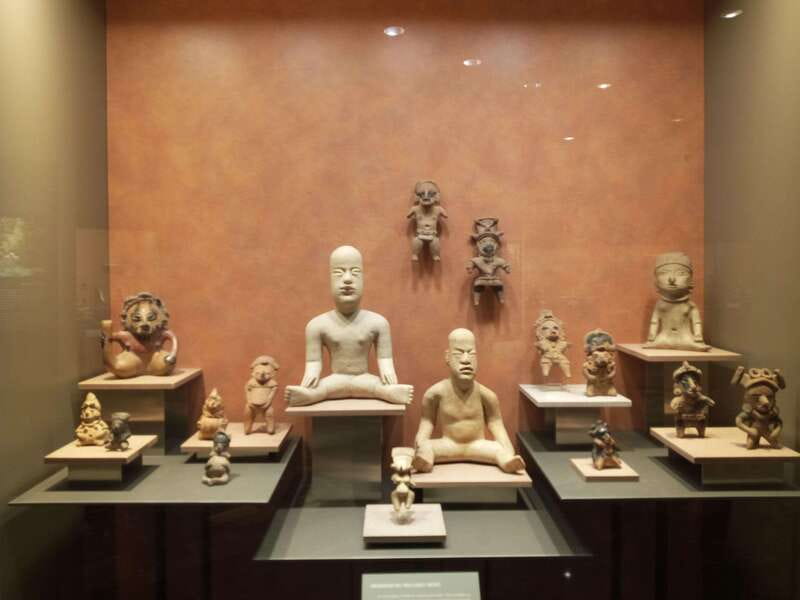
The Gulf area is especially valuable for seeing how varied Mexico’s ancient cultures were. The Olmec Heads are among the signature pieces highlighted here, and their scale makes them hard to miss.
The guide places these objects within the wider development of Mexican civilizations. You can ask about the craftsmanship, symbolism, and historical setting instead of treating the heads as isolated curiosities.
The Toltec material adds another part of the story and helps show how ideas, artistic forms, and traditions developed across time. The museum’s strength is the range of cultures it brings together. The challenge is that range can be hard to absorb in one sitting. Three hours gives you a strong introduction, not total mastery.
The surrounding gardens
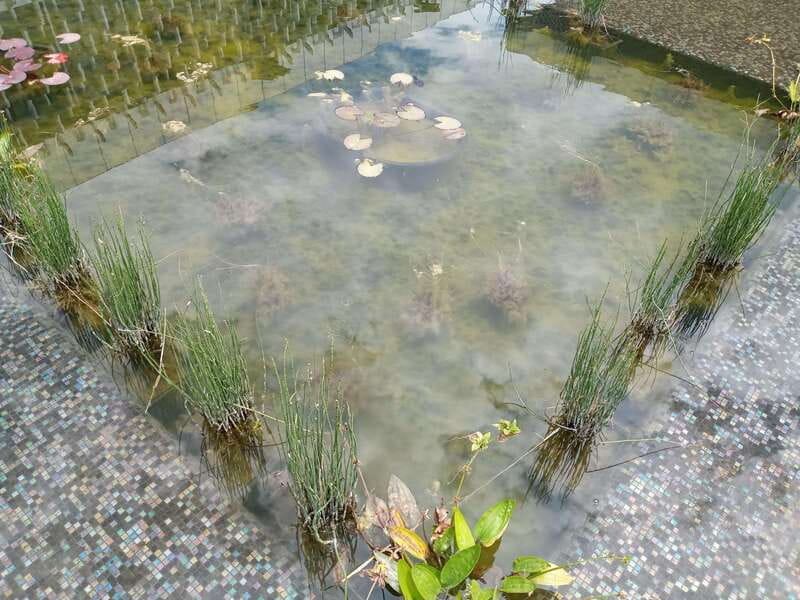
The tour includes the gardens around the museum, which provide a change of pace after several interior rooms. They also complement the exhibitions by giving the building and collections an outdoor setting.
This portion should not be treated as filler. The gardens help create a more complete visit, with space to consider what you have just seen rather than moving directly from one gallery to another.
The exact amount of time outdoors may depend on the guide and the flow of the group, but the gardens are part of the planned experience. If you want only the indoor displays, you may see this as extra time. I find it useful because a long museum visit benefits from a pause and a change in surroundings.
Wear comfortable shoes. Three hours of walking, standing, listening, and stopping at displays can be tiring, and the museum is too large for delicate footwear.
What the guides add to the experience
The strongest feature here is the guide’s command of the subject. Edith is described as friendly, accommodating, and pleasant, with a talent for making a large amount of history manageable. Hector is praised for explaining the symbolism of artifacts and for responding carefully to questions.
Those qualities matter more than a rehearsed speech. A good guide needs to keep the group moving while still allowing room for curiosity. Edith has been praised for using the three hours at an enjoyable pace, while Hector’s detailed explanations have led some visitors to spend extra time in the museum afterward.
You should expect the guide to shape the tour around the group’s questions, within the limits of the schedule. That can make the visit more personal, but it also means the exact balance between rooms may vary.
The group size, capped at eight, is a real advantage. You can hear the guide more easily, ask questions, and stay connected as you move between rooms. It is a better format for a museum than a large group clustered around a flag or umbrella.
Is $38 a fair price?
At $38 per person, the tour sits in a sensible range for a three-hour museum visit with admission and a federal guide included. The price is not just for entry. It pays for focused interpretation in English, a small group, and a route through selected major rooms.
The value is strongest if you are visiting Mexico City for the first time, do not speak Spanish, or want to understand the symbols rather than simply photograph them. It is also a good choice if you have limited museum time and want someone else to choose the most important sections.
The value is weaker if you already know the museum well, prefer to read every label independently, or want to inspect every gallery at your own pace. In that case, a self-guided visit may give you more freedom, though you will miss the organized explanation and the chance to ask a specialist direct questions.
Food and beverages are not included, and souvenirs are extra. If you want to continue exploring after the tour, the museum dining room can be useful. Lunch is not available until 1 pm, so plan around that if you hope to eat there. A late breakfast was found to be a good way to recharge before spending more time in the museum independently.
Who should book this three-hour tour?
I would choose this tour for a first visit to Mexico City’s Museum of Anthropology, especially if you want historical context without spending hours preparing beforehand.
It suits:
- First-time museum visitors
- English-speaking visitors who want help with limited English signage
- People interested in Mexican history and Mesoamerican cultures
- Travelers who prefer a small group rather than a large guided crowd
- Visitors who enjoy asking questions about symbols and artifacts
- Anyone with three hours for a focused introduction and more time afterward
It may not suit you if you want a complete room-by-room visit in one session. The museum is too large for that, and a detailed guide may spend much of the tour on selected objects.
Morning and afternoon departures are usually available. You can cancel up to 24 hours in advance for a full refund, and the reserve-now, pay-later option lets you hold a place without paying immediately. Those terms are useful if your Mexico City plans are still changing.
Should you book it?
Book this guided visit if you want the Museum of Anthropology to make sense, not just look impressive. The combination of the Sun Stone, Coatlicue, Olmec Heads, Mask of Pakal, and major cultural rooms gives you a strong introduction, while Edith or Hector can add the symbolism and historical links that labels often leave out.
Allow extra time after the three-hour tour if you want to explore more of the museum. Go in comfortable shoes, arrive at the entrance beside the Mexican flag, and bring questions. At $38, this is a good-value choice for an informed, small-group introduction, with the only real tradeoff being that careful explanation means you will see fewer rooms.
FAQ
How long is the Museum of Anthropology guided tour?
The guided visit lasts three hours.
What is included in the $38 price?
The price includes entrance to the Museum of Anthropology and a guided visit with a federal tour guide.
What language is the tour offered in?
The tour is offered in English with a live English-speaking guide.
How large is the group?
The group is limited to eight participants.
Where is the meeting point?
Meet at the entrance to the Museum of Anthropology, next to the Mexican flag.
Can I cancel the tour for a refund?
Yes. You can cancel up to 24 hours in advance for a full refund.
Just added in Mexico City
- Teotihuacan from Mexico City with early access★ 4.7 · 49 reviews
- Teotihuacan Pyramids: Guided Tour with Entry Ticket Included★ 4.1 · 45 reviews
- Teotihuacan Pyramids: Skip-the-Line Ticket★ 3.8 · 98 reviews
- From Mexico City: Puebla and Cholula Day Tour★ 4.2 · 194 reviews
- Nevado De Toluca: Reach the Summit with Professionals★ 4.8 · 250 reviews
- Mexico City: Xochimilco Boat with Guacamole & Premium Drinks★ 4.8 · 32 reviews
- Mexico City: Vegan and Vegetarian Street Food Adventure★ 4.8 · 65 reviews
- Mexico City: Ticket de entrada Museo Memoria y Tolerancia★ 4.8 · 68 reviews
Museums, compared.
Xochimilco, Coyoacan, Frida Kahlo Museum & Murals Tour
Read our review →
Chapultepec Castle & Anthropology Museum Tour
Read our review →
Frida Kahlo VIP [Museum Tickets Included] Bike, Markets & Churros
Read our review →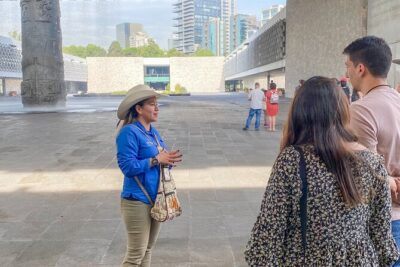
EXCLUSIVE TOUR Frida Kahlo Museum – SMALL GROUPS
Read our review →
Coba Multun-Ha Cenote Tulum and Mayan Museum Small Group
Read our review →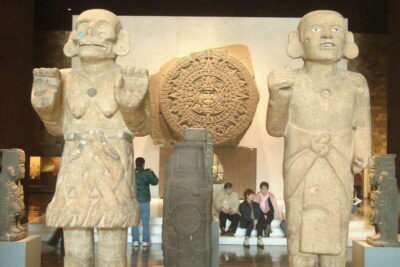
Frida Kahlo Museum Entry Ticket w/Digital Guide
Read our review →Browse the lists this tour appears in