
Reviewed · MUSEUMS
Mexico City: Anthropology Museum Guided Visit
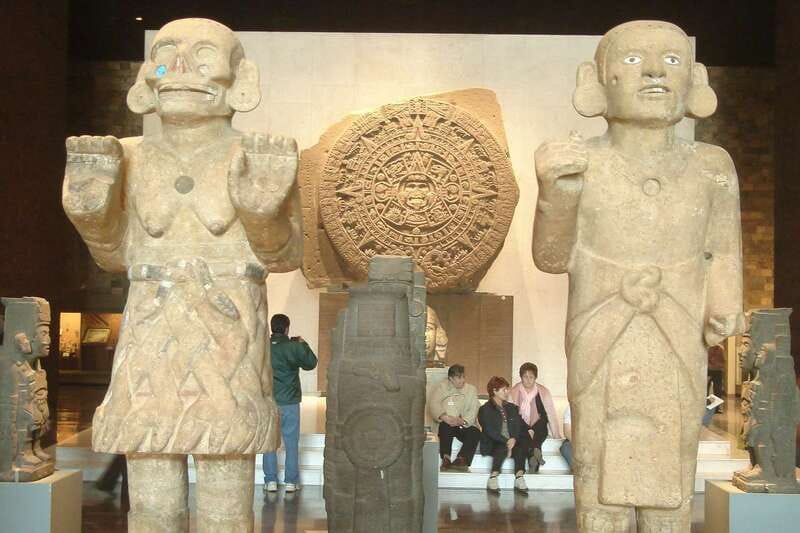
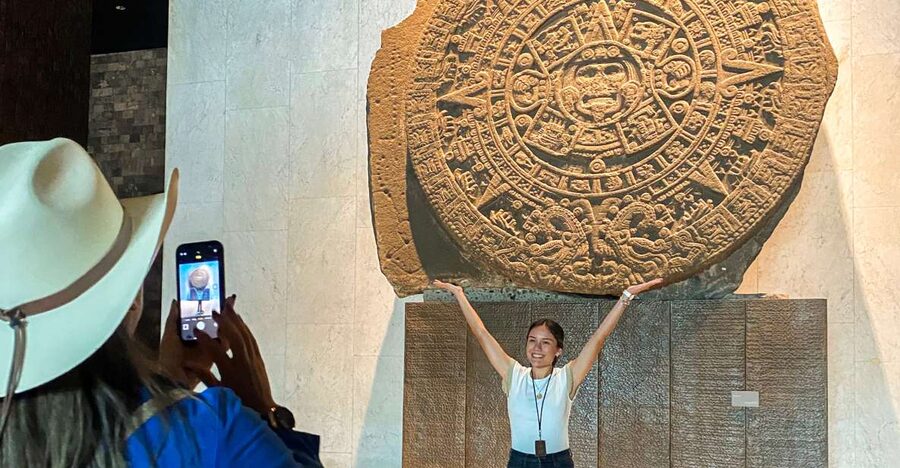
Mexico City’s National Museum of Anthropology is the kind of place that can swallow a whole day before you have made sense of the first room. This guided visit gives you a clear route through thousands of years, from tiny stone spear points used more than 10,000 years ago to the famous Aztec Stone of the Sun.
I like the sensible focus on major objects and the way a good guide connects Mayan, Aztec, Zapotec, and Teotihuacán cultures into one broad story. I also like the free time at the end, since you can return to a display that caught your eye instead of being rushed straight out.
The main drawback is price. At $67 per person, this costs much more than museum admission alone, and the tour can run longer than its advertised 2.5 hours. If you want a quick, low-cost museum visit, go on your own. If you want the history to make sense, the guide earns much of the difference.
Key points at a glance
- A focused route through a huge museum: The guide selects important rooms and objects so you do not spend your first hour simply trying to find your way.
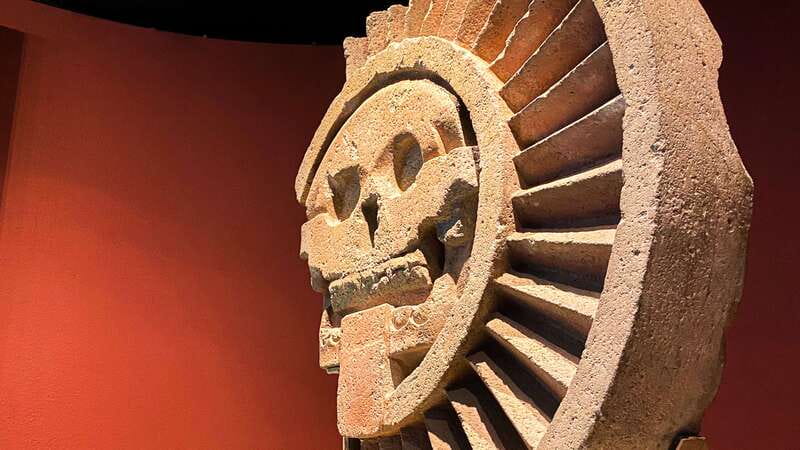
- Small objects get their due: Spear points, clay pieces, and everyday tools help explain how people lived, not just how rulers worshiped.
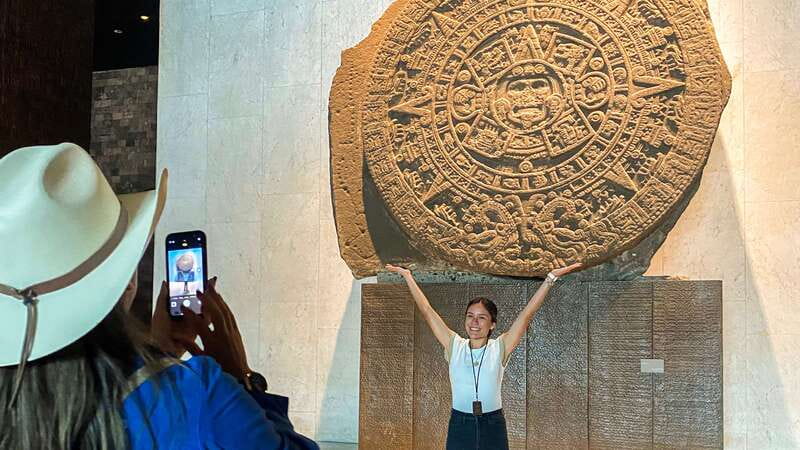
- The Stone of the Sun is a major stop: Your guide explains its symbolism and why its meaning is still debated.
- English and Spanish tours are available: This matters because many exhibit descriptions are in Spanish only.
- Free time follows the guided visit: You can revisit favorite rooms or see sections not covered with the group.
- Private and family options add flexibility: These are useful if you want more questions, a slower pace, or a visit shaped around children.
Why this museum deserves a guided visit
The National Museum of Anthropology is not a small collection that you can casually wander through in an hour. It covers cultures and periods spread across the territory of modern Mexico, with rooms devoted to major archaeological traditions and displays that range from delicate objects to enormous stone monuments.
That scale is both the museum’s strength and its problem. Alone, you may admire beautiful objects without knowing what they are, when they were made, or how they fit into the larger story. A guide supplies the missing structure.
I especially value the way this tour begins with objects that are easy to overlook. A carved monument naturally grabs your attention, but a spear point tells you something just as important. It shows how early hunters made tools, moved through the continent, and adapted to their surroundings more than 10,000 years ago.
The tour also moves beyond the idea that ancient Mexico was only about grand temples and powerful rulers. Simple clay objects could serve daily needs, while other pieces played a part in religious ceremonies. Those contrasts help you picture ordinary life alongside political and sacred life.
A few more things to do in Mexico City worth a look
- CDMX: Xochimilco, Coyoacan, Frida Kahlo Museum & Murals Tour
★ 4.4 · 3,025 reviews - Chapultepec Castle & Anthropology Museum Tour
★ 4.5 · 1,348 reviews - Frida Kahlo VIP [Museum Tickets Included] Bike, Markets & Churros
★ 5.0 · 1,072 reviews
Meeting at the museum’s flagpole
You meet your guide at 8:50 am by the flagpole next to the museum’s main entrance. This is a straightforward arrangement, since the tour begins and ends at the museum rather than adding hotel transfers or a city drive.
That also means you must arrange your own way to the museum. Food, drinks, and transportation are not included, so plan around those separately. The early meeting time is useful for getting into the museum before the day feels too crowded, though you should leave enough time to reach the entrance without rushing.
The tour includes admission and skips the ticket line. That is a practical benefit at a major Mexico City attraction, especially when you want to use your limited morning for the collection rather than ticket formalities.
Look for a guide holding the tour identification near the flagpole. Since several guides may be working at the museum, arriving a little early gives you time to confirm you are with the right person.
Following the story from early hunters to major cultures
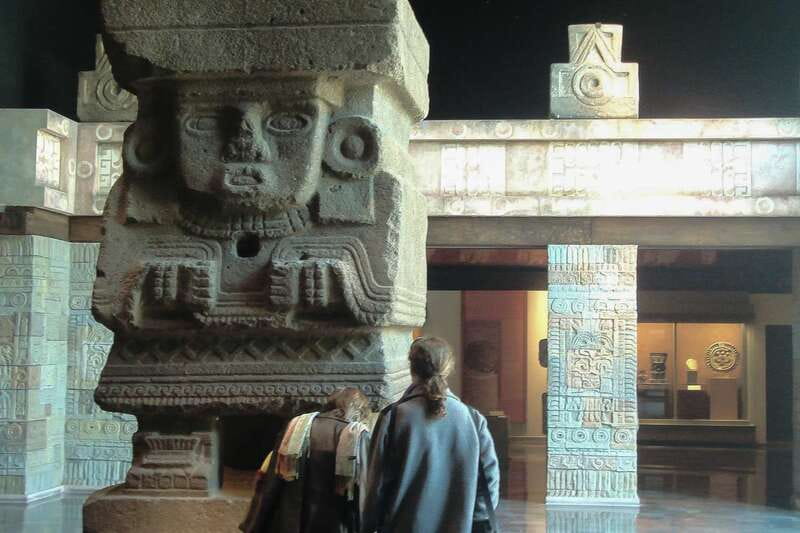
The route is designed as an overview rather than a room-by-room study of every object. In about 2.5 hours, your guide introduces the main cultural periods and points out pieces that help explain how societies changed over time.
The opening material on early hunters provides a useful starting point. Small spear points may seem modest beside monumental sculpture, but they make the past feel practical. You can think about materials, hunting, movement, and survival before turning to the larger civilizations that followed.
From there, the displays help you see how objects served different purposes. Clay pieces might have been used in the home, placed in a ceremony, or created as symbolic objects. Your guide’s job is to explain those differences and keep you from treating every ancient item as decoration.
The tour also addresses the cultures most people associate with Mexican archaeology, including the Maya, Aztec, and Zapotec. Teotihuacán material receives attention as well. The value here is not simply learning a list of dates and names. It is seeing that Mesoamerica contained several cultures with their own traditions, achievements, religious ideas, and political systems.
The best guides make these connections without turning the visit into a lecture. Alan, Leonardo, Giovanna, Lili, Hector, Roberto, Alicia, Antonio, and Alex Gonzales are among the guides singled out for clear explanations, humor, strong pacing, or extra visual material. The exact guide is not guaranteed, but the repeated praise for these qualities tells you what to expect from a strong tour: a chronological route, plain explanations, and room for questions.
The Stone of the Sun and other major objects
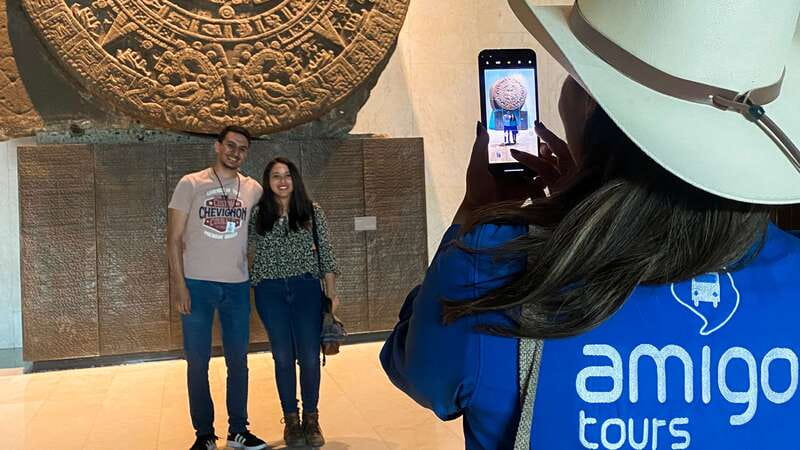
The Aztec calendar stone, commonly called the Stone of the Sun, is the obvious star of the visit. It is an impressive object, but its size alone does not explain its importance. Your guide interprets the symbols and discusses the ways historians have had to reconsider the development of Mesoamerican societies.
This is where a guide can make a real difference. Ancient symbols are easy to misread through modern assumptions. A useful explanation gives you a way to look at the stone rather than just a few facts to repeat afterward.
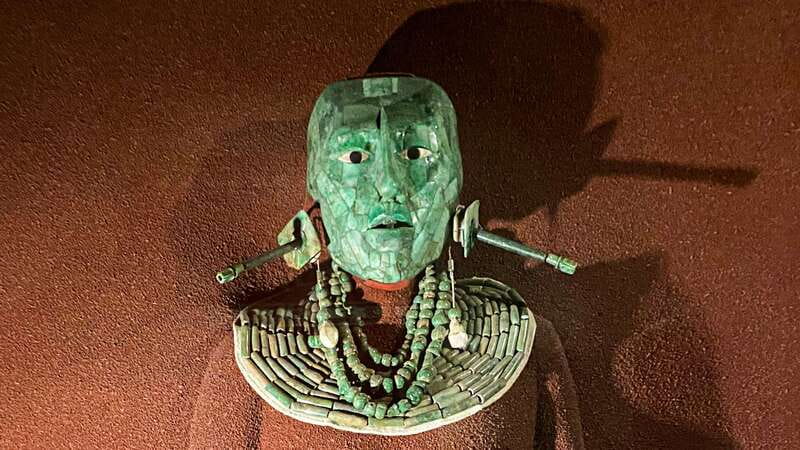
The tour also places famous objects beside less famous ones. That balance matters. If you only see the largest monuments, you leave with a story about kings, gods, and grand public works. When you also see tools, pottery, and small ritual pieces, you get a better sense of how people lived and what they valued.
Some guides point out which objects are originals and which are replicas. That is a helpful distinction, especially in a museum where reproductions may be used to show a site or help you understand how a piece appeared in its original setting. If that detail matters to you, ask about it during the visit.
Same base, a different sort of day:
- Teotihuacan, Guadalupe Shrine & Tlatelolco Day Tour with Lunch
★ 5.0 · 11,603 reviews - Xochimilco, Coyoacan and Frida Kahlo with Optional Lunch
★ 4.5 · 7,320 reviews - Balloon flight + Breakfast in cave + Pyramids + Pick up CDMX.
★ 5.0 · 6,335 reviews - Teotihuacan pyramids morning or afternoon without tourist traps
★ 5.0 · 6,186 reviews
Why English-speaking visitors benefit from a guide
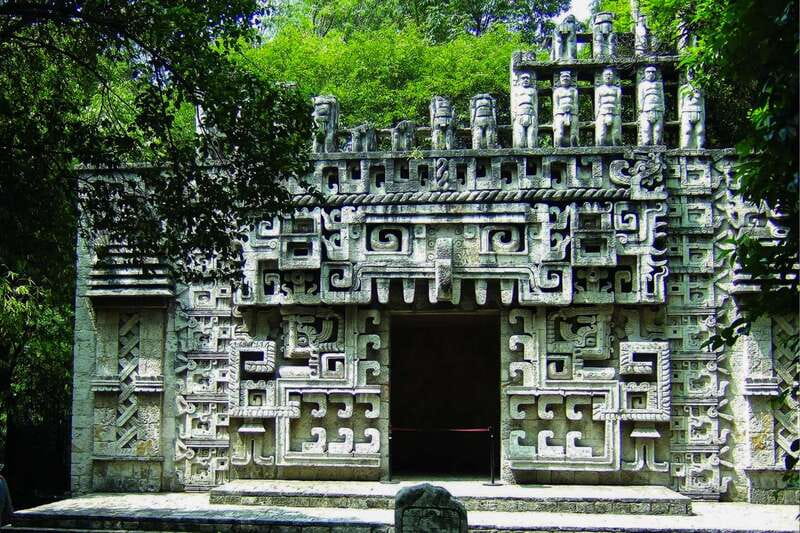
The tour is offered in English or Spanish. For English speakers, the guide is particularly useful because many individual exhibit descriptions are in Spanish only. You can still appreciate the objects without help, but the cultural context becomes harder to follow if you cannot read the labels.
A guide also saves you from translating every panel on your phone. Instead, you can look at the object while hearing why it matters. That keeps your attention on the collection and makes it easier to ask questions as ideas come up.
The strongest guide reports describe clear English, patience, humor, and an ability to keep a complex timeline understandable. Hector is praised for explaining the material in a way that is easy to retain. Lili is noted for combining passion with a well-organized presentation. Roberto is described as patient with questions and, on a private visit, prepared with extra images and information.
Those details matter because the subject can become dense. You will hear many culture names, dates, gods, symbols, and sites in a short period. A guide who keeps returning to the main timeline will help you remember more than someone who simply lists facts.
A 2.5-hour route, with a chance it runs longer
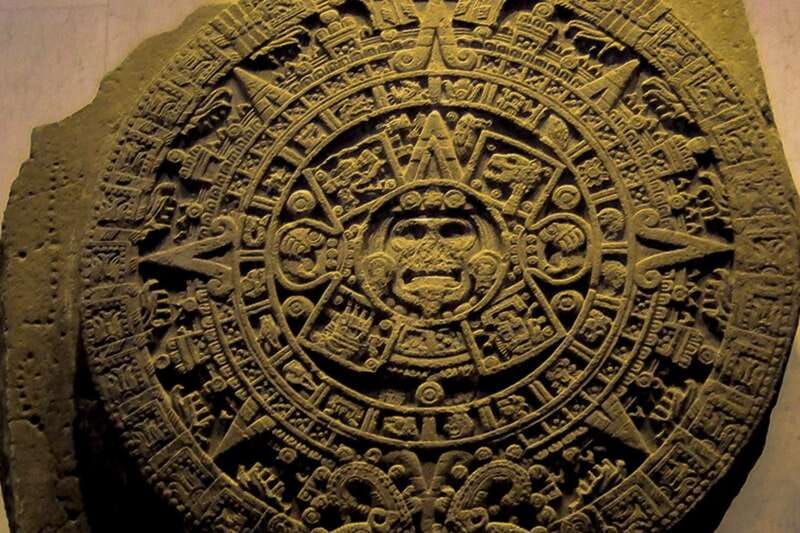
The scheduled visit lasts 2.5 hours and includes walking, guided sightseeing, and free time inside the museum. That is long enough for a strong first introduction, but not long enough to see everything carefully.
You should treat the tour as a highlights route. It gives you the framework, major objects, and key cultural connections. The free time afterward lets you linger, but do not expect to finish every gallery in one morning.
A few people have found that the visit runs closer to three hours, and one reported a tour that lasted almost five hours. That may be welcome if you have no fixed plans, but it can cause trouble if you have a timed lunch, another museum, or a trip to Teotihuacán afterward.
My advice is simple: leave space after the scheduled end. If your guide, such as Alex Gonzales, has extra information to share or the group has many questions, the visit may continue beyond the stated time. You can also tell the guide early if you must leave at a certain hour.
The museum is large enough to justify a return visit. One morning gives you an excellent introduction. A second visit would let you focus on a particular culture or spend more time with the rooms the guided route covers quickly.
Group size, private visits, and family needs
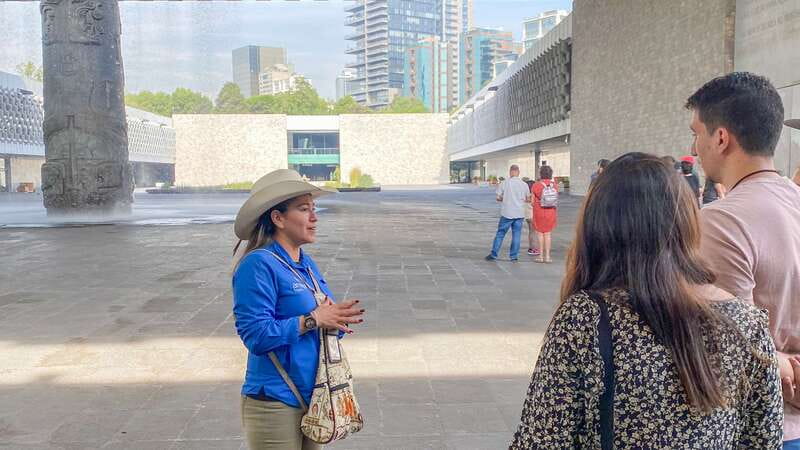
A standard group can include as many as 20 people, according to the available information. That size keeps the price below a fully private tour, but it can make movement and questions less personal.
A large group also explains why the guide must keep a steady pace. You cannot stop for ten minutes at every object without leaving the schedule behind. If you prefer detailed questions and a slower route, the private option is worth considering.
Private tours cost more in principle, but they can be a better fit for someone with a strong interest in archaeology. You can spend longer on the Stone of the Sun, ask about specific cultures, or request extra explanation of objects that catch your attention.
A family tour tailored to your needs is also available when that option is selected. That may help if children need shorter explanations or more breaks, though the details depend on the option you book. The museum’s enormous scale can be tiring, so families should think about attention span and the extra time a longer visit may require.
Is $67 a fair price?
The $67 price includes the guide and museum entrance. It does not include food, drinks, hotel pickup, or transportation. Admission by itself is much cheaper, so the tour is not the budget choice.
The real question is what you want from the museum. If you speak Spanish, enjoy reading labels, and are comfortable choosing your own route, you may prefer to buy admission and explore independently. You will save money and can set your own pace.
If you speak little Spanish, have only one morning, or feel overwhelmed by large museums, the extra cost buys direction and interpretation. It also helps you see why an object matters rather than simply noting its age or material.
I would be more comfortable with the price for a private tour or for someone who places high value on history. For a group of 20, the cost feels less generous, particularly since the basic admission price is far lower. Still, the repeated strength of the guide feedback suggests that the quality of the explanation is the main reason to book.
You can reduce financial risk with the reserve-now, pay-later option. Cancellation is allowed up to 24 hours before the visit for a full refund. Those policies are useful if your Mexico City schedule may change.
Who should book this experience?
I would recommend it to first-time visitors who want a clear introduction to Mexico’s pre-Columbian cultures. It is also a strong choice for English speakers who would otherwise struggle with Spanish-only exhibit text.
History and archaeology fans should consider the private option, especially if you expect many questions. The extra time and personal attention can make more sense than trying to cover the entire museum alone.
This is less suitable if you dislike guided pacing, want to photograph every object at leisure, or need to keep the morning on a strict schedule. The tour can run over time, and the guide’s route will not cover every room in detail.
It also works well early in a Mexico City trip. The visit gives you background that can make later archaeological sites, including Teotihuacán, easier to understand. One guide specifically helped prepare a group for its visit there the next day.
Final verdict: book for meaning, not just admission
Book this tour if you want the National Museum of Anthropology to tell a connected story. The museum’s scale, Spanish-heavy labels, and thousands of objects can make independent exploration feel scattered. A strong guide brings order, explains symbolism, and keeps small tools and everyday pottery as important as famous monuments.
Skip it if your main goal is the lowest possible price or complete freedom to wander. At $67, the tour asks you to pay for interpretation, not just entry.
For most first-time visitors, I think that trade is worthwhile. Choose the private or family option if you want a slower, more personal visit, and leave extra time afterward in case your guide continues beyond the planned 2.5 hours.
FAQ
Where does the tour begin?
Meet your guide at the flagpole beside the main entrance of the National Museum of Anthropology.
What time should I arrive?
The meeting time is 8:50 am.
How long does the guided visit last?
The scheduled duration is 2.5 hours, including the museum visit, guided sightseeing, walking, and free time.
Does the tour include museum admission?
Yes. Entrance to the National Museum of Anthropology is included.
Is transportation included?
No. Hotel pickup, hotel drop-off, and transportation are not included. You meet at the museum and return there after the visit.
Is food or drink included?
No. Food and drinks are not included.
What languages are available?
The live guide is available in English or Spanish.
Is the tour private?
A private group option is available. The standard group may include up to 20 people.
Is there a family-focused option?
Yes. A family tour tailored to your needs is available when that option is selected.
Can I cancel for a refund?
You can cancel up to 24 hours in advance for a full refund. You can also reserve now and pay later.
Just added in Mexico City
- Cuernavaca and Taxco Tour from Mexico City★ 4.0 · 88 reviews
- Mexico City: Taxco & Cuernavaca Tour with Pre-Hispanic Mine★ 4.6 · 271 reviews
- A Night of Tacos and Mezcal in Mexico City★ 5.0 · 262 reviews
- Mexico City: Tequila and Mezcal Museum Tour with Tasting★ 4.8 · 301 reviews
- From Mexico City: 10-Hour Cuernavaca and Taxco Tour★ 4.0 · 133 reviews
- Mexican Wrestling: Experience Lucha Libre in Mexico City★ 4.0 · 228 reviews
- Tolantongo Caves Hot Springs & Waterfalls Small Group Tour★ 4.5 · 254 reviews
- Street Food Tour with Friends★ 5.0 · 326 reviews
Museums, compared.
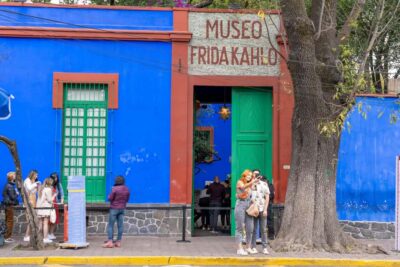
Xochimilco, Coyoacan, Frida Kahlo Museum & Murals Tour
Read our review →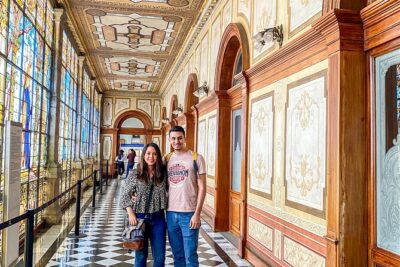
Chapultepec Castle & Anthropology Museum Tour
Read our review →![Frida Kahlo VIP [Museum Tickets Included] Bike, Markets & Churros](https://4.mexicantourreviews.com/wp-content/uploads/frida-kahlo-vip-museum-tickets-included-bike-markets-churros-400x267.jpg)
Frida Kahlo VIP [Museum Tickets Included] Bike, Markets & Churros
Read our review →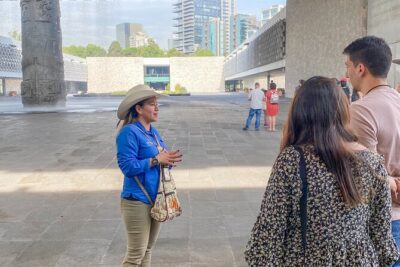
EXCLUSIVE TOUR Frida Kahlo Museum – SMALL GROUPS
Read our review →
Coba Multun-Ha Cenote Tulum and Mayan Museum Small Group
Read our review →
Frida Kahlo Museum Entry Ticket w/Digital Guide
Read our review →
PREMIUM Frida Kahlo Museum and Xochimilco (Small Groups)
Read our review →Browse the lists this tour appears in