
Reviewed · TOURS IN OAXACA CITY
Oaxaca: Oaxacan Mole Workshop with a Traditional Cook
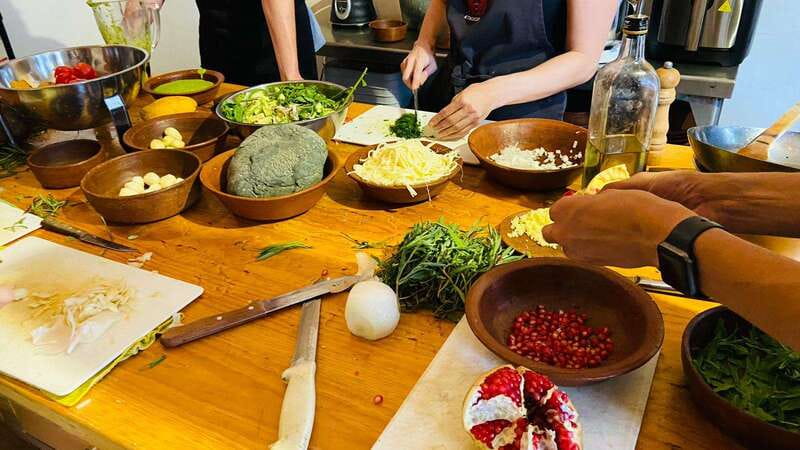
The best part of this Oaxacan mole workshop is that it begins before you reach the kitchen. You walk to a local market, learn about chiles, cacao, herbs, fruit, vegetables, and quesillo, then use what you have seen to cook a shared meal. Victor Ramirez is one of the named hosts, with Quetzalli, Wendy, and Pablo also leading sessions.
I like the market visit because it gives the meal a local setting rather than treating mole as a mystery sauce. I also like the hands-on format: you may press tortillas, prepare quesadillas, chop vegetables, blend salsas, and work through the mole with guidance. The main caution is that the class can feel long, and the exact mole and group size may vary by day.
Key points at a glance
- Market first: Walk from the downtown meeting point to a local market and help choose ingredients.
- Mole is part of a full meal: Expect tortillas, quesadillas, salsa, guacamole or guacachile, vegetables, rice, and sometimes dessert alongside the mole.
- Personal teaching: Victor Ramirez, Quetzalli, Wendy, and other Etnofood instructors explain techniques, ingredients, and Zapotec traditions.
- Small-group promise with some variation: The booking information lists up to four participants, but some sessions have included larger groups.
- Good value at $64: You receive 3.5 hours of instruction, ingredients, a meal, mezcal for adults, and seasonal fruit water.
- Bring sensible shoes: The market walk requires moderate fitness, and the experience is not suited to children under 10 or people with back problems.
From Xicotencatl Street to a Local Market
The meeting point is five blocks from Oaxaca’s Zócalo, at Xicotencatl Street 609 in the downtown district. Look for the Foodlab with the FILOTEO sign and a large dog pictured on the facade. Transportation is not included, so you will need to make your own way there.
The class starts with a walk to a local market. This is not just a quick stop to collect a shopping list. Your guide helps explain the ingredients that give Oaxacan food its character, including chiles, cacao, quesillo, herbs, fruit, and vegetables. You may also taste some local products along the way.
I like this beginning because it gives you a better sense of how the food fits into daily life. You are not simply handed a bowl of ingredients in a polished kitchen. You see the produce, ask what it is, and learn how local cooks choose what to use.
The walking portion does matter. You should wear comfortable shoes and be ready for a moderate amount of walking. The activity is not a good match if you have back problems or a low level of fitness.
Other trips people book in Oaxaca De Juarez:
- Oaxaca de Juarez: Monte Alban Half-Day Tour
★ 4.7 · 492 reviews - Oaxaca: Tule, Mitla & Hierve el Agua, & Mezcal Tour
★ 4.7 · 456 reviews - Oaxaca: Monte Alban Guided Archaeological Tour
★ 4.2 · 419 reviews
Learning What Goes Into Oaxacan Mole
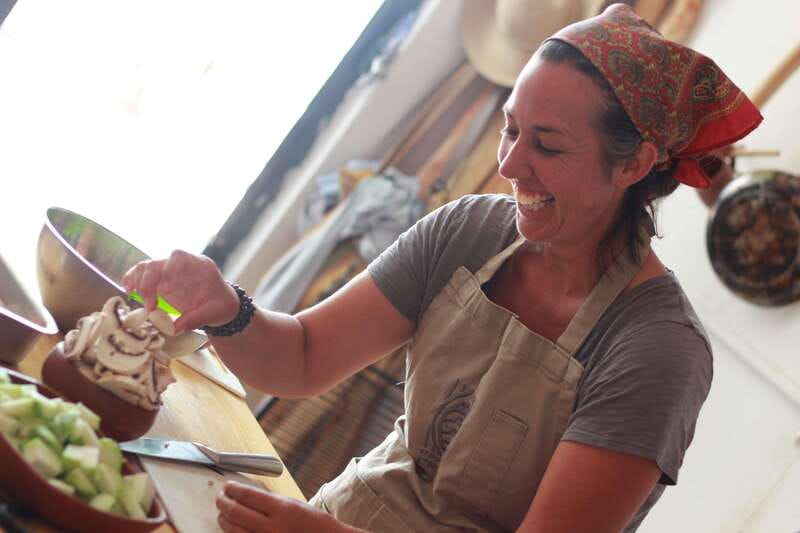
Mole is the star, but this is not a single-recipe lesson in the narrow sense. The instructors explain the flavors, techniques, cultural background, and local products that shape Oaxacan cooking. You may work with chiles, cacao, spices, herbs, vegetables, and other fresh ingredients selected at the market.
A darker mole can involve many ingredients and a long chain of steps. That is part of the appeal, but you should know that the exact preparation can change. One session may focus on a more involved black mole, while another may prepare a green mole that relies more on fresh herbs and vegetables blended together.
That variation is worth keeping in mind when you book. If your main goal is to study complex black mole from start to finish, ask about the planned menu if that option is available. Some participants have found that tortilla and quesadilla preparation took more time than expected, while the mole itself was less elaborate than they had hoped.
Still, the class gives you something useful even if the recipe is not the most demanding version. You learn how ingredients are combined, how flavor is adjusted, and how the finished sauce fits into a larger meal. The instructors encourage questions and offer real-time help, which makes the lesson workable for beginners.
Chopping, Grinding, Pressing, and Cooking
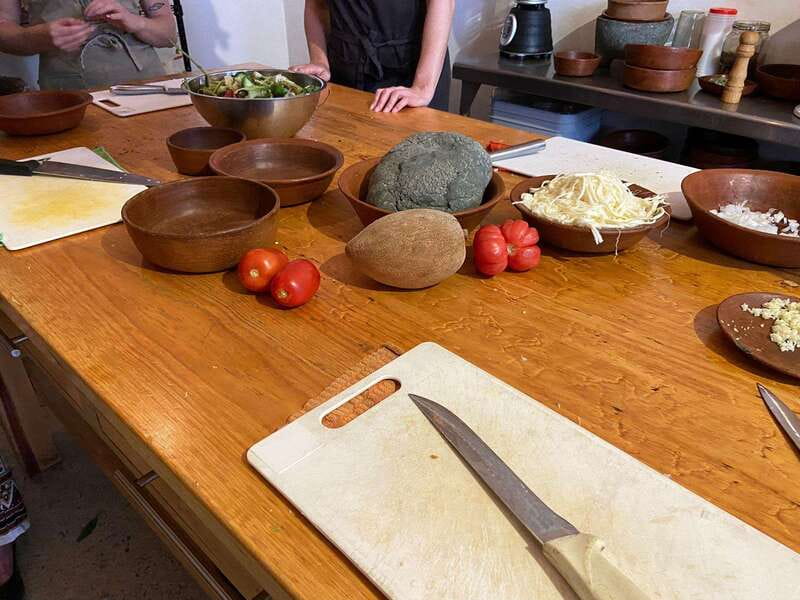
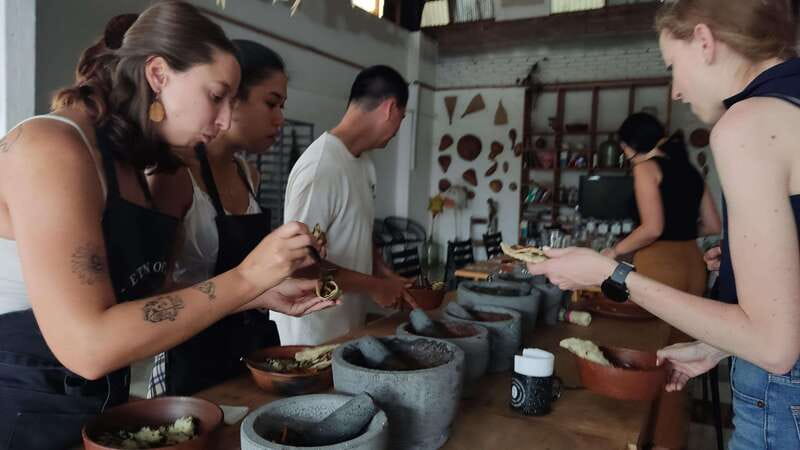
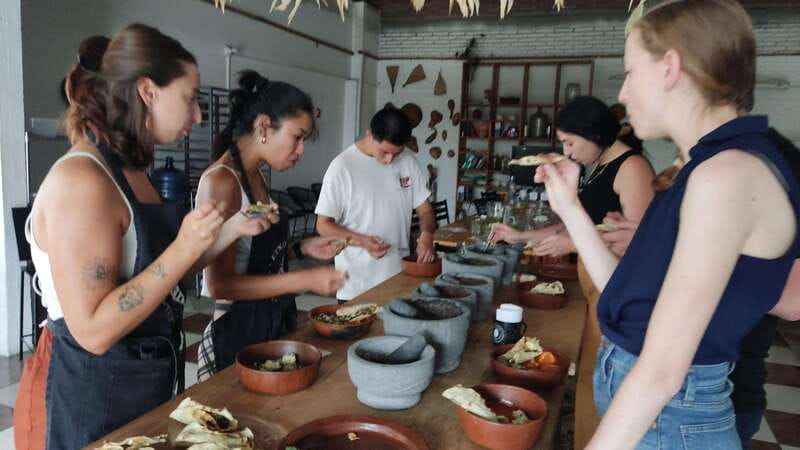
Back at the Foodlab, you move into a clean, modern kitchen. The cooking is active rather than demonstrative. You may clean produce, chop ingredients, toast or fry components, mix sauces, prepare vegetables, press masa into tortillas, and cook quesadillas.
You will not be expected to work alone. The chef assigns tasks and keeps the group moving, while still allowing you to handle the food yourself. That balance is important. A cooking class loses much of its value when the instructor does all the work while you watch.
The group atmosphere is part of the experience. The class brings together people from different countries, and the shared jobs give you an easy way to talk. A smaller group should provide more direct contact with the instructor, though the stated group size has not been identical in every session. The booking details list a limit of four participants, while some classes have had more people, including a group of nine that still worked well.
You may also make several dishes beyond mole. Common additions include salsa, pico de gallo, guacamole or guacachile, tortillas, quesadillas, rice, and prepared vegetables. A typical dessert is included in the description, though the specific dessert is not fixed. A seasonal fruit-flavored water accompanies the meal.
One practical point: this is not a demonstration of old-fashioned cooking in every detail. You may use a blender and modern stove, and the masa may be pressed rather than ground from whole maize. If you want a fully traditional production method at every stage, this class may not meet that expectation. Its strength is the combination of local ingredients, cultural teaching, and active cooking in a modern kitchen.
The Shared Meal Is the Payoff
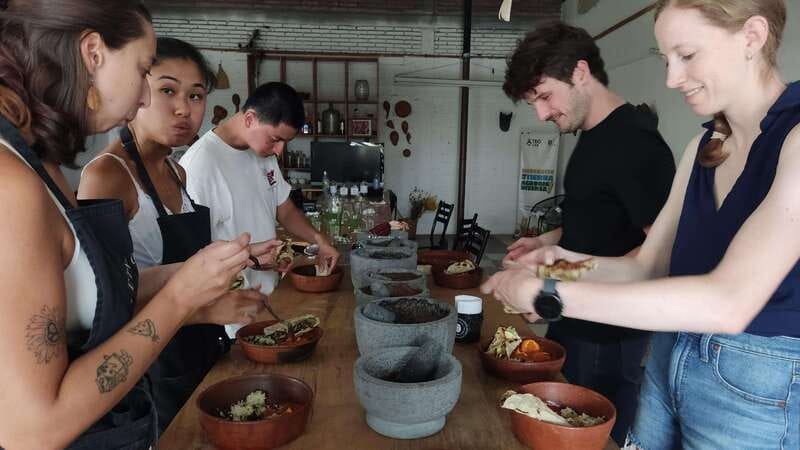
After the cooking, you sit down and eat what the group has made. This turns the class into more than a lesson. You can taste the result while the preparation is still fresh in your mind, and you can see how mole, tortillas, salsa, and other dishes work together.
The food is prepared in generous quantities. That can be pleasant if you arrive hungry, but it may also mean more food than a small group can comfortably eat. One small class prepared enough for six to eight people, so do not expect the portions to be tightly measured for the exact number attending.
For adults, mezcal is included to accompany the mole. Alcohol is not included for children, who are not permitted to join the activity under the stated age rule. The seasonal fruit water gives everyone a nonalcoholic option.
Dietary needs can be accommodated in at least some sessions, but you should communicate restrictions when booking or before the class. The cooking involves many ingredients, and substitutions may affect the menu.
Same base, a different sort of day:
- Check out Hierve el Agua, Mitla, the Tule Tree, Rugs, and a Mezcal Distillery Tour
★ 4.9 · 222 reviews - From Oaxaca: Monte Alban, Alebrijes & Black Clay Day Trip
★ 4.6 · 217 reviews - Oaxaca: Food and Markets Tour
★ 4.9 · 170 reviews - From Oaxaca: Hierve el Agua and Teotitlán del Valle
★ 4.3 · 162 reviews
The Teachers Make the Difference
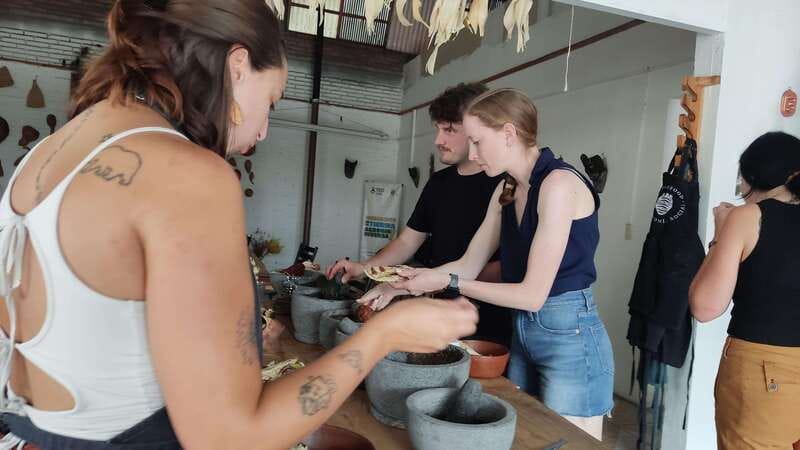
The strongest part of the workshop is the teaching style. Victor Ramirez is frequently named as a warm, funny host who explains ingredients clearly and invites questions. He also connects the food to Zapotec culture, family traditions, and the value of sharing.
Chef Quetzalli and Wendy lead other sessions, and Pablo is also named as an energetic instructor. The exact teacher may depend on the date. Instruction is available in English and Spanish, so you can choose the language that lets you ask the most questions.
The teaching is not limited to cooking mechanics. You may learn why particular products matter locally, how ingredients are named, and how small producers and market sellers fit into the food system. That context adds real value to a class in Oaxaca, where food is closely tied to place and community.
The instructors also make room for first-time cooks. One participant had never cooked before and still found the steps easy to follow. If you are already comfortable in the kitchen, you may want to ask for extra detail about mole technique, roasting, grinding, or ingredient substitutions.
How Authentic Is the Kitchen Experience?
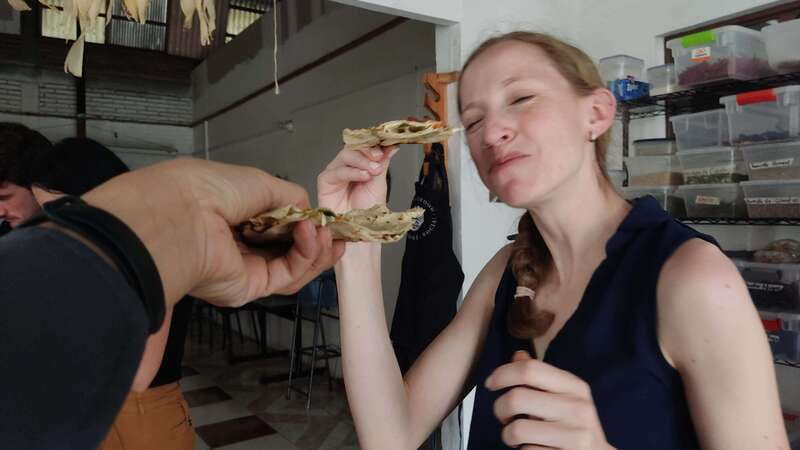
This workshop offers a useful middle ground. The ingredients come from a local market, the recipes are rooted in Oaxacan food, and the instructors connect cooking with Zapotec traditions. You are also cooking in a purpose-built Foodlab with modern equipment.
That setup has advantages. The kitchen is clean, organized, and suitable for a group. You can focus on technique without dealing with a difficult home kitchen or uncertain cooking conditions. The instructors can also keep the class on schedule.
The tradeoff is that the process is not fully rural or old-style. You are not necessarily grinding every ingredient by hand or making masa from whole maize. For most people, that is a fair compromise. You get direct contact with local products and cooking methods without turning the class into an exhausting food-history demonstration.
The market visit helps keep the experience grounded. You learn about quesillo, cacao, local fruits, chiles, and vegetables where they are sold, not only after they have been arranged on a classroom counter.
Is $64 a Fair Price?
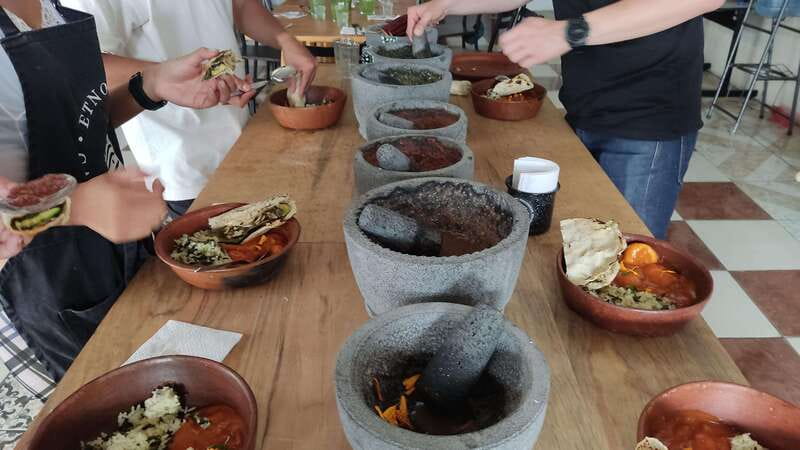
At $64 per person, the price is reasonable for a 3.5-hour experience that includes a market walk, ingredients, instruction, kitchen use, a substantial meal, seasonal fruit water, and mezcal for adults. You are paying for food and teaching, but also for a structured look at local ingredients and culture.
The value is strongest if you want to participate. You are not simply watching a chef prepare a meal. You help shop, chop, blend, cook, shape tortillas, and eat the result. For a visitor who wants a practical introduction to Oaxacan food, that is a good use of half a day.
The value is weaker if you are seeking a highly technical master class focused only on complex black mole. The menu can include many dishes, and the class may devote considerable time to tortillas and quesadillas. Ask about the planned mole if the sauce is your main reason for booking.
Tips for the chef or staff are optional and not included. Additional food and drinks outside the stated inclusions are also your responsibility.
Who Will Enjoy This Most?
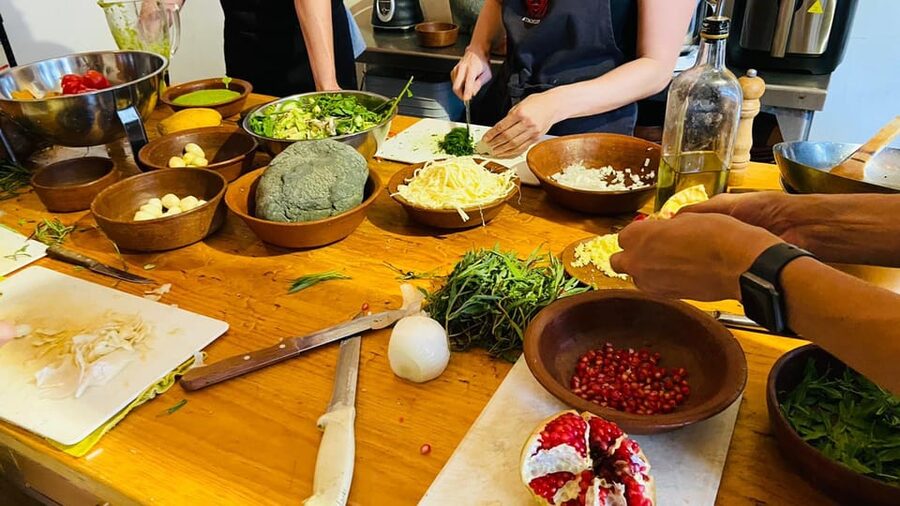
I would recommend this class to curious eaters, first-time visitors to Oaxaca, beginner cooks, and anyone who wants food to serve as a way into local culture. It also suits solo visitors because the small-group format and shared meal make conversation easy.
You should be comfortable walking to the market and spending much of the session standing, chopping, stirring, and preparing food. Comfortable shoes are essential. The activity is not suitable for children under 10, people with back problems, or people with a low level of fitness.
Experienced cooks may still enjoy the class, especially if they ask detailed questions and take an active role. Just keep your expectations flexible. The menu and method may not match the most ambitious version of Oaxacan mole you have imagined.
The class is also a good choice for people who enjoy meeting others. The shared cooking creates a natural social rhythm, and the meal gives the group a reason to sit together at the end rather than scatter after a short demonstration.
Helpful Booking Details for Your Day
The experience lasts 3.5 hours, with starting times based on availability. Live instruction is offered in English and Spanish. Etnofood is the provider.
You can cancel up to 24 hours before the activity for a full refund, and you can reserve now and pay later. Those options help if your Oaxaca plans are still moving around.
The class does not provide transport to or from the meeting point. Plan to arrive at Xicotencatl Street 609, five blocks from the Zócalo, and allow time to identify the FILOTEO sign and Foodlab facade.
Do not bring alcohol or drugs. Alcohol supplied as part of the class is limited to mezcal for participants aged 18 and older.
Should You Book the Mole Workshop?
Book it if you want a friendly, hands-on introduction to Oaxacan food rather than a restaurant meal or a short cooking demonstration. The market visit, local ingredients, tortilla making, shared meal, and cultural stories give you several ways to connect with the city.
I would book with two expectations: the exact mole may vary, and the class may include more than mole. If you want complex black mole above all else, confirm the menu first. If you want to cook, taste, ask questions, and understand why Oaxacan ingredients matter, the $64 price is fair and the workshop is a strong choice.
FAQ
Where does the Oaxacan mole workshop meet?
It meets at Xicotencatl Street 609 in Oaxaca’s downtown district, five blocks from the City Zócalo. Look for the Foodlab with a FILOTEO sign and a large dog on the facade.
How long does the cooking experience last?
The activity lasts 3.5 hours. Starting times depend on availability.
What food will I prepare?
The class focuses on Oaxacan mole and may also include salsa, guacamole or guacachile, tortillas, quesadillas, rice, vegetables, and a typical dessert. The exact menu can vary.
Is mezcal included?
Yes. Mezcal is included for participants aged 18 and older. Seasonal fruit-flavored water is also provided.
Is the workshop available in English?
Yes. Live instruction is available in English and Spanish.
Is the class suitable for children or people with limited fitness?
Children under 10 are not permitted. The experience includes a walk to the market and active kitchen work, so it is not suitable for people with back problems or a low level of fitness. Comfortable shoes are recommended.
Just added in Oaxaca De Juarez
- The Mezcal Journey★ 4.9 · 78 reviews
- Street Art with an artist★ 4.9 · 32 reviews
- Oaxaca: Traditional Oaxacan Cooking Class with Market Visit★ 4.9 · 80 reviews
- Oaxaca: San Martín Tilcajete, Jalieza & Ocotlán Crafts Route★ 4.6 · 48 reviews
- Oaxaca: Vegetarian Cooking Class★ 4.8 · 139 reviews
- Oaxaca: Legends Tour Mezcalbús★ 3.9 · 34 reviews
- Oaxaca: Monte Alban and the Art of Oaxaca★ 4.2 · 99 reviews
- Oaxaca: Monte Albán, Hierve el agua, Mezcal and Teotitlán★ 4.9 · 48 reviews
Tours in Oaxaca City, compared.

Hierve el Agua, Tule Tree, Mitla and Mezcal Distillery Tour
Read our review →
Explore Hierve el Agua, Mitla, Tule, Textile and Mezcal for a day
Read our review →
From Oaxaca de Juarez: Hierve el Agua and Mezcal Distillery
Read our review →
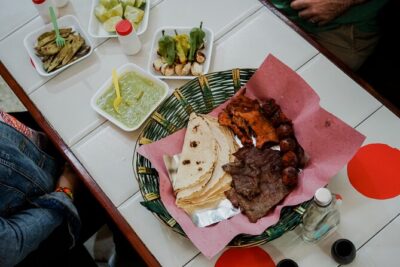
AUTHENTIC OAXACA CULTURAL FOOD TOUR, eat like a local.
Read our review →
Browse the lists this tour appears in