
Reviewed · TURTLE SNORKELING TOURS
Puerto Vallarta: Baby Turtle Release in Conservation Area
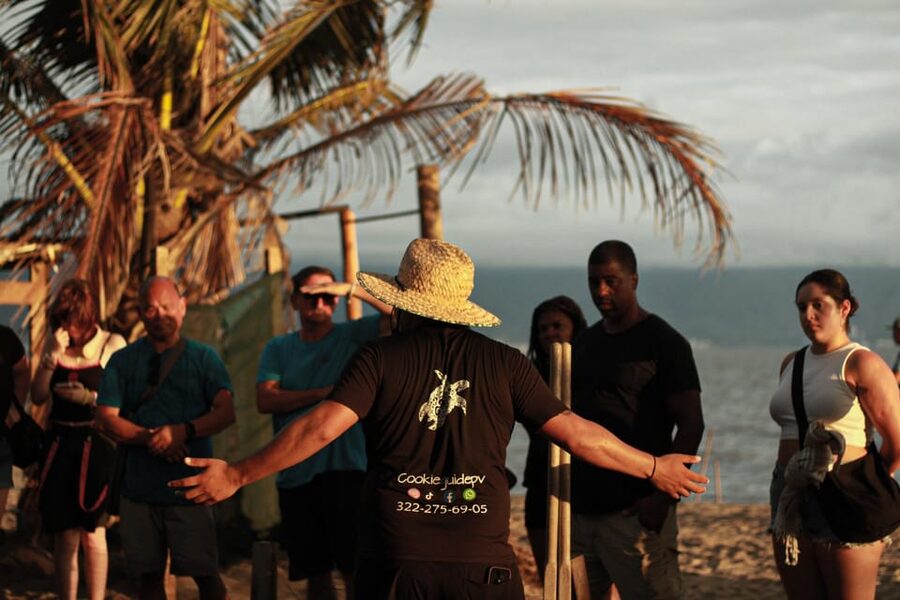
Tiny turtles, a wide Pacific sunset, and a conservation lesson make this one of Puerto Vallarta’s most memorable short excursions. At the beach camp, you’ll learn how workers find nests, collect eggs, and protect them until hatching. Then, if the timing is right, you’ll release a baby olive ridley turtle toward the sea. I especially like the hands-on conservation lesson and the way the sunset gives the final moment a natural sense of occasion.
The main catch is simple: turtles do not follow your booking calendar. If none hatch that day, you’ll need to reschedule or cancel. The meeting point also takes some care to find, and the 15-minute walk to camp is on foot over a beach route, so this is not a good fit for wheelchair users, people with mobility limits, or anyone who struggles with a low-fitness outing.
Key points at a glance
- Baby turtles set the schedule: The release happens only when hatchlings emerge, so a change of date may be needed.
- A real conservation lesson: You’ll see how workers search for nests, collect eggs, and incubate them at the camp.
- A bilingual guide leads the visit: Guides such as Eduardo, Eddie, Carlos, and Tony have led talks in English and Spanish.
- Sunset is part of the experience: The release takes place with views across the bay and the Pacific.
- The meeting point needs attention: Find Cookieguidepv at the end of Paseo Bocanegra, and do not walk to the camp alone.
- The $40 price is reasonable: The fee includes a guide, water, the release experience, a nest and egg demonstration, and photos, though photo arrangements should be confirmed before you assume there is no extra charge.
Why this turtle release feels different from a standard beach outing
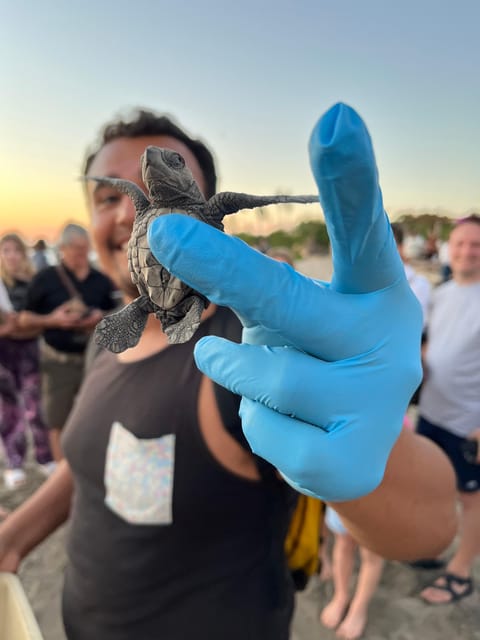
Many Puerto Vallarta activities put you on the water or in the sun. This one asks you to slow down and pay attention to a small, fragile animal beginning its life. You are not simply looking at turtles from a distance. You learn why conservation workers protect the eggs, then take part in the final short scramble from beach to sea.
The olive ridley is the focus here. Your guide explains its life cycle and the risks faced by hatchlings, along with the work done at the local camp to improve their chances. That educational part matters. Without it, the release could feel like a cute photo opportunity. With it, you understand why the camp collects and incubates eggs instead of leaving every nest exposed on the beach.
The mood is also unusually personal. People often name a turtle, make a wish, or say a short prayer before setting it down. You should not expect a long encounter with the animal. The point is to handle the hatchling briefly and let it head toward the ocean as quickly and safely as possible.
More places to swim with turtles near Puerto Vallarta:
- Half-Day Sea Turtle and Cenote Snorkeling Tour from Cancun & Riviera Maya
★ 5.0 · 2,039 reviews - Tulum Ruins, Turtles in Akumal and Cenote tour
★ 5.0 · 1,706 reviews - 5-in-1 Cancun Snorkeling: Turtles, Reef, Musa, Shipwreck, Cenote
★ 4.5 · 1,678 reviews
Meeting at Paseo Bocanegra, then walking to camp
The tour begins at Cookieguidepv, the local guide and nature-experience meeting point. The access route is at the end of Paseo Bocanegra, reached through Marina Vallarta by taking Albatros Street until it crosses Paseo Bocanegra. Continue straight until you see a golf course, a wall with drawings, and the beach at the end.
This is one part of the outing where you should not wing it. The meeting area is somewhat out of the way, so read the directions carefully and allow time to get your bearings. If you arrive early, wait at the meeting point. Do not walk to the campground alone.
From there, you walk about 15 minutes to the conservation area. The route is part of the experience, but it also explains the accessibility warnings. This is not a vehicle-based tour with a paved path to the camp. People with mobility impairments, wheelchair users, and anyone with a low level of fitness should choose another activity.
The exact group size can vary. One especially large group had about 20 people, and the guide was able to speak in both English and Spanish. If you prefer a very private lesson, this may feel more like a shared group activity. The benefit is that the anticipation builds as everyone reaches the beach together.
Inside the conservation camp: eggs, nests, and timing
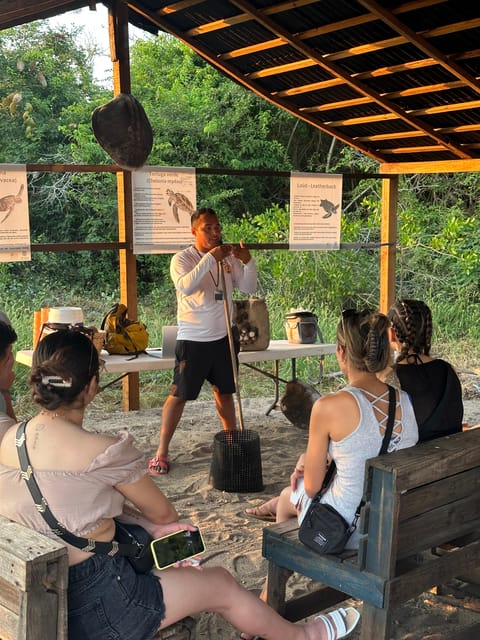
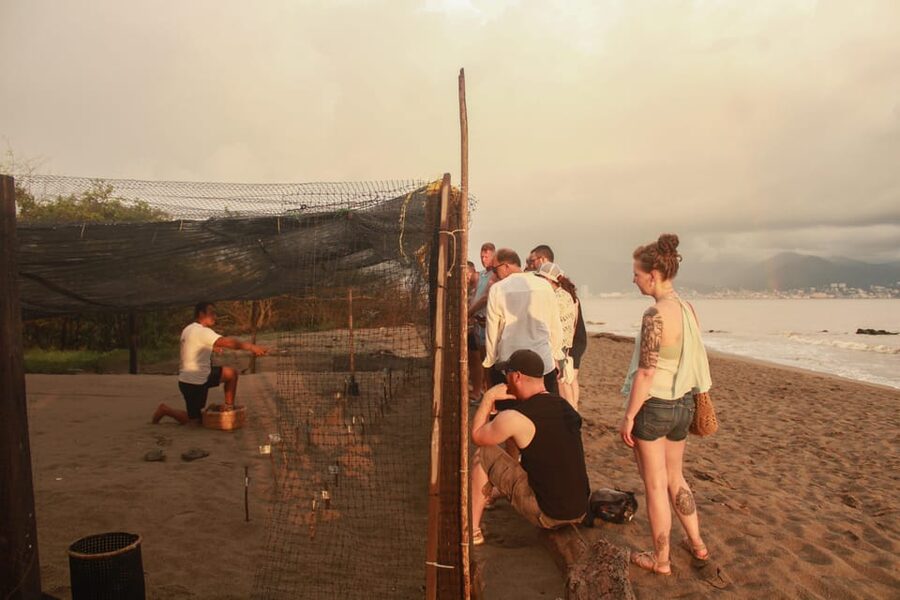
The main camp visit lasts about 45 minutes. Here, the guide explains how conservation workers search for nests and gather eggs for protection. You’ll see a demonstration of nest and egg collection, followed by an explanation of how the eggs are incubated until they hatch.
This is the part I would pay close attention to. The release is the emotional high point, but the camp work is what gives the activity its purpose. You learn that conservation is not only about putting a hatchling in the water. It also involves finding nests, protecting eggs, monitoring the incubation process, and helping the young turtles reach the sea at the right stage.
Guides including Eduardo, Eddie, Carlos, and Tony have led the talks. Eduardo is especially associated with this experience and has a friendly, energetic way of speaking to a mixed-age group. The tour is offered in English and Spanish, and the guide may move between both languages when the group includes speakers of each.
The information is suitable for families, but the release is not a free-for-all. Children under five can attend without paying, yet they may only watch and cannot participate in the release. Older children can find this especially meaningful because the lesson has a clear payoff: after learning how the eggs are protected, they get to see what the conservation work is trying to save.
Waiting for the hatchlings and watching the bay
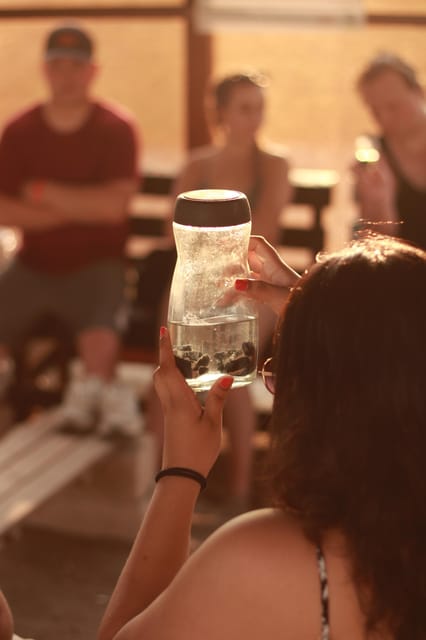
After the camp visit, the schedule includes about 20 minutes of wildlife viewing. The timing depends on nature. If turtles have hatched, you’ll see the hatchlings before the release. If no turtles emerge on your date, the experience changes.
That uncertainty is the central consideration when booking. The provider allows you to reschedule or cancel if no turtles hatch on the day of your reservation. I recommend scheduling this early in your Puerto Vallarta stay rather than on your final evening. That gives you a better chance of moving the activity if the turtles are not ready.
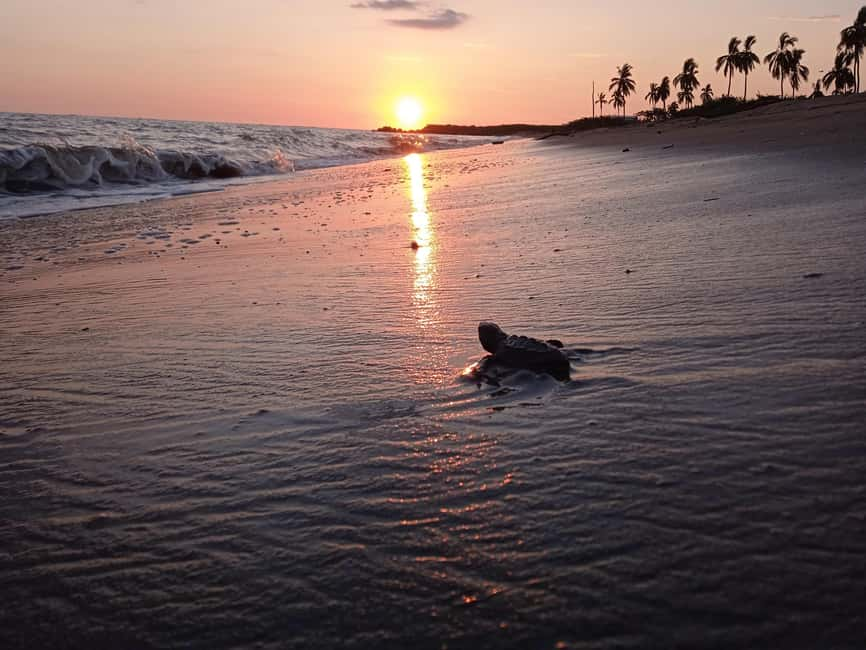
The sunset is not a minor extra. It gives you time to enjoy the bay while waiting for the release, and the changing light makes the beach feel calm and spacious. The ocean view also gives the activity a clear ending: the turtles are not being displayed for long, they are being sent toward their natural home.
Conditions can vary. One outing took place during a storm, though the rain passed and the group still saw the sunset. Another day was wet enough that rain gear was provided. You should still bring comfortable clothing and be ready for changing weather. Biodegradable sunscreen and insect repellent are specifically recommended, and forgetting bug spray can make the waiting period uncomfortable.
Same base, a different sort of day:
- Puerto Vallarta Best Zipline Canopy + Tequila and Speed Boat Ride
★ 5.0 · 3,786 reviews - Winner 2025 Downtown Vallarta Food Tour with Vallarta Food Tours
★ 5.0 · 3,738 reviews - Extreme Adventure, Wildest Bridge, ATV & Ziplines
★ 5.0 · 3,179 reviews - Mega Yacht ALL INCLUSIVE Yelapa Waterfall & Snorkeling Adventure
★ 5.0 · 2,515 reviews
The release: brief, careful, and unforgettable
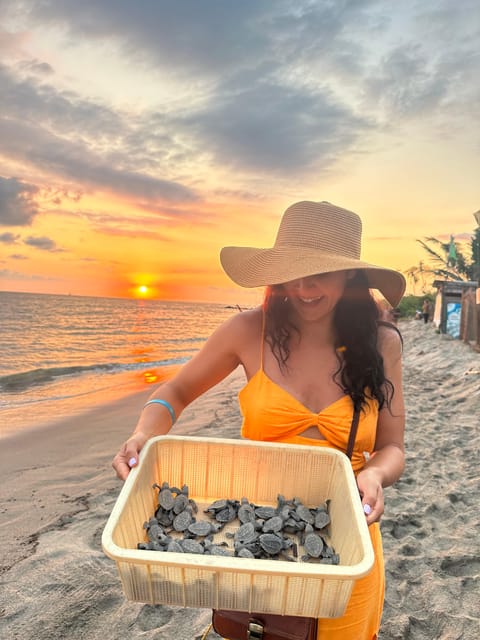
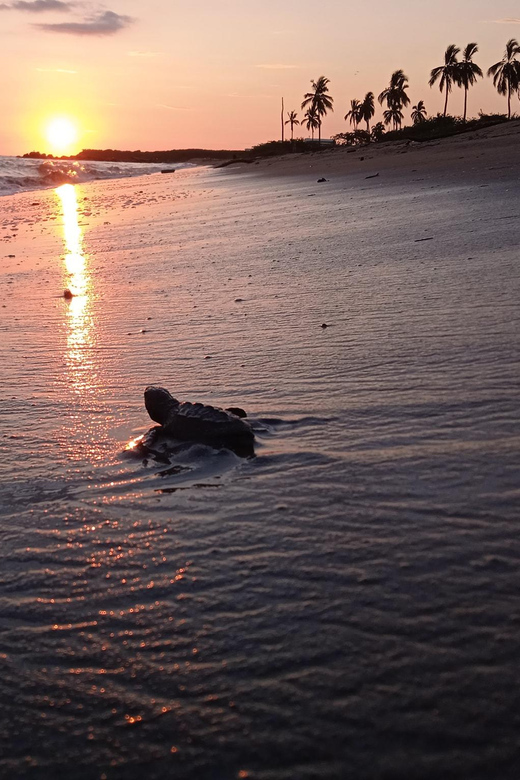
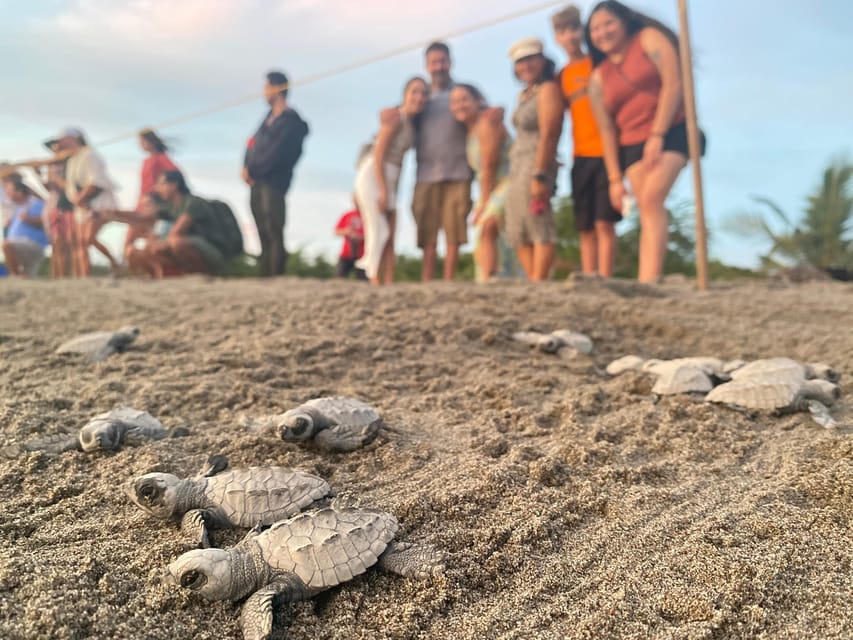
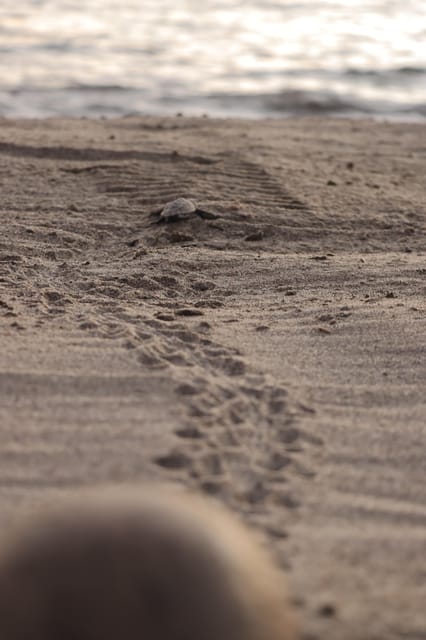
The final walk back toward the beach leads to the release. Each participating person receives a baby turtle and places it on the sand, allowing it to move toward the water. This is a short moment, not an extended animal encounter.
That brevity is a good thing. The hatchlings are endangered, and the purpose is to give them a clean path to the ocean, not to turn them into props. You may want a photo, but you should follow the guide’s instructions and keep handling to a minimum.
A photographer may document the release so you can keep your phone away and stay present. The details about the photographs have varied in practice. Some participants received a link to photos included with the tour, while another was told that keeping the pictures required an extra payment. Ask the guide how the photo arrangement works on your date.
One useful point: do not expect to pose for a long time with the turtle. The special part is watching it crawl across the sand and disappear into the surf. You may make a wish or quietly cheer it on, but the experience works best when the turtle remains the focus.
Is $40 a fair price?
At $40 per person, this is a fairly priced two-and-a-half-hour activity, especially if you value conservation and a guide-led lesson rather than a simple beach visit. The fee includes the guide, turtle release, demonstration of nest and egg collection, water, and photos as part of the stated inclusions.
The value comes from the work behind the scenes. You are paying for local guidance, access to a conservation area, an explanation of egg protection, and a carefully managed release. A portion of the appeal is also the chance to support local turtle conservation efforts, although the exact use of the tour fee is not specified.
There are a few limits. Transportation is not included, so you must arrange your own way to the meeting point and back. You may need an Uber or taxi, and the location is below the area where airplanes take off. The meeting instructions are clear, but this is not a central downtown departure.
The basic price is also not the whole story if you want keepsake photos and they are sold separately on your date. Bring a little extra money only if you are interested in purchasing them, and confirm the arrangement before the release.
Practical details that can make the evening easier
Plan on 2.5 hours from meeting to return. The listed route includes two 15-minute walks, a 45-minute camp visit, and about 20 minutes of wildlife viewing, with the remaining time used for the release, explanations, and sunset.
Wear comfortable clothes and shoes suited to a beach walk. Bring biodegradable sunscreen, insect repellent, and water if you prefer more than the supplied bottle. Do not bring drones, alcohol, or drugs.
Restroom facilities at the camp may be basic. One participant found the portable toilets poorly maintained, with broken doors and no toilet paper. I would use a restroom before arriving and carry tissues as a backup.
The beach itself may not look perfectly polished. A portion of the area has been criticized for litter, which is worth keeping in mind if you expect a spotless resort beach. The conservation work is the focus, not a manicured setting.
Safety at the end is handled with care. The guides have stayed with the group while people arranged transportation, including calling taxis and helping participants leave safely. That is useful because the meeting point is remote compared with Puerto Vallarta’s main hotel areas.
Free cancellation is available up to 24 hours before the activity for a full refund. You can also reserve and pay later, which helps when your plans depend on the turtle hatch schedule. Still, the best practical move is to book early in your trip so a rescheduled date remains possible.
Who should book this experience?
I would recommend it to families with children over five, couples looking for a quiet nature activity, and anyone who wants a more meaningful Puerto Vallarta excursion than a quick photo stop. The combination of conservation education, sunset views, and the release gives the outing a clear purpose from start to finish.
It is also a good choice for visitors who care about animal welfare. The guides focus on protecting the turtles, and the release is managed as a conservation activity rather than a performance. You will learn why the eggs are collected and how the camp helps hatchlings reach the ocean.
I would skip it if you need guaranteed timing, paved access, included transportation, or a polished facility. You should also avoid it if you have serious respiratory issues, animal allergies, high blood pressure, or a low level of fitness, since those are listed health and suitability concerns.
The biggest question is not comfort. It is flexibility. You must accept that nature may cancel the main event on your chosen night. If you can adjust your schedule, that risk is manageable. If you have only one free evening, choose an activity with a guaranteed program instead.
Should you book the Puerto Vallarta turtle release?
Yes, if you can build in a little flexibility. The strongest parts are the clear explanation of conservation work, the passionate bilingual guides, and the chance to release a hatchling at sunset. At $40, it offers a personal nature experience without taking up a full day.
Book earlier in your stay, follow the meeting directions closely, bring insect repellent, and confirm the photo policy. Most of all, remember that a successful conservation experience may mean waiting, rescheduling, or simply learning about the camp without a release. If you can accept that, this is a thoughtful and memorable way to spend an evening in Puerto Vallarta.
FAQ
How long does the turtle release experience last?
The activity lasts about 2.5 hours, including the walks to and from the conservation camp, the camp visit, wildlife viewing, and the release.
Where is the meeting point?
Meet at Cookieguidepv at the end of Paseo Bocanegra. The recommended access is through Marina Vallarta via Albatros Street. Continue until you see a golf course, a wall with drawings, and the beach at the end.
Do I need to arrange transportation?
Yes. Transportation is not included. You must make your own way to the meeting point and arrange your return afterward.
What happens if no turtles hatch on my scheduled date?
You can choose to reschedule or cancel if no turtles hatch that day. Booking earlier in your trip gives you more flexibility if a new date is needed.
Is the tour offered in English?
Yes. Live guides are available in English and Spanish. Guides such as Eduardo have spoken in both languages for mixed groups.
Can children under five participate?
Children under five can attend without paying, but they may only observe the release. They cannot take part in releasing a turtle.
What should I bring?
Bring biodegradable sunscreen, comfortable clothing, and insect repellent. It is also sensible to carry tissues because restroom facilities at the camp may be limited.
Just added in Puerto Vallarta
- Jungle Single ATV Tour “El Mirador”★ 5.0 · 59 reviews
- Bucerias Bike and Food Tour★ 5.0 · 173 reviews
- Sayulita/Punta Mita: Zip Lines with Ocean View★ 4.8 · 34 reviews
- Sayulita: Canopy Tours & Zip-line Adventure★ 4.8 · 89 reviews
- Puerto Vallarta: Yelapa Mega Yacht Cruise★ 4.7 · 180 reviews
- Puerto Vallarta: Mega Yacht Whale Watching Sunset Cruise★ 4.7 · 94 reviews
- Puerto Vallarta Rhythms of the night, Show & Buffet dinner★ 4.7 · 219 reviews
- Puerto Vallarta: Guided San Sebastian Tour★ 4.5 · 38 reviews
Turtle Snorkeling Tours, compared.
Half-Day Sea Turtle and Cenote Snorkeling Tour from Cancun & Riviera Maya
Read our review →
Tulum Ruins, Turtles in Akumal and Cenote tour
Read our review →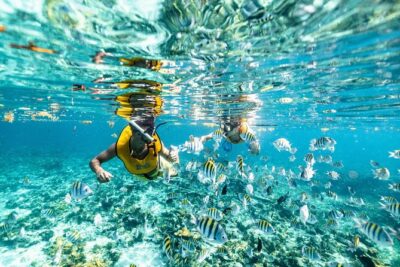
5-in-1 Cancun Snorkeling: Turtles, Reef, Musa, Shipwreck, Cenote
Read our review →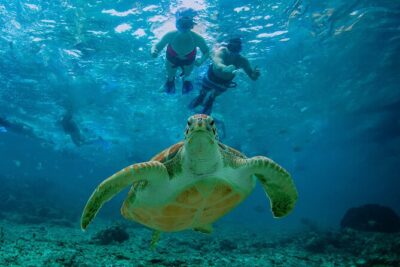
Hidden Cenote Swim: Snorkeling, Sea Turtles and Beachside Lunch
Read our review →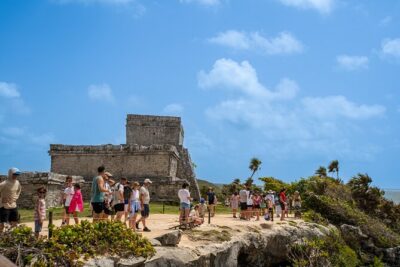
Full Day Tulum Ruins Tour Cenote and Swimming with Sea Turtles
Read our review →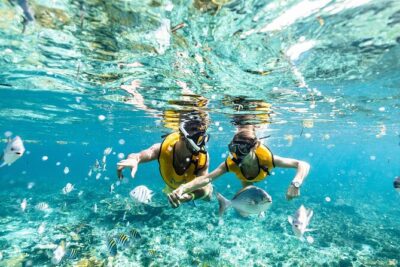
With Turtles, Shipwreck, Cenote, and Reef and Transport Included
Read our review →
4 Hour Cozumel Turtle Sanctuary Experience on a Luxury Catamarán
Read our review →Browse the lists this tour appears in