
Reviewed · CHOCOLATE & CACAO WORKSHOPS
Puerto Vallarta: Bean to Bar Chocolate Workshop
Cacao takes center stage in this two-hour Puerto Vallarta workshop, where you do more than taste a finished chocolate bar. You tour a chocolate museum, roast and grind cocoa beans, prepare three traditional drinks, and make chocolates of your own. It is part cooking class, part cultural lesson, and part edible souvenir.
I like the hands-on format and the small-group setup, which gives you room to ask questions and actually handle the ingredients. I also like the range of ages this suits: children old enough to follow directions can take part, while adults get a useful look at cacao’s place in Mexican culture. The only real limitation is that the session is not suitable for wheelchair users, and transportation is not included.
Key Points to Know
- You work with real cacao beans: Roast and grind them yourself rather than simply watching a demonstration.
- Three traditional drinks are included: You prepare and taste drinks such as chocolate tea and a masa-based beverage.
- Your chocolate is yours to keep: Choose milk or dark chocolate, add toppings, and make molded pieces to take home.
- The group is limited to eight people: That makes it easier to hear the English-speaking guide and get help at the worktable.
- Guides keep the lesson lively: Rodrigo, Zoar, Martin, and Rod are among the instructors associated with the workshop.
- Dietary needs can be accommodated: The activity can be made vegan, vegetarian, gluten-free, or lactose-free.
Starting With Cacao Instead of a Candy Bar
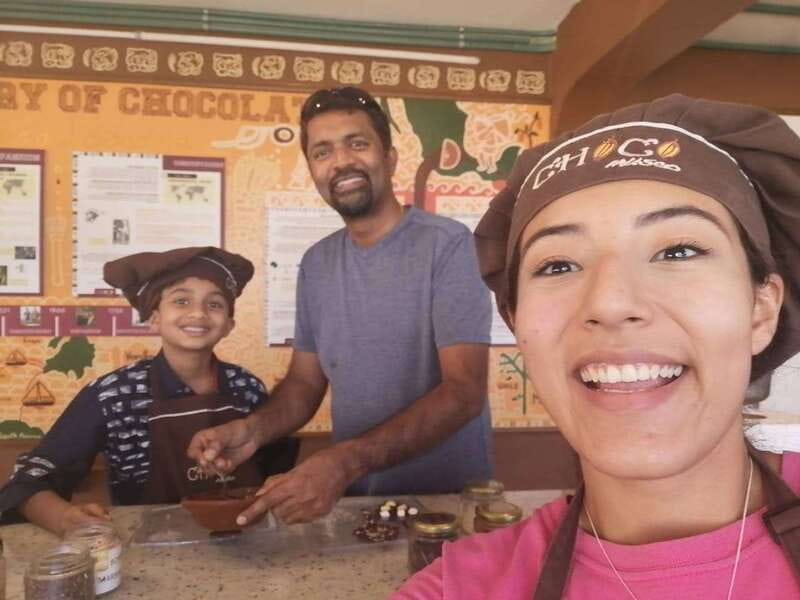
Many chocolate activities begin with a tasting. This one begins earlier, with the cacao bean itself. That matters because you get to see how a bitter, earthy ingredient changes through roasting, grinding, mixing, and preparation.
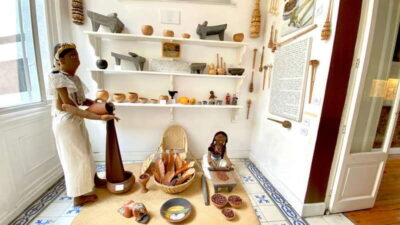
The workshop takes place at ChocoMuseo Puerto Vallarta in Jalisco. Your English-speaking guide leads you through the museum first, using the displays to explain cacao and chocolate’s development in Mexico. The museum portion gives the practical work some context. You are not just grinding beans for fun. You are seeing one stage in a food tradition that has shaped drinks, sweets, and ceremony for centuries.
I would think of this as a good introduction rather than a technical chocolate-making course. You learn the main stages and take part in the important ones, but the two-hour schedule does not suggest a full professional confectionery lesson. That is a strength for most vacationers. You get enough information to understand the process without spending half a day on industrial details.
More cacao and chocolate sessions in Puerto Vallarta:
- Finca 18 Puerto Vallarta Tequila Tour + Chocolate Pairing
★ 5.0 · 393 reviews - Bean to Bar Chocolate Workshop in Puerto Vallarta
★ 5.0 · 381 reviews - Chocolate Tour in Vallarta
★ 5.0 · 226 reviews
The Museum Tour Sets the Context
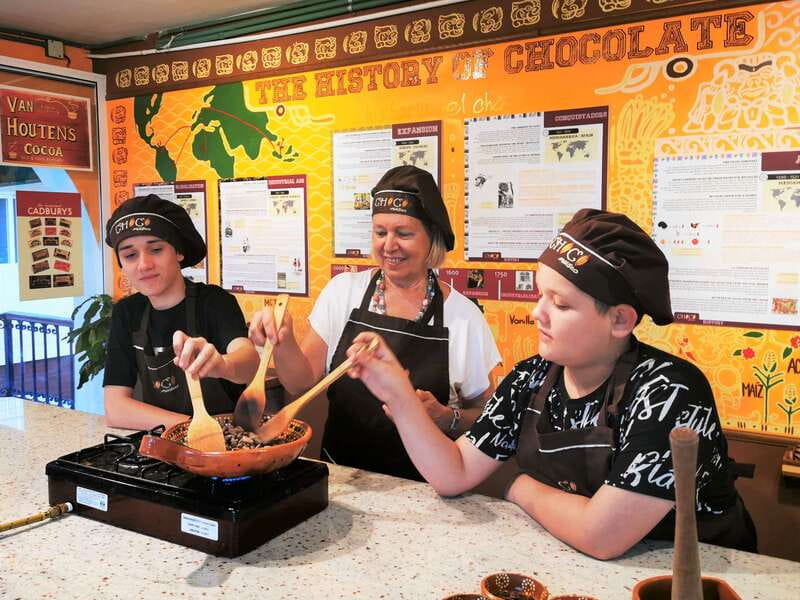
The guided museum visit comes before the work at the table. Your guide explains the history of cacao and the way chocolate developed in Mexico, with references to ancient civilizations and traditional uses.
The teaching style seems to be a key part of the experience. Guides named Rodrigo, Zoar, Martin, and Rod are associated with different sessions, and the format allows room for questions and interaction. Zoar, for example, has led mixed-age groups ranging from children to older adults, while Rodrigo is known for keeping the lesson active and calling people into the process rather than lecturing at them.
That makes this a useful choice for families. A child who is tired of formal museum tours still has something to do with their hands. Adults get the cultural background, and everyone has a drink or chocolate task waiting ahead.
The museum section may feel brief if you already know a great deal about cacao. If your main goal is simply to make candy, the introductory talk adds time before you reach the worktable. I think that trade-off is fair, since the cultural setting is part of what separates this from a standard chocolate activity.
Roasting and Grinding the Cocoa Beans
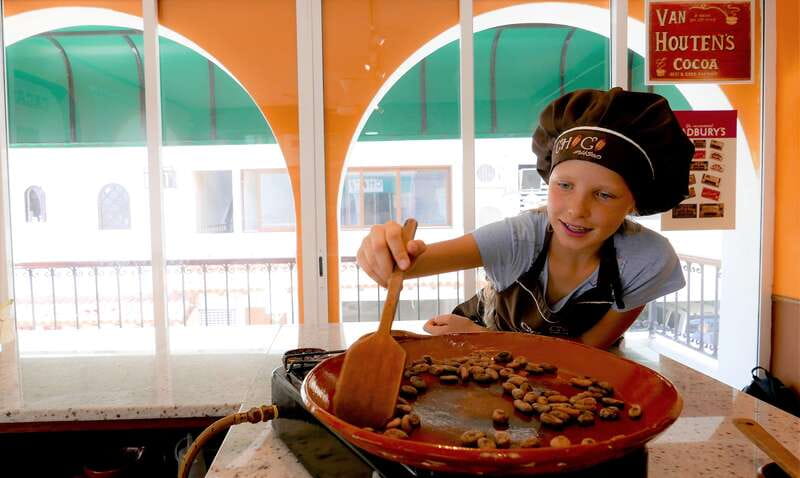
The most revealing part of the workshop is the bean preparation. You roast cocoa beans and then grind them, following the process with the guidance of the cacao and chocolate expert.
Roasting shows you how much work comes before a smooth piece of chocolate. Grinding gives you a closer look at the texture and aroma of cacao before it has been transformed into the sweet product most people know. The activity is tactile and direct, so you leave with a clearer sense of how raw material becomes something ready to drink or mold.
You should wear comfortable clothes and shoes. An apron and hat are provided for the session, which helps keep the activity tidy and adds a little ceremony to the work. The supplied ingredients, tools, and toppings are included, so you do not need to bring equipment.
The workshop does not claim to take you through every factory stage of commercial chocolate production. Instead, it focuses on the parts you can understand and perform in a short class: roasting, grinding, preparing drinks, and making your own chocolate. For a holiday activity, that is the right level of detail.
Three Traditional Drinks, Including Chocolate Tea
The drink portion adds variety to the class. You prepare three traditional chocolate drinks, learning how cacao is used in liquid form rather than only as a sweet bar.
One of the drinks is a chocolate tea, which has been especially popular with participants. Another uses masa, and its texture may surprise you if you expect a smooth, modern hot chocolate. The masa drink can taste good while still feeling unusual on the palate, so approach it as a traditional preparation rather than comparing it with a café mocha.
This is one of the strongest cultural parts of the workshop. Drinks reveal how people use an ingredient in everyday life, and the different preparations give you a wider view of Mexican chocolate than a single tasting would. You are also making the drinks yourself, so the lesson connects ingredients, technique, and taste.
The exact names of all three drinks are not specified, so you should not arrive expecting a fixed menu of familiar beverages. The useful point is that you will prepare three traditional drinks under the guide’s direction, including preparations that may be less familiar to you.
Same base, a different sort of day:
- Puerto Vallarta Best Zipline Canopy + Tequila and Speed Boat Ride
★ 5.0 · 3,786 reviews - Winner 2025 Downtown Vallarta Food Tour with Vallarta Food Tours
★ 5.0 · 3,738 reviews - Extreme Adventure, Wildest Bridge, ATV & Ziplines
★ 5.0 · 3,179 reviews - Mega Yacht ALL INCLUSIVE Yelapa Waterfall & Snorkeling Adventure
★ 5.0 · 2,515 reviews
Making Chocolate You Can Take Home
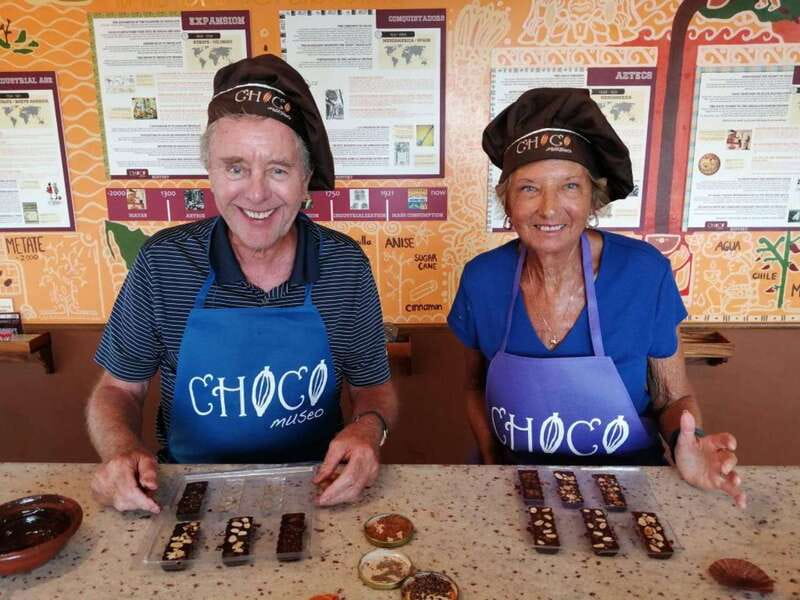
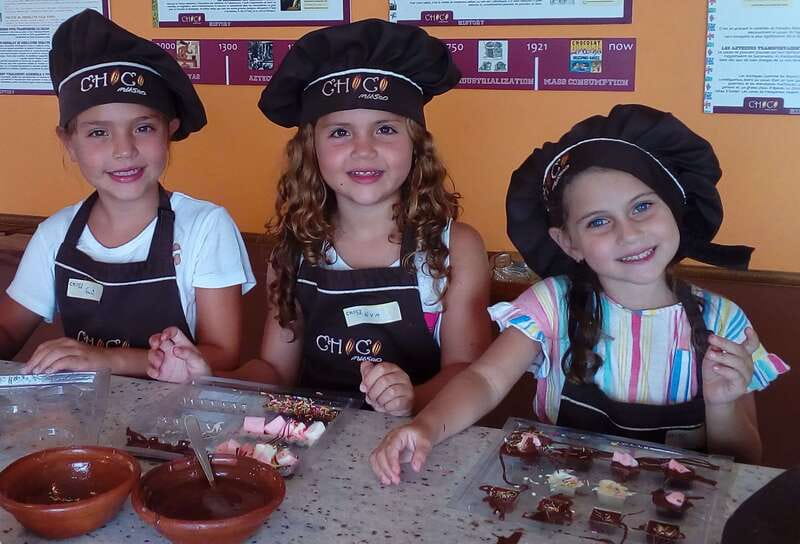
After the bean work and drinks, you make your own chocolates. You choose between milk and dark chocolate, then add toppings and other ingredients to create molded pieces.
This is where the class becomes personal. You are not handed a prepacked souvenir. You decide how to finish the chocolate, and the activity includes the ingredients and toppings needed for your creations. You then take the chocolate you make with you.
The amount is described as a generous supply in one account, but the exact quantity is not given, so I would not plan your luggage around a particular number of pieces. Still, the take-home chocolate adds real value to the $62 price. You receive both the activity and a physical reminder of it.
For children, this is likely the most rewarding stage. They can make choices, add toppings, and see a finished result during the same session. Adults may enjoy it for the same reason, especially if you prefer food activities where you participate rather than simply listen.
Remember that homemade chocolate may need care in Puerto Vallarta’s warm weather. The information provided does not specify packaging or storage instructions, so ask the guide how to keep your pieces in good shape after the workshop.
How Much Value You Get for $62
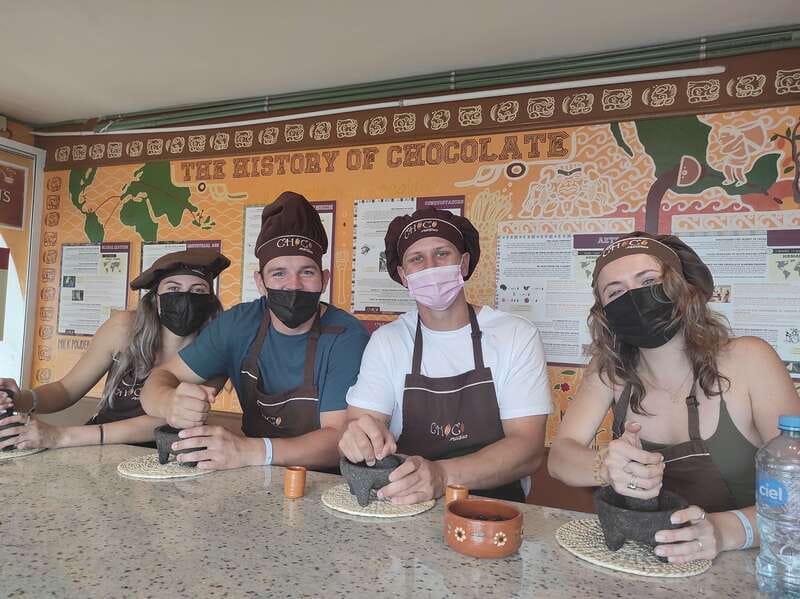
At $62 per person, this is not the cheapest two-hour activity in Puerto Vallarta. The price makes more sense when you count what is included: a guided museum visit, an English-speaking cacao and chocolate expert, the bean preparation, three drinks, an apron and hat, all ingredients and materials, toppings, and chocolate to take home.
I see the value in the combination. A museum tour alone would be fairly passive. A short cooking class alone might not explain much about Mexican cacao. Here, the two parts support each other, and the finished chocolates give you something tangible at the end.
The small group also matters. With a limit of eight participants, you are less likely to feel lost at the worktable, and the guide has a better chance of helping when you are roasting, grinding, or molding. One piece of feedback refers to a group of 10, but the current activity information lists a maximum of eight, so check the booking details for the session you choose.
If you are mainly looking for a large quantity of premium chocolate, this may not be the best use of your money. You are paying for instruction, cultural context, participation, and a souvenir, not simply for the retail value of the chocolate.
The Guides Make the Difference
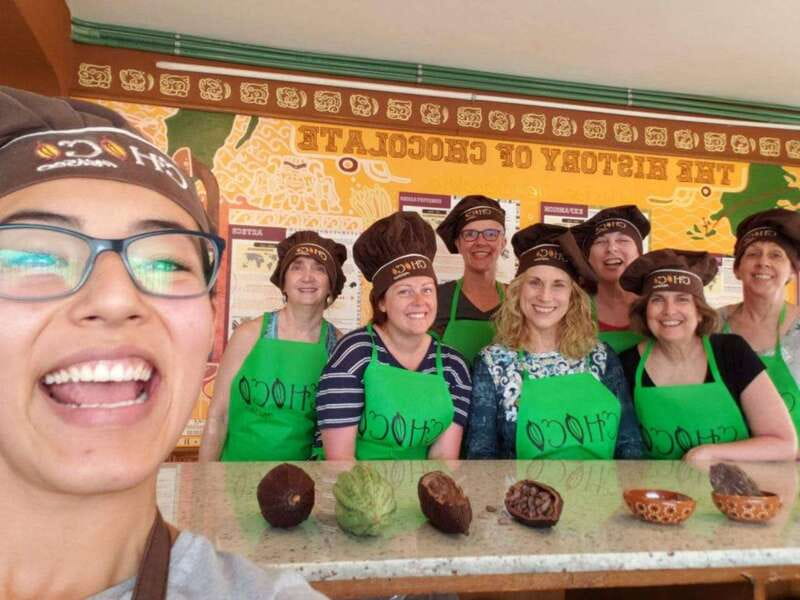
This workshop depends heavily on the guide. A flat presentation would make the museum section drag, while a friendly and active instructor can turn the same material into a lively class.
Rodrigo has led sessions that combine history, hands-on work, and plenty of interaction. Zoar has handled groups with a wide age range, including children and older adults. Martin and Rod are also named as instructors connected with the workshop. The guide assigned to your session may vary.
The format encourages questions, and the small group helps the instructor address people by name and keep them involved. That is useful if you are traveling with children or if you feel shy about joining in. You are not expected to arrive with chocolate-making skills.
English is the listed language for instruction. If you need a different language, do not assume it will be available.
Who Will Enjoy This Workshop Most
I would recommend this activity to you if you want a short cultural experience with a clear result. It works especially well for:
- Families with children old enough to follow directions
- Couples looking for a shared food activity
- Visitors interested in Mexican ingredients and traditions
- Chocolate fans who want to understand cacao before it becomes candy
- Cruise or short-stay visitors with a free two-hour window
- Anyone who prefers small groups to large demonstrations
The age range can be broad. A 10-year-old and a 73-year-old can both take part, provided everyone is comfortable following instructions and working at the table.
This is less suitable if you want a long, advanced pastry lesson, a full meal, or a luxury tasting focused only on finished chocolates. It is also not suitable for wheelchair users. The activity can be adapted for vegan, vegetarian, gluten-free, and lactose-free needs, but tell the provider about your requirements when booking so the proper arrangements are clear.
Practical Details Before You Go
The workshop lasts two hours, and starting times depend on availability. Arrive on time at the designated meeting point. Transportation is not included, so you need to make your own way there and back.
Wear comfortable shoes and comfortable clothing. An apron and hat are supplied, but this remains a hands-on food activity, so choose clothes you will not worry about around cacao and toppings.
The activity offers free cancellation up to 24 hours before the start time for a full refund. You can also reserve now and pay later, which helps if your Puerto Vallarta plans are still shifting.
The meeting point details are not included in the information provided here, so check them carefully before setting out. Do not assume your hotel, cruise terminal, or restaurant is nearby.
Is This a Good Puerto Vallarta Pick?
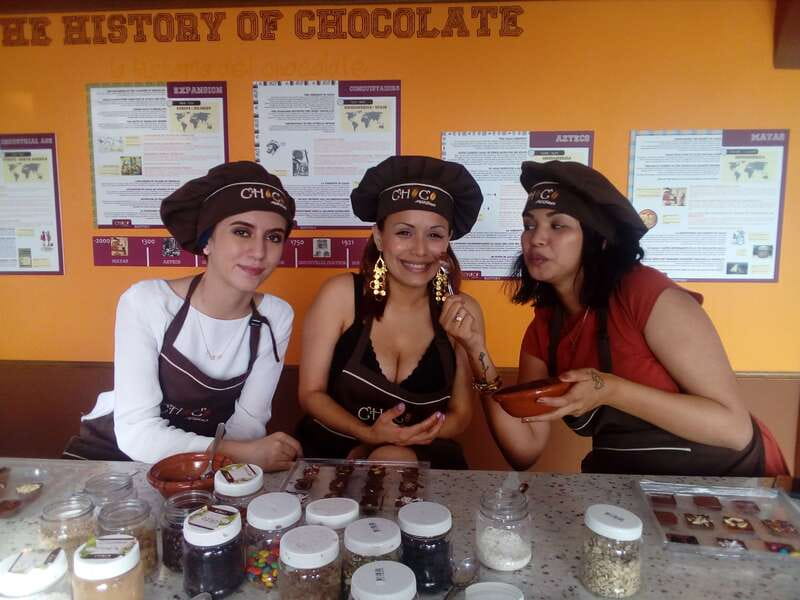
Yes, if you want more than a quick chocolate tasting. The best parts are the roasted and ground beans, the three traditional drinks, and the chance to make a take-home chocolate that reflects your own choices. The museum lesson gives the food a cultural setting, while the small group keeps the class personal.
I would book it for a family, a couple, or a curious solo visitor who enjoys food and local traditions. I would hesitate only if you need wheelchair access, dislike guided instruction, or want a long technical course in professional chocolate production.
For $62, you are buying a compact cultural lesson with active work, drinks, and a souvenir. That is a fair deal when you value participation as much as the chocolate itself.
FAQ
How long does the Puerto Vallarta chocolate workshop last?
The workshop lasts two hours. Starting times vary, so check availability when choosing your session.
What does the $62 price include?
The price includes a museum guide, a cacao and chocolate expert, three traditional drinks you prepare, ingredients and materials, toppings, an apron and hat, and the chocolate you make.
Can I take the chocolate I make home?
Yes. The chocolate you create during the workshop is included and can be taken with you.
Is the workshop offered in English?
Yes. English is the listed instruction language.
Can the workshop accommodate dietary restrictions?
The activity can be made vegan, vegetarian, gluten-free, or lactose-free. Share your needs when booking so the arrangements are clear.
Is transportation included, and is the workshop wheelchair accessible?
Transportation is not included, so you must reach the meeting point on your own. The activity is not suitable for wheelchair users.
Just added in Puerto Vallarta
- Jungle Single ATV Tour “El Mirador”★ 5.0 · 59 reviews
- Bucerias Bike and Food Tour★ 5.0 · 173 reviews
- Sayulita/Punta Mita: Zip Lines with Ocean View★ 4.8 · 34 reviews
- Sayulita: Canopy Tours & Zip-line Adventure★ 4.8 · 89 reviews
- Puerto Vallarta: Yelapa Mega Yacht Cruise★ 4.7 · 180 reviews
- Puerto Vallarta: Mega Yacht Whale Watching Sunset Cruise★ 4.7 · 94 reviews
- Puerto Vallarta Rhythms of the night, Show & Buffet dinner★ 4.7 · 219 reviews
- Puerto Vallarta: Baby Turtle Release in Conservation Area★ 4.8 · 110 reviews
Chocolate & Cacao Workshops, compared.
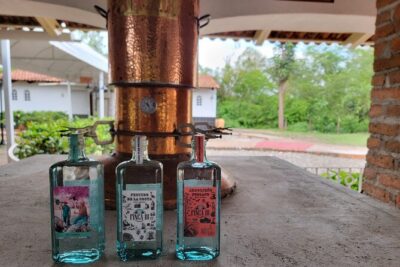
Finca 18 Puerto Vallarta Tequila Tour + Chocolate Pairing
Read our review →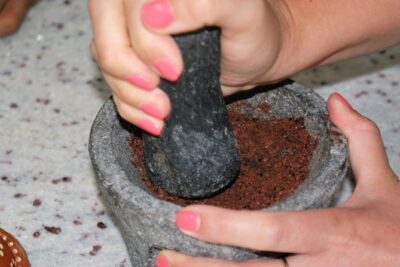
Bean to Bar Chocolate Workshop in Puerto Vallarta
Read our review →
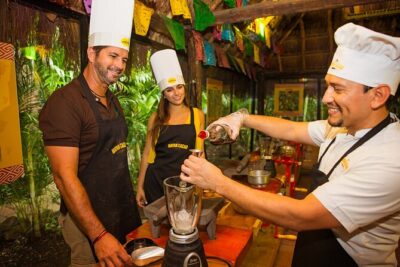
Tour to Uxmal Kabah and Chocolate Museum from Mérida
Read our review →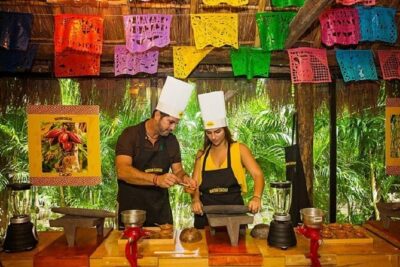
Browse the lists this tour appears in