
Reviewed · TURTLE SNORKELING TOURS
Puerto Escondido: Turtle Release Experience
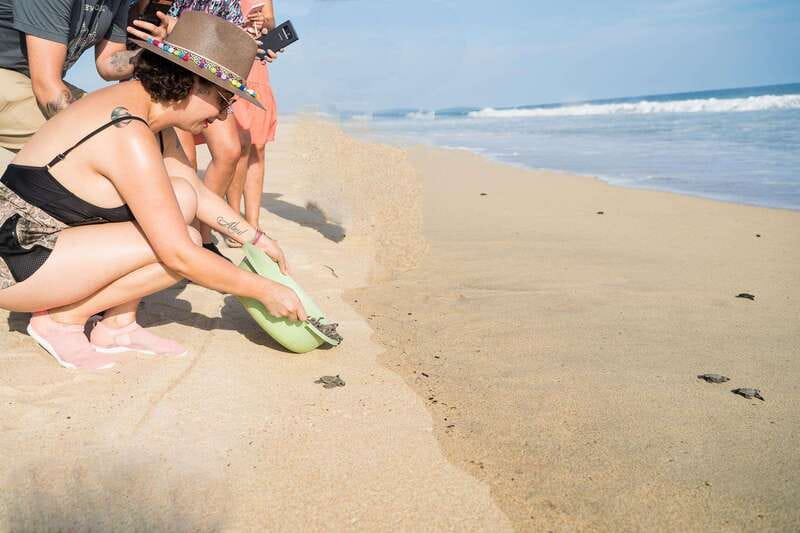
The best part of this Puerto Escondido outing is simple: you place a tiny sea turtle in a coconut shell, set it on the sand, and watch it race toward the Pacific as the sun drops. I like the direct connection to conservation, and I like that local staff explain why these animals need help rather than turning the release into a quick photo stop. The beach sunset is a fine bonus.
I also like the included hotel transfer and the small-group feel many visitors have had, with guides such as Edgar, Carlos, and Jamie praised for clear English and Spanish explanations. The main catch is time: the advertised two hours includes pickup and drop-off, and a long route can leave only about 50 minutes at the turtle camp.
Key points to know before you book
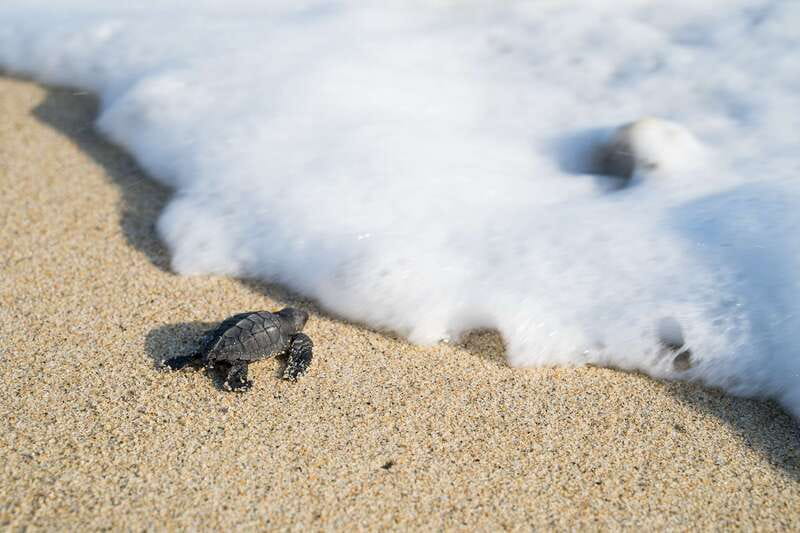
- A one-turtle release is included: You receive a baby turtle in a coconut shell and help it reach the surf.
- Local conservation comes first: The camp explains sea turtle species, nesting, and protection work.
- Sunset is part of the experience: The release takes place on a preserved beach with dramatic evening views.
- Transport can take longer than expected: Shared pickup routes may add up to about 80 minutes in the van.
- August to early November is uncertain: Releases depend on wild turtle arrivals outside the main nesting season.
- Leave products at the hotel: Sunscreen, suntan lotion, and insect repellent are strictly forbidden at the release.
What the evening is really about
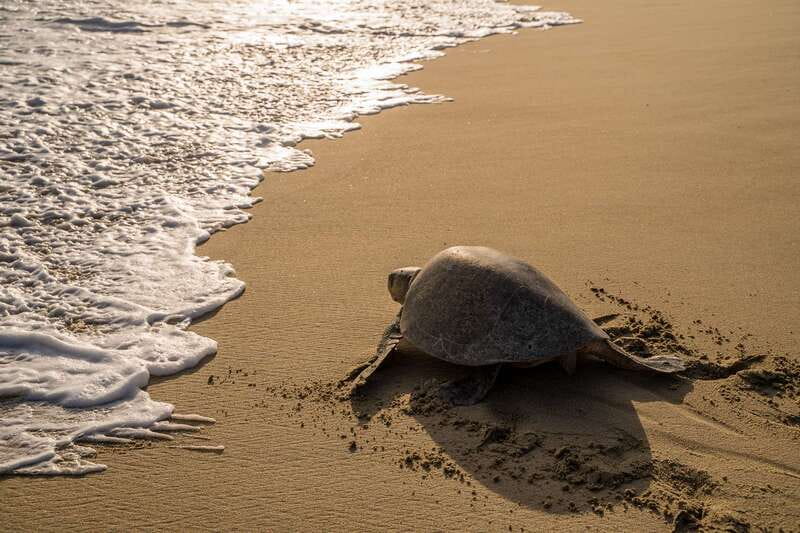
This is not a long wildlife safari or a full afternoon at a research center. It is a short, focused conservation visit built around one small act: helping a hatchling cross the sand.
That simplicity is the appeal. You do not just look at a sea turtle from a distance. You take part in a carefully managed release, learn why hatchlings are vulnerable, and watch the first stretch of a journey that will carry the turtle into open water.
The setting adds emotion without needing much decoration. The camp sits beside a preserved beach, and the timing usually brings you close to sunset. As the light softens, the little turtles head for the waves. Some reach the water quickly, while others take longer and may be nudged along by the incoming surf.
The experience is also a reminder that conservation is not always grand or high-tech. Here, it can involve local people protecting nests, educating visitors, and giving hatchlings a better chance to reach the sea.
More places to swim with turtles near Mexico:
- Half-Day Sea Turtle and Cenote Snorkeling Tour from Cancun & Riviera Maya
★ 5.0 · 2,039 reviews - Tulum Ruins, Turtles in Akumal and Cenote tour
★ 5.0 · 1,706 reviews - 5-in-1 Cancun Snorkeling: Turtles, Reef, Musa, Shipwreck, Cenote
★ 4.5 · 1,678 reviews
Pickup from Puerto Escondido and the ride out
Pickup is from your hotel lobby in Puerto Escondido. Be ready ten minutes before the scheduled time. The transfer is included, usually in an air-conditioned van, and the driver also serves as your instructor or guide during the journey.
The drive is an important part of the time calculation. The activity is sold as two hours, but that includes collecting and returning other people. One reported route took about 80 minutes in total, while another visitor had roughly a 30-minute ride to the conservation site. Your actual time in the van depends on where you are staying and how many pickups are scheduled.
I would not book this expecting two uninterrupted hours at the beach. Think of it as a compact evening outing, with the transport making it possible to visit a turtle camp without arranging a taxi yourself.
The ride can also be useful preparation. Some guides explain what will happen before you arrive, and friendly drivers have helped set the tone with facts and conversation. Still, language ability can vary. English and Spanish are offered, and guides including Edgar, Jamie, and Carlos have been singled out for strong bilingual communication. At times, though, the driver or beach staff may not speak both languages fluently.
The turtle camp talk
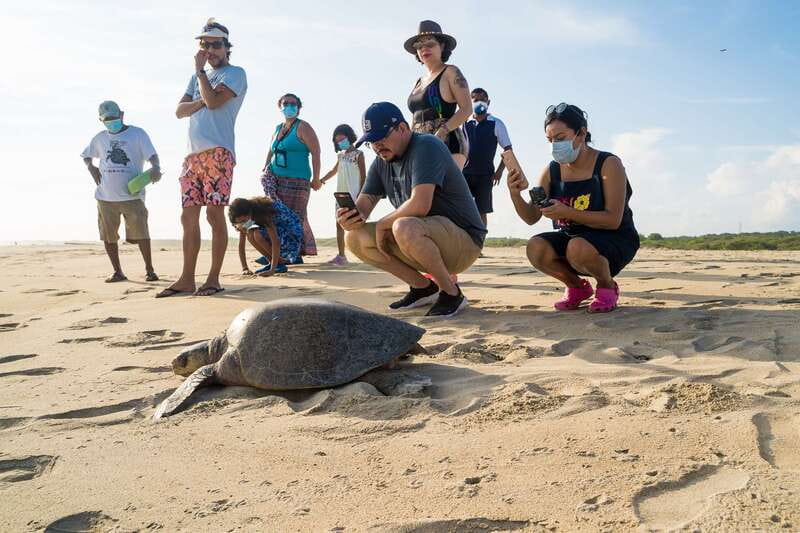
At the beach, a local conservation group introduces the different sea turtle species and explains the threats they face. You learn about their lives, nesting, and the measures used to protect them after sea turtles became endangered.
The exact amount of instruction can vary. Some visits include a useful explanation and time for questions, while others feel rushed. If the educational side matters to you, listen carefully at the start and ask questions while the staff are gathered around the group. The release itself moves quickly, so this is your best chance to understand the work behind it.
The local connection gives the visit its value. The people at the camp are directly involved in protecting turtles and organizing releases. One beach guide, Natalie, was especially praised for taking time with children and answering their questions. That kind of personal attention can make the talk more meaningful for families.
At the same time, multiple operators may bring groups to the same camp. You might see a fair number of people lined up along the beach. This does not necessarily spoil the event, but it means the experience is not always private or quiet.
Holding the hatchling in a coconut shell
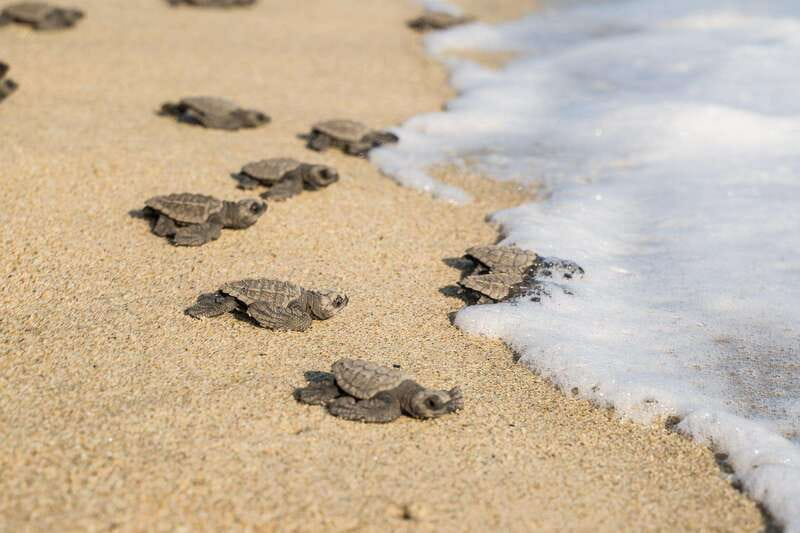
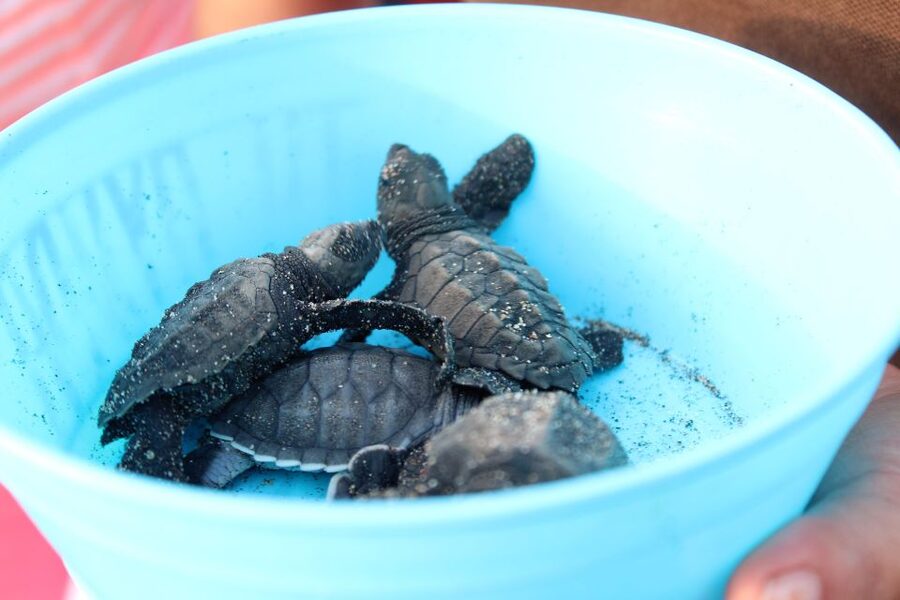
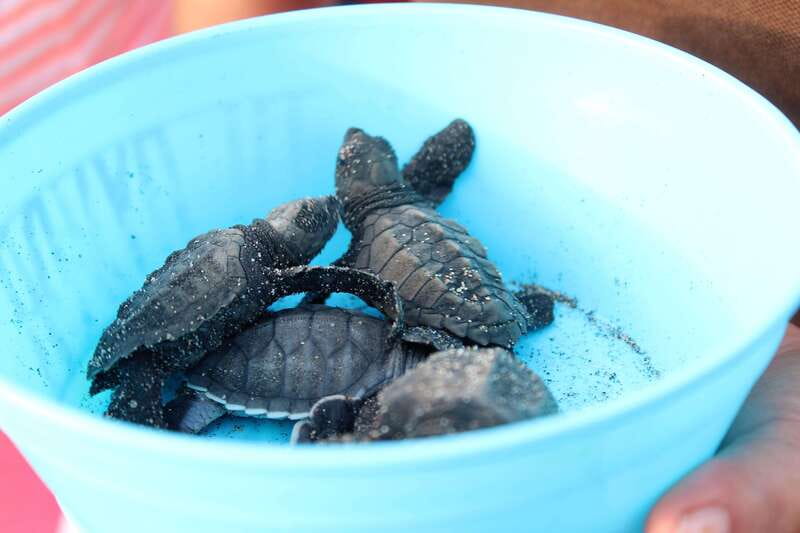
Each participant receives one baby turtle to liberate. The turtle is placed in a coconut shell, which gives you a safe way to carry it to the starting point without handling its delicate body directly.
This is the moment children and adults tend to remember. The hatchlings are small, active, and determined. They may try to crawl out of the shell before the release begins, so you need to pay attention and follow the staff’s instructions.
The shells also make for clear photographs. The staff provide time for pictures before the group forms a line on the sand. Take your photographs then rather than turning the actual release into a long photo session. The turtle’s first trip to the ocean should remain the main event.
If you are traveling with an infant and want a turtle specifically for the baby, arrange that directly with the turtle camp. The standard inclusion is one baby turtle for each participant, but the information provided says an infant’s turtle requires a separate arrangement.
Same base, a different sort of day:
- Chichen Itza, Cenote, and Valladolid Tour
★ 5.0 · 24,293 reviews - Chichen Itza, Cenote & Valladolid Tour with Tequila and Lunch
★ 4.5 · 15,789 reviews - Teotihuacan, Guadalupe Shrine & Tlatelolco Day Tour with Lunch
★ 5.0 · 11,603 reviews - Cabo Beach Camel Ride, Mexican Buffet and Tequila Tasting
★ 5.0 · 8,815 reviews
The walk to the waves
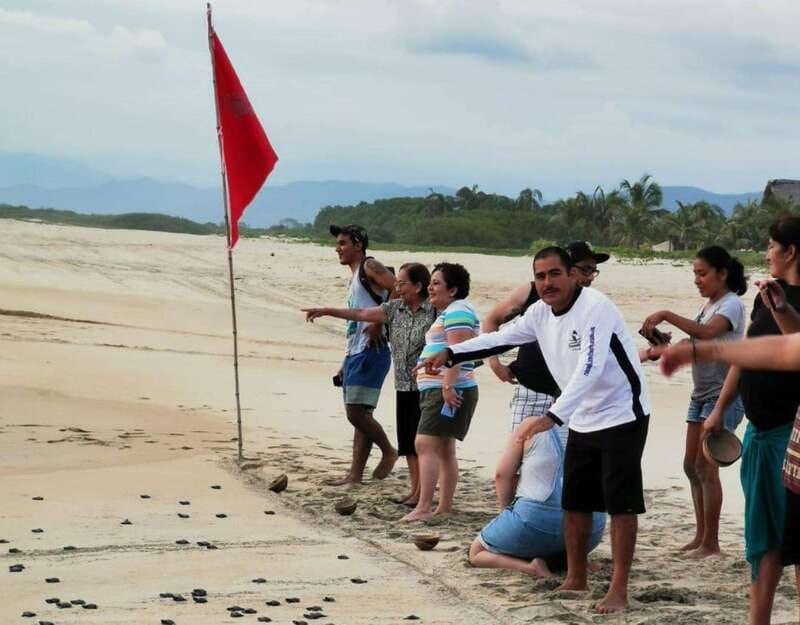
Once everyone is ready, you place the coconut shells on the beach and release the hatchlings together. The turtles begin moving toward the ocean, and the group watches as the waves gradually carry them into the start of their lives at sea.
This is a short activity, not a long beach walk. One person receives one turtle, and the release can be over faster than you expect. If you want to see more than one group go, stay near the camp as long as the schedule permits. A second release may give you a better sense of the process, though you should follow staff instructions and avoid interfering.
There can be natural hazards. Gulls may approach the hatchlings, and visitors may be asked to help scare them away. That is part of the reality of the release, not a sign that something has gone wrong. The camp is helping the turtles reach the ocean, but it cannot control every part of nature once the hatchlings leave the sand.
This is also why the event can feel both joyful and sobering. You are helping with the first few minutes of a difficult journey. Reaching the surf is a victory, but it is not a guarantee of survival.
Sunset on the preserved beach
The beach setting is more than a backdrop. After the conservation talk and release, you have time to take photos and watch the sunset over the water.
The best light often comes at the end, when the sky changes and the beach becomes calmer. Bring sunglasses for the brighter part of the visit, and wear sandals or other footwear that can handle sand. Comfortable clothes are a better choice than anything formal.
Do not use sunscreen, suntan lotion, or insect repellent at the turtle release. This is a strict rule, intended to protect the hatchlings and the beach environment. Apply nothing before the activity if you can avoid it, and plan your beach clothing accordingly. The prohibition is easy to miss when packing for a sunny Mexican beach, so treat it as one of the most important practical details.
Food and drinks are not included. Bring cash if you may want to buy something during the outing, but do not count on a meal being part of the schedule. Since there is no toilet at the conservation site, use the facilities at your hotel before pickup.
How much time do you get for $40?
The cost is $40 per person. That price covers hotel pickup and drop-off, the driver or instructor, entry to the turtle camp, the conservation explanation, and one baby turtle release.
The value depends on what you want from the evening. If you want a low-cost beach transfer and a long nature lesson, you may find the outing brief. The actual talk and release can take around 50 minutes once transport is removed, and some people have felt the price was high for that amount of time.
If you see the fee as a contribution to a local conservation effort, the calculation looks better. You are paying for transport, staff time, camp access, and an organized way to participate without handling the turtles improperly. The experience also supports a place that works with endangered sea turtles throughout the year.
I would book it for the meaning of the activity, not for the number of minutes. A sunset release is a memorable Puerto Escondido evening, but it is not a bargain if you measure value only by duration.
When turtle releases are most likely
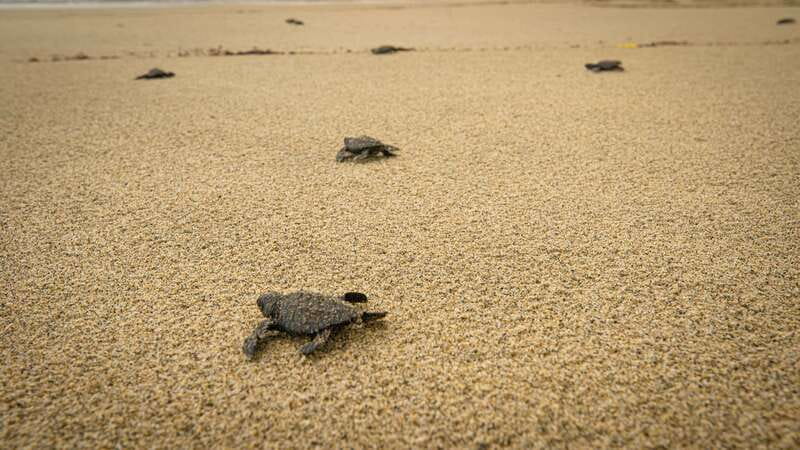
The season matters. From August to early November, turtle sightings are rare because this period falls outside the main nesting season. Conservation work continues throughout the year, but releases during these months depend entirely on wild turtle arrivals.
That means the activity is not a guaranteed wildlife encounter in every season. If seeing hatchlings is the main reason you are booking, ask about current conditions before committing, especially during the August to early November period.
At other times, the camp may have more regular releases, but nature still sets the schedule. The staff cannot produce turtles on demand. That uncertainty is part of supporting a real conservation program rather than visiting a staged animal attraction.
Who will enjoy this most?
This is a strong choice for families, couples, and anyone who wants a short nature activity with a clear purpose. Children often connect with the turtles quickly, and the beach setting gives them space to watch the release rather than sit through a long lecture.
It also suits visitors who want an easy evening plan. Pickup is included, the guide handles the logistics, and the program combines education, wildlife, and sunset in one outing. English and Spanish support make it accessible to many international visitors, though you should be prepared for uneven translation if your group includes both languages.
I would be more cautious if you need full wheelchair access, since the experience is not suitable for wheelchair users. It may also disappoint you if you expect a private beach visit, extensive time at a nursery, or a detailed scientific workshop.
Small details that make the visit better
Arrive in the hotel lobby early. Pickup routes can be shared, and a late departure can reduce your time at the camp.
Wear sandals and comfortable clothes. You will be on a beach, and there is no reason to dress for a restaurant afterward unless you plan to change.
Bring sunglasses and cash. Leave oversized luggage behind, since it is not allowed.
Use your camera before the release begins. The staff may allow a photo with the coconut shell, but once the turtles are moving, keep your attention on the sand and water.
Ask questions during the talk. If the explanation feels rushed, a direct question about species, nesting, or protection can help you get more from the visit.
Keep your expectations realistic. You are helping one turtle reach the ocean, not guaranteeing its survival. That makes the moment more powerful, not less.
Should you book the Puerto Escondido turtle release?
Book this experience if you want a short, emotional wildlife encounter that puts local conservation at the center. The combination of a baby turtle, a preserved beach, and sunset is hard to reproduce on your own, and the included transport makes the outing simple.
Skip it if you need a longer program, guaranteed sightings in August through early November, or a quiet private setting. Also think twice if $40 feels high for roughly an hour at the camp.
For most visitors, I would call it worthwhile when turtle season is active and you treat the price as both an activity fee and support for the camp. Go with comfortable clothes, no sunscreen or insect repellent, and enough patience for a shared pickup route. Then let the hatchling take the lead.
FAQ
How long does the turtle release experience last?
The advertised duration is two hours, including hotel pickup and drop-off. Shared transport can take a large part of that time, with some routes taking about 80 minutes in total. The talk and release may last around 50 minutes.
What is included in the $40 price?
The price includes hotel pickup and drop-off in Puerto Escondido, a driver or instructor, entry to the turtle camp, and one baby turtle to liberate.
Can I use sunscreen or insect repellent?
No. Sunscreen, suntan lotion, and insect repellent are strictly forbidden at the turtle release.
What should I bring?
Bring sunglasses, sandals, comfortable clothes, and cash. Oversized luggage is not allowed, and food and drinks are not included.
Are turtle releases available all year?
Conservation work continues all year, but releases from August to early November depend on wild turtle arrivals. Turtle sightings are rare during that period because it is outside the main nesting season.
Is the activity available in English?
Yes. The activity is offered in Spanish and English. Guide communication can vary, so some parts of the explanation may be easier to follow than others.
Just added in Mexico
- Chichen Itza Full Day Tour★ 5.0 · 223 reviews
- Private Tour Uxmal Ruins and Chocolate Museum plus Cenote★ 5.0 · 43 reviews
- Private Merida Tour on a Budget – Best Rated★ 4.5 · 89 reviews
- Private Tour Chichen Itzá and Cenote plus Valladolid Magic town★ 5.0 · 30 reviews
- Private Tour Cenotes of Mucuyche & Santa Barbara in one day★ 5.0 · 56 reviews
- Merida : Chichen Itza, Izamal and Cenote with lunch and pick up★ 4.5 · 132 reviews
- Chichen Itza Elite Private Tour from Merida★ 5.0 · 58 reviews
- Chichen Itza Cenote and Magic Izamal★ 5.0 · 80 reviews
Turtle Snorkeling Tours, compared.
Half-Day Sea Turtle and Cenote Snorkeling Tour from Cancun & Riviera Maya
Read our review →
Tulum Ruins, Turtles in Akumal and Cenote tour
Read our review →
5-in-1 Cancun Snorkeling: Turtles, Reef, Musa, Shipwreck, Cenote
Read our review →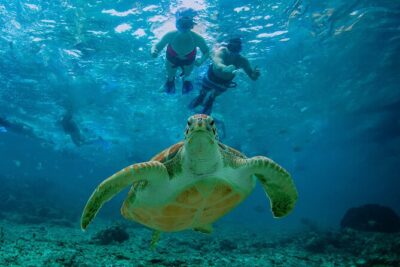
Hidden Cenote Swim: Snorkeling, Sea Turtles and Beachside Lunch
Read our review →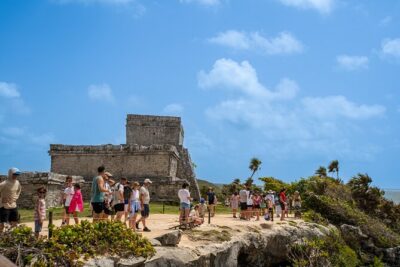
Full Day Tulum Ruins Tour Cenote and Swimming with Sea Turtles
Read our review →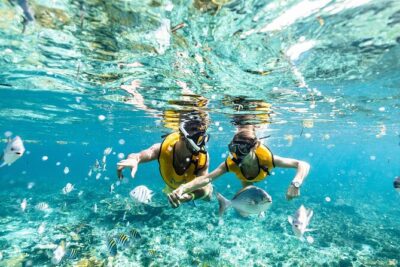
With Turtles, Shipwreck, Cenote, and Reef and Transport Included
Read our review →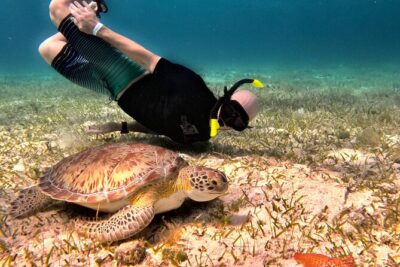
4 Hour Cozumel Turtle Sanctuary Experience on a Luxury Catamarán
Read our review →Browse the lists this tour appears in