
Reviewed · TOURS IN MEXICO CITY
Mexico City: Ticket de entrada Museo Memoria y Tolerancia
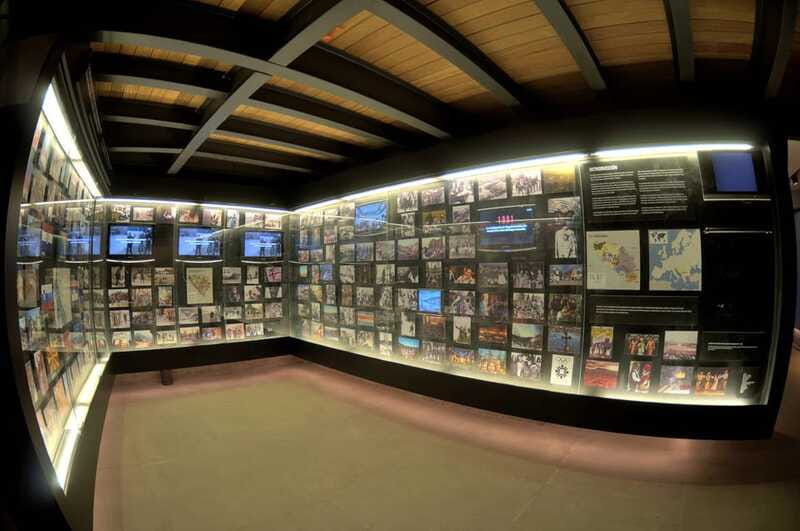
Mexico City’s Museo Memoria y Tolerancia asks you to face some of humanity’s hardest truths. Its permanent exhibition covers the Holocaust and genocides in Armenia, Rwanda, Guatemala, Cambodia, Darfur, and the former Yugoslavia, then turns that history toward tolerance, peace, and action. The subject is heavy, but the museum gives it purpose rather than leaving you with facts alone.
I like two things right away: the museum’s 43 rooms and more than 1,200 objects, documents, and audiovisual pieces give the story real weight, and the art installations create pauses for thought between the historical displays. The ticket also includes temporary exhibitions, an English or Spanish audioguide, and access to striking works by Jan Hendrix, Jorge Marín, Rivelino, and other artists.
The main consideration is time and age. This is not a quick stop or a light family outing. The permanent exhibitions are recommended for children over 15, and younger children must stay with an adult. Give yourself enough time to process what you see.
Key points to know before you go
- The Holocaust and genocide exhibition is the museum’s emotional center, with material on several modern mass atrocities rather than one single event.
- Forty-three permanent-exhibition rooms hold more than 1,200 objects, documents, and audiovisual pieces.
- The English and Spanish audioguide lets you follow the museum at your own pace.
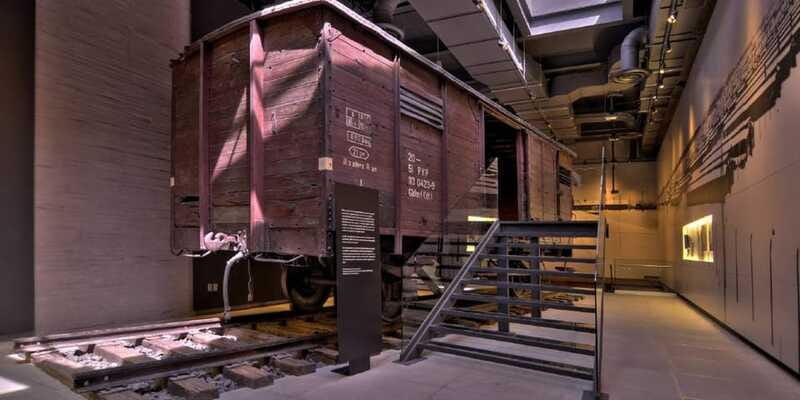
- Jan Hendrix’s installations, the Berlin Wall fragment, and a World War II prisoner transport wagon add a strong physical presence to the history.
- Temporary exhibitions are included, so the visit may offer more than the permanent galleries alone.
- The museum is in Plaza Juárez, beside the Secretaría de Relaciones Exteriores and across from the Hemiciclo a Juárez.
Why this museum matters in Mexico City
Many museums ask you to admire beautiful objects or understand a period of history. This one asks you to consider what people do when discrimination becomes normal, when propaganda replaces truth, and when bystanders decide not to act.
That aim shapes the visit. The museum links the Holocaust with other genocides and crimes against humanity, including Armenia, Rwanda, Guatemala, Cambodia, Darfur, and the former Yugoslavia. You are not being given a single isolated tragedy. You are being shown repeated patterns of exclusion, hatred, violence, and indifference.
That wider focus is valuable because it makes the museum less like a memorial to one event and more like a lesson in how societies can break down. You may recognize familiar language and behavior in different historical settings. The point is not to compare suffering. The point is to notice warning signs.
The museum also looks ahead. Its stated goals include tolerance, a culture of peace, respect for human rights, and social action. That gives the visit a clear direction. You leave with questions about present-day choices, not just dates and names.
A few more things to do in Mexico City worth a look
- Lucha Libre Tickets & Tacos & Beer & Mezcal – BEST NIGHT EVER!
★ 5.0 · 1,077 reviews - Frida Kahlo VIP [Museum Tickets Included] Bike, Markets & Churros
★ 5.0 · 1,072 reviews - Frida Kahlo VIP [Museum Tickets Included] Walk, Markets & Churros
★ 5.0 · 982 reviews
Starting in the 43 permanent exhibition rooms
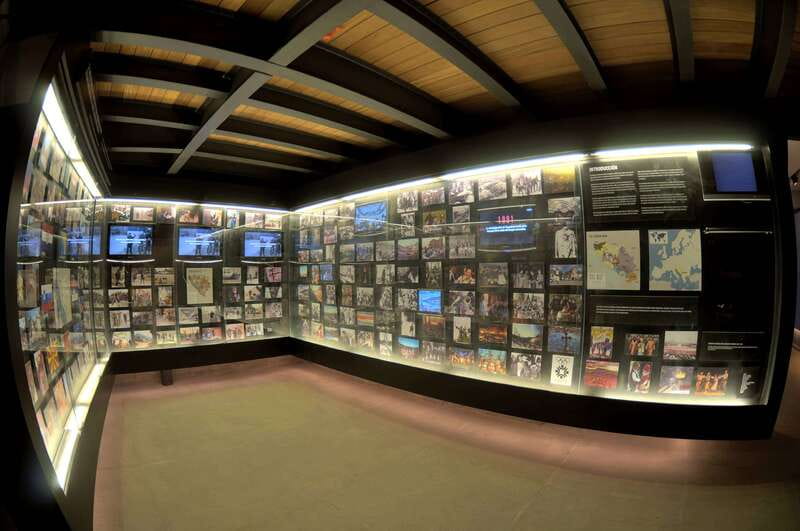
Plan to spend much of your visit in the permanent exhibition. The galleries occupy 43 rooms and contain over 1,200 objects, documents, photographs, and audiovisual pieces. That is a large amount of material, so you should not expect to absorb every label or watch every screen in one pass.
The English and Spanish audioguide helps you set your own pace. If your Spanish is limited, select English. If you are comfortable in Spanish, you can choose the language that lets you think most clearly about difficult material. The audioguide also gives the visit more structure than simply walking from case to case.
The displays deal with the Holocaust first, then broaden the discussion to other genocides and crimes against humanity. The material may include photographs, written evidence, filmed accounts, and objects connected with the events. The supplied information does not provide a room-by-room order, so allow the galleries to guide you rather than trying to follow a fixed script.
I suggest taking a pause every few rooms. The subject matter is demanding, and the museum is more useful when you have time to reflect. Rushing through the exhibition just to reach the end can turn a serious visit into a long list of horrors.
The Holocaust exhibition and Anne Frank material
The Holocaust section is likely to be the part many people remember most clearly. It presents the persecution and murder of European Jews through historical evidence and human stories, rather than treating the subject as a distant textbook chapter.
An Anne Frank exhibition is included among the museum’s material. It adds a personal point of connection to an enormous historical crime. Anne’s story helps you see how the Holocaust affected an individual young person and family, not just an abstract population.
This section may be especially affecting if you have read Anne Frank’s diary or studied the Holocaust before. Even so, the museum places her experience within the wider history of discrimination, persecution, deportation, and murder. That context matters. Anne Frank is not presented as a substitute for the millions of other victims, but as one human story that helps make the scale of the crime easier to grasp.
The museum’s presentation combines photographs, documents, art, and audiovisual material. You may find the combination more moving than a gallery made only of text. It also means the visit can feel intense, particularly for younger visitors. The recommendation for children over 15 is worth taking seriously.
From Armenia to Darfur: a wider view of genocide
The museum’s later sections address genocides and crimes against humanity in Armenia, Rwanda, Guatemala, Cambodia, Darfur, and the former Yugoslavia. This is one of the strongest reasons to choose this museum over a smaller exhibition focused only on the Holocaust.
Each case has its own political setting, victims, perpetrators, and historical timeline. At the same time, the museum encourages you to look for recurring forces: racism, ethnic hatred, political manipulation, dehumanizing language, forced displacement, and the failure of institutions to protect people.
You should not expect an equally detailed treatment of every event. A museum covering this many subjects has to make choices. The benefit is breadth. You leave with a clearer sense that mass violence has occurred in different parts of the world and that it often develops through stages that people can recognize.
The Guatemala section may carry particular local importance for visitors interested in Latin American history. The inclusion of Cambodia, Rwanda, Darfur, Armenia, and the former Yugoslavia also places Mexico City within a global conversation about memory and human rights.
Same base, a different sort of day:
- Teotihuacan, Guadalupe Shrine & Tlatelolco Day Tour with Lunch
★ 5.0 · 11,603 reviews - Xochimilco, Coyoacan and Frida Kahlo with Optional Lunch
★ 4.5 · 7,320 reviews - Balloon flight + Breakfast in cave + Pyramids + Pick up CDMX.
★ 5.0 · 6,335 reviews - Teotihuacan pyramids morning or afternoon without tourist traps
★ 5.0 · 6,186 reviews
Art that gives the history room to breathe
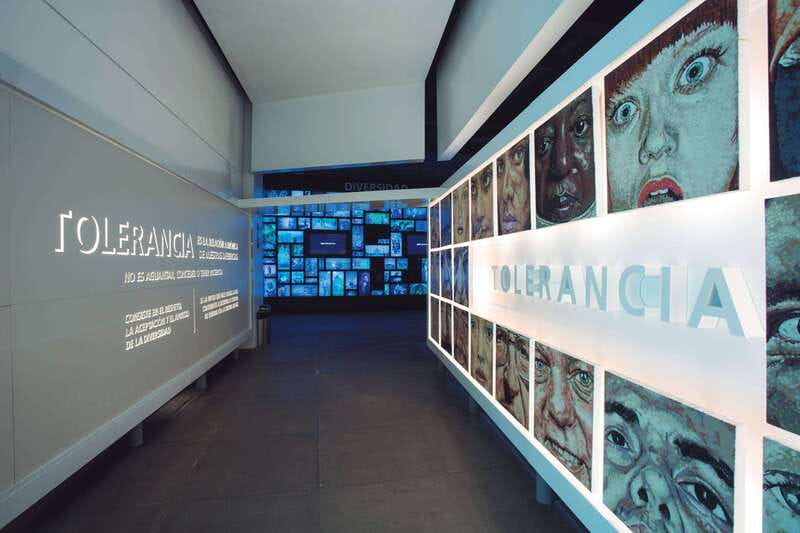
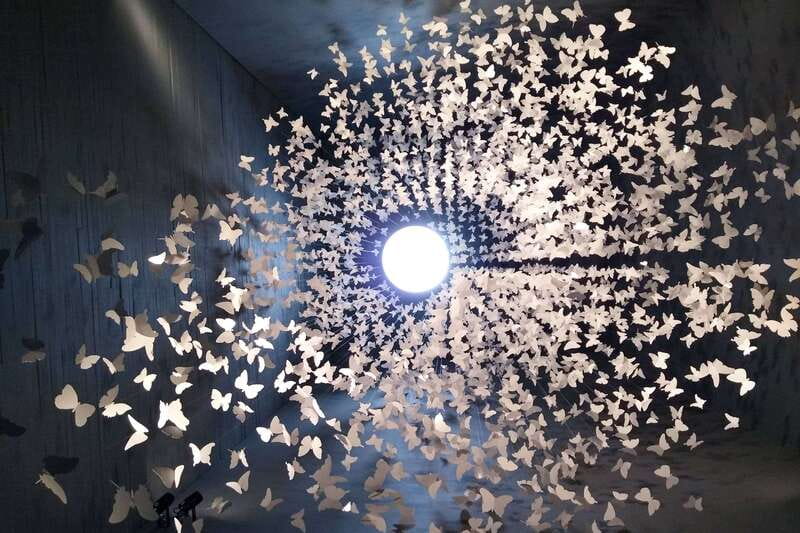
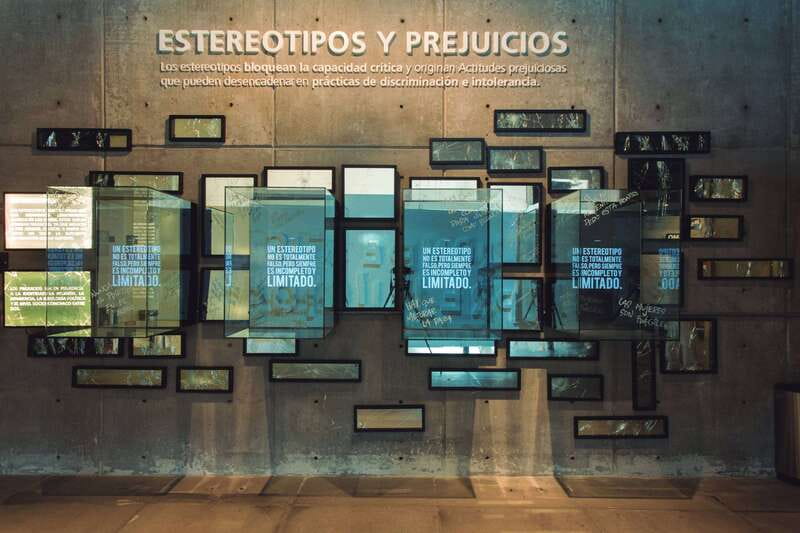
The museum does not rely on documents alone. Its permanent art installations provide visual pauses and emotional counterpoints.
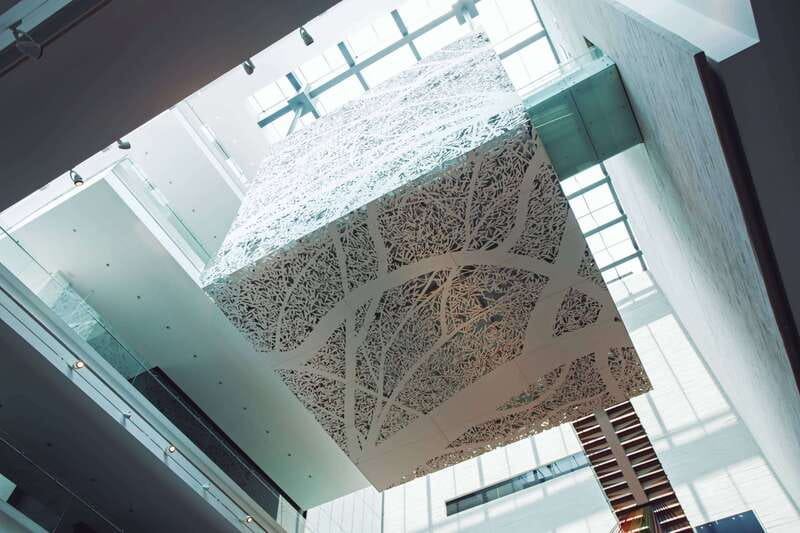
Jan Hendrix created several of the named installations, including Lost Potential and Cube. These works bring an abstract, artistic language to subjects that can be difficult to process through historical evidence alone. You may find that they slow your pace and encourage a different kind of attention.
Another installation uses metronomes by Lozano-Hemmer. The repeated movement and sound create a physical sense of time, rhythm, and tension. It is a reminder that this museum is not simply a collection of cases. The building uses motion, sound, and space to make ideas felt.
The Wings of Peace, a sculptural and interactive work by Jorge Marín, adds a more hopeful note. Rivelino’s YOU, also sculptural and interactive, turns attention back toward the person standing in front of it. These works support the museum’s larger question: What responsibility belongs to you when you see injustice?
You will also find a sculpture from the Non-Violence Project by Carl Fredrik Reuterswärd. The work’s message is direct, and its placement among galleries about violence gives it added force.
The train wagon and Berlin Wall fragment
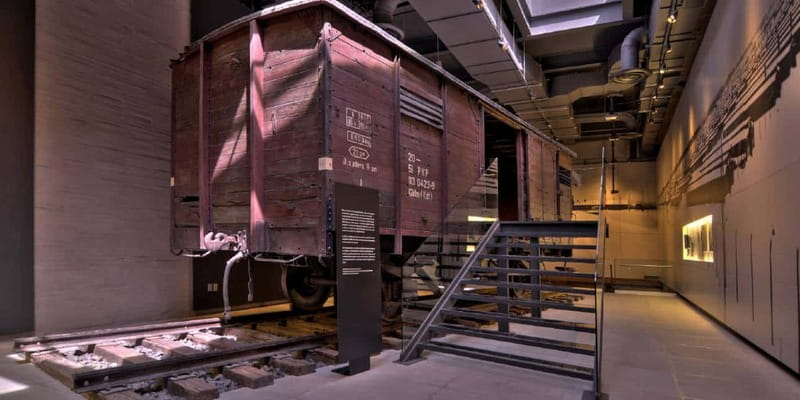
Some of the most powerful objects are the ones with a clear physical connection to history. The museum displays a train wagon used during World War II to transfer prisoners. It is difficult to treat such an object as a mere exhibit because its purpose is so closely linked to the machinery of persecution.
The wagon gives scale to an experience that photographs and documents can make seem distant. You can see the confined space and consider the people forced into it. The museum does not need to add much decoration around an object like this. Its presence does the work.
A fragment of the Berlin Wall provides another direct link to the past. Unlike the wagon, it points to division, political power, borders, and the eventual possibility of change. The fragment also connects the museum’s themes to a familiar symbol of twentieth-century conflict.
Together, these objects make the visit more tangible. You are not only reading about systems and ideologies. You are standing near physical remains associated with the choices those systems produced.
Temporary exhibitions add value to the ticket
Your admission also includes temporary exhibitions. The supplied information does not identify the current temporary show, so check what is on display before you visit if a particular exhibition matters to your plans.
This inclusion improves the value of the $13 ticket, especially if you set aside enough time for more than the permanent galleries. Temporary exhibitions may offer a different theme, artist, or presentation style from the main collection.
I would not choose the museum solely because of an unspecified temporary exhibition. The permanent exhibition is the main reason to go. Still, included temporary access means the ticket covers more than one fixed route through the building, and repeat visitors may find a fresh reason to return.
What $13 gets you
At $13 per person, the ticket is reasonably priced for a full-day admission to a museum with 43 permanent rooms, more than 1,200 pieces, temporary exhibitions, and an audioguide. The value depends on how you visit.
If you spend only an hour rushing through, the price may feel less convincing because the museum’s strength is its depth. If you give the galleries time, use the audioguide, stop for the installations, and visit the temporary exhibition, the admission covers a substantial cultural experience.
You are also paying for access to a museum with a clear educational and civic purpose. That does not make the ticket automatically good value, but it helps explain what the money supports: historical education, human rights awareness, and public discussion about tolerance.
Free cancellation up to 24 hours ahead and the option to reserve now and pay later make the booking flexible. These terms are useful if your Mexico City schedule is still moving around.
Location and practical planning in downtown Mexico City
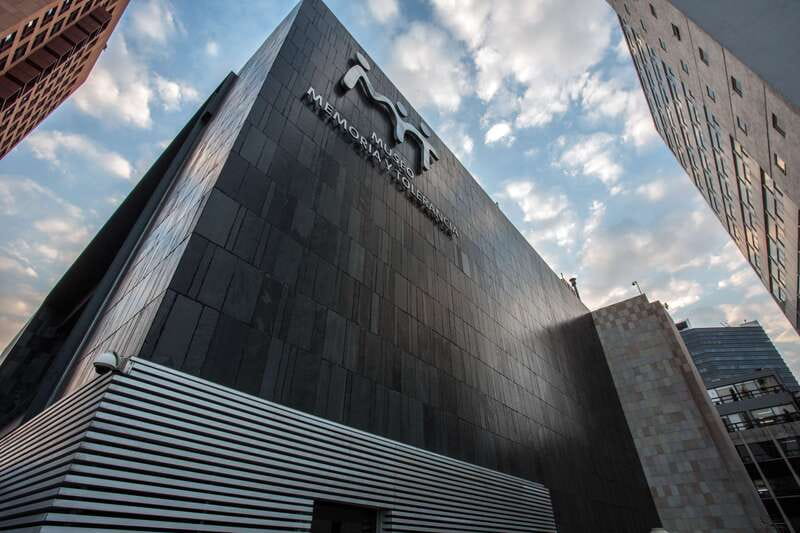
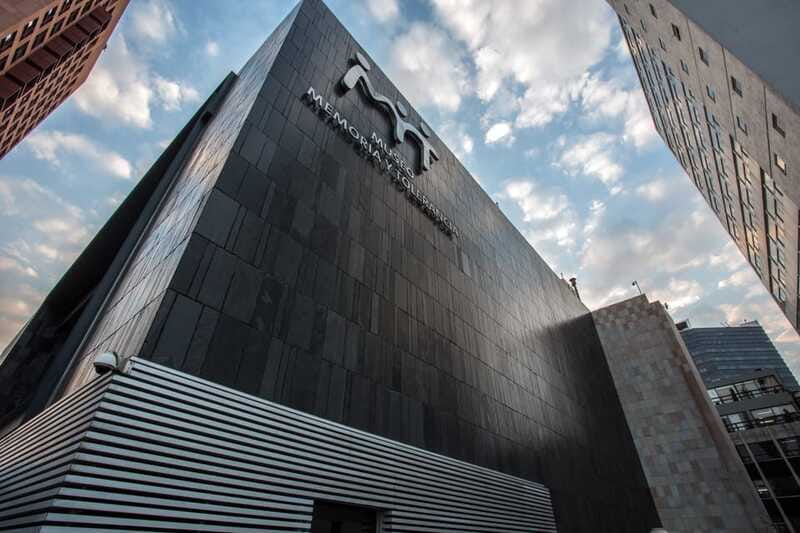
The museum is at Plaza Juárez in downtown Mexico City. It is next to the Secretaría de Relaciones Exteriores and directly across from the Hemiciclo a Juárez, so the meeting point is easy to identify once you are in the area.
Because the ticket is valid for one day, you can plan the museum as a main activity rather than a quick stop between attractions. Check the available starting times before booking. The stated duration is one day, but no exact visit length is given, so your timing will depend on how closely you follow the audioguide and how long you spend with the temporary exhibitions and installations.
Food and drinks are not allowed inside. Have anything you need before entering, and expect to keep the galleries focused on the exhibits.
The museum is wheelchair accessible. That makes the long visit more practical for people who need step-free access, although the information provided does not specify details about every gallery or facility.
Who should visit, and who may want to skip it
I recommend this museum to adults, older teenagers, teachers, students, and anyone interested in human rights, genocide studies, modern history, or the role of art in public education.
It also suits visitors who want a serious cultural stop in downtown Mexico City. The museum offers more than a collection of historical objects. It asks you to think about how memory can shape present behavior.
I would be cautious about bringing children under 15. They must be accompanied by an adult, and the permanent exhibition is specifically recommended for older visitors. The subject matter includes mass violence and persecution, so age and emotional readiness matter more here than at a typical city museum.
You may also want to skip it if you are looking for a cheerful or relaxing attraction. This is a demanding visit. Even the art installations, some of which carry hopeful messages, are placed within a difficult historical setting.
Is the Museo Memoria y Tolerancia worth booking?
Book it if you want a serious, well-organized museum visit that connects the Holocaust with other genocides and turns history toward tolerance and human rights. The Anne Frank material, World War II train wagon, Berlin Wall fragment, and works by Jan Hendrix give the experience strong visual anchors.
The English or Spanish audioguide is useful, the temporary exhibitions are included, and $13 is fair for the amount of material on offer. Just plan for a thoughtful visit rather than a fast attraction, and give yourself time to pause.
Skip it only if your schedule is too tight for 43 rooms or if you are not ready for difficult subject matter. For the right visitor, this is one of Mexico City’s most meaningful museum experiences.
FAQ
Where is the Museo Memoria y Tolerancia?
It is in Plaza Juárez in downtown Mexico City, next to the Secretaría de Relaciones Exteriores and across from the Hemiciclo a Juárez.
How long is the ticket valid?
The ticket is valid for one day.
Is an audioguide included?
Yes. An audioguide is included in Spanish and English.
What does the permanent exhibition cover?
It covers the Holocaust and other genocides and crimes against humanity, including those in Armenia, Rwanda, Guatemala, Cambodia, Darfur, and the former Yugoslavia.
Are temporary exhibitions included?
Yes. The admission includes a visit to the temporary exhibitions.
Can children visit the museum?
The permanent exhibitions are recommended for children older than 15. Children younger than 15 must be accompanied by an adult.
Just added in Mexico City
- Teotihuacan from Mexico City with early access★ 4.7 · 49 reviews
- Teotihuacan Pyramids: Guided Tour with Entry Ticket Included★ 4.1 · 45 reviews
- Teotihuacan Pyramids: Skip-the-Line Ticket★ 3.8 · 98 reviews
- From Mexico City: Puebla and Cholula Day Tour★ 4.2 · 194 reviews
- Nevado De Toluca: Reach the Summit with Professionals★ 4.8 · 250 reviews
- Mexico City: Xochimilco Boat with Guacamole & Premium Drinks★ 4.8 · 32 reviews
- Mexico City: Vegan and Vegetarian Street Food Adventure★ 4.8 · 65 reviews
- Mexico City tour & Anthropology Museum Tour★ 4.4 · 34 reviews
Tours in Mexico City, compared.
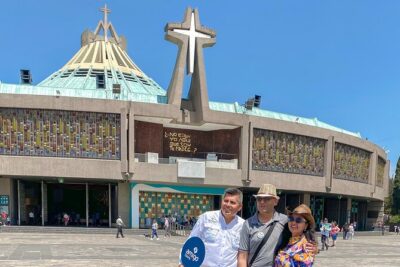
Teotihuacan, Guadalupe Shrine & Tlatelolco Day Tour with Lunch
Read our review →
Xochimilco, Coyoacan and Frida Kahlo with Optional Lunch
Read our review →
Balloon flight + Breakfast in cave + Pyramids + Pick up CDMX.
Read our review →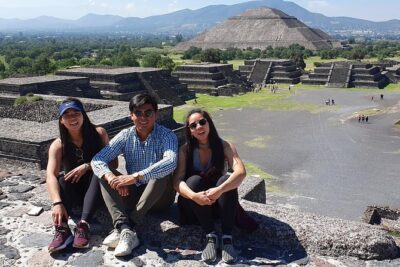
Teotihuacan pyramids morning or afternoon without tourist traps
Read our review →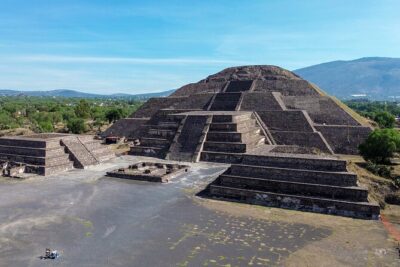
Teotihuacan Early Access Guided Tour with optional Lunch
Read our review →
Teotihuacan Hot Air Balloon Flight from Mexico City / Volare
Read our review →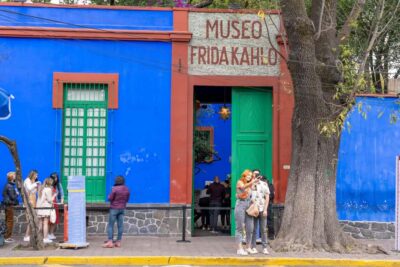
Xochimilco, Coyoacan, Frida Kahlo Museum & Murals Tour
Read our review →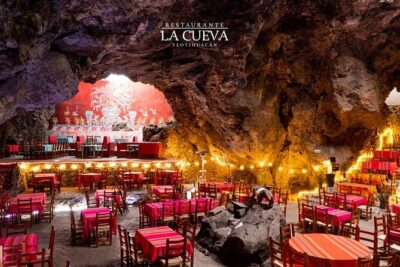
Hot Air Balloon Flight with Breakfast Cave and Pyramids Tour
Read our review →Browse the lists this tour appears in