
Reviewed · TOURS IN MEXICO CITY
Mexico City Must-see Buildings & Palaces
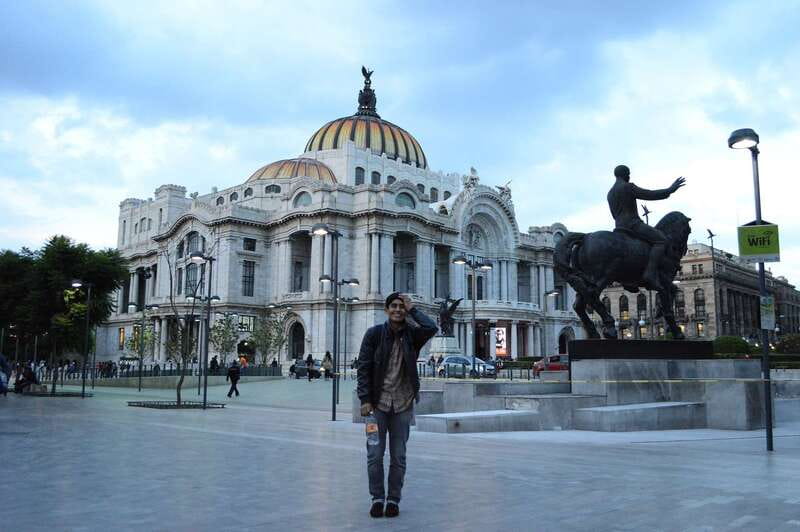
Mexico City’s grandest buildings are packed into a walkable slice of the historic center, and this four-hour tour gives you a useful first look at the city’s art, money, mail, and cultural life. You begin at Palacio de Bellas Artes, then move through the Postal Palace, MUNAL, and the Bank of Mexico’s bill-making facility.
I like the smart mix of subjects: Mexican art from the sixteenth through twentieth centuries at MUNAL, then the gleaming architecture of the Palacio de Correos. I also like having a guide to explain Bellas Artes, where the murals and building details can blur together without context.
The main drawback is pace. Four stops in four hours leaves limited time for lingering, and the Bank of Mexico visit may feel less compelling if monetary history is not your thing. MUNAL can also be inaccessible for reasons beyond the operator’s control.
Key points before you book
- Bellas Artes anchors the tour: Begin and finish near Mexico City’s best-known cultural building, with about an hour for a guided visit.
- The Palacio de Correos is a short, worthwhile stop: You get roughly 20 minutes to see its ornate interior and unusual mix of architectural influences.
- MUNAL brings the art context: The collection covers work from the second half of the sixteenth century to the early twentieth century.
- The Bank of Mexico adds an unusual angle: Learn how Mexican money is produced during a 35-minute self-guided visit.
- Ruben has received special praise: His explanations of Mexican art, history, and Bellas Artes were singled out as a major strength.
- The tour is built for walking: The transfers between stops take about 10 minutes each, so comfortable shoes matter.
Why these four buildings make a good introduction
This is not a general city sightseeing walk. It is a focused tour of major buildings in central Mexico City, with each stop offering a different way to understand the capital.
At Bellas Artes, you look at national culture and public art. At the Postal Palace, architecture takes center stage. MUNAL gives you paintings and sculpture across several centuries, while the Bank of Mexico shifts the subject to currency and the country’s financial system.
That range is the tour’s best idea. You are not spending four hours looking at four versions of the same monument. Instead, you get a compact lesson in how Mexico City presents its identity through art, architecture, government, and commerce.
The route also makes practical sense. The stops are close enough to reach on foot, with three walks of about 10 minutes. You do not lose time to a bus or van between attractions, and you get to see the historic center at street level.
Other trips people book in Mexico City:
- Teotihuacan, Guadalupe Shrine & Tlatelolco Day Tour with Lunch
★ 5.0 · 11,603 reviews - Xochimilco, Coyoacan and Frida Kahlo with Optional Lunch
★ 4.5 · 7,320 reviews - Balloon flight + Breakfast in cave + Pyramids + Pick up CDMX.
★ 5.0 · 6,335 reviews
Starting at Palacio de Bellas Artes
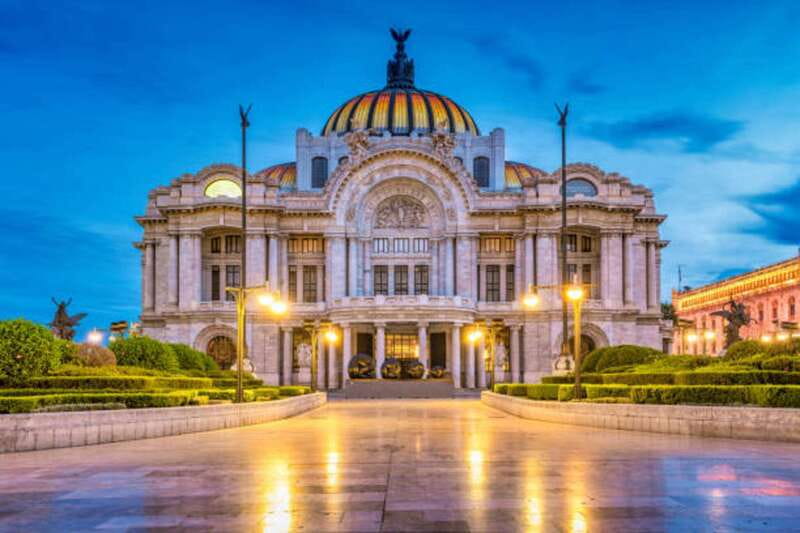
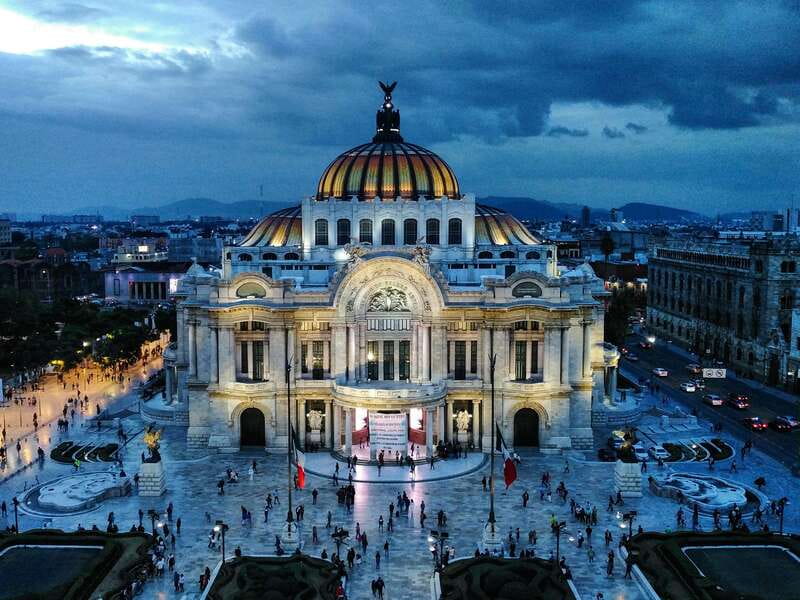
Meet the Amigo Tours guide at the Palace of Fine Arts at 9:50 a.m. The itinerary places Bellas Artes first, with about an hour for a guided visit. The building’s white marble exterior is the visual centerpiece of the morning, but the indoor murals are the real reason to allow time here.
Palacio de Bellas Artes is Mexico City’s main center for artistic and cultural activity. Its upper floors contain murals, and the tour is designed to help you understand what you are seeing rather than simply take a quick photo and move on.
I would pay close attention to the guide’s explanation here. One detailed account of the tour singled out Ruben for making Bellas Artes much more meaningful through clear discussion of the art and the building. That is useful because the palace can be visually overwhelming. A good explanation gives you a way to sort the architecture, murals, and cultural role into a coherent picture.
The building is also a strong first stop because it gives you an immediate sense of Mexico City’s public ambition. You are starting with a palace meant to represent art on a national scale, not a small neighborhood museum.
A ten-minute walk to the Postal Palace
The walk to the Palacio de Correos de México takes about 10 minutes. This short transfer is part of the appeal. You get a quick look at the historic center instead of moving straight from one indoor space to another.
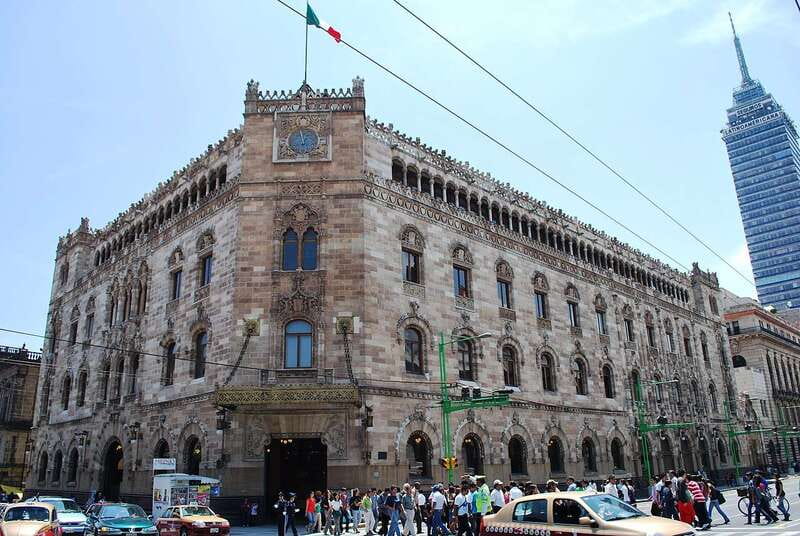
The Postal Palace is still in use, which gives the visit a practical edge. You are not only admiring a preserved monument. You are seeing a working postal building with a highly decorative interior.
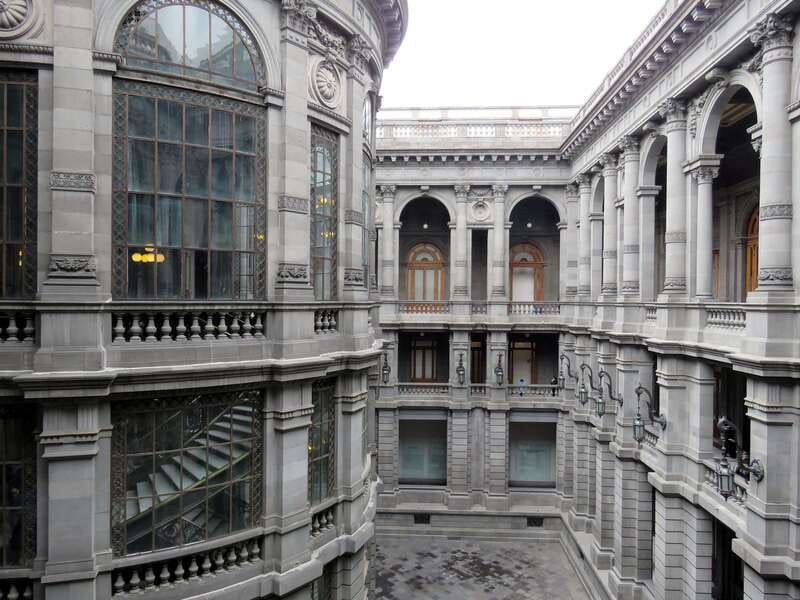
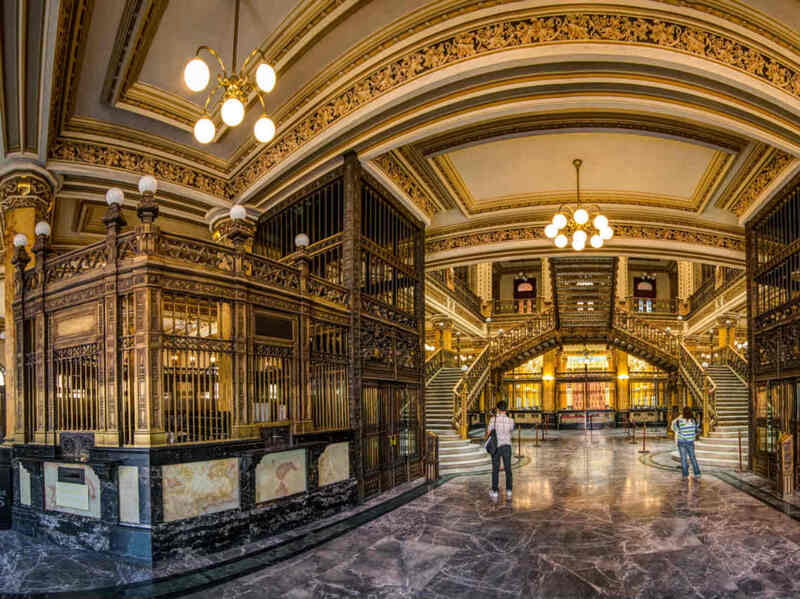
The architecture is famously hard to label. Its details have been linked to Art Nouveau, Moorish design, Venetian Gothic Revival, Baroque, and Neoclassical styles. The tour description openly recognizes this debate rather than forcing one answer, which is a sensible approach. You can look at the building and decide which influence seems strongest to you.
The gold-plated interior is the main visual reward. Since the stop lasts about 20 minutes, you should expect a concentrated visit rather than a long architectural study. That timing works for a first visit, but anyone with a special interest in historic design may wish for more freedom to look around.
This is also one of the easiest stops to appreciate without an art background. The ornate surfaces and unusual combination of styles make an impression quickly. The guide’s role is to add meaning to the details and explain why the building looks unlike a standard post office.
MUNAL and centuries of Mexican art
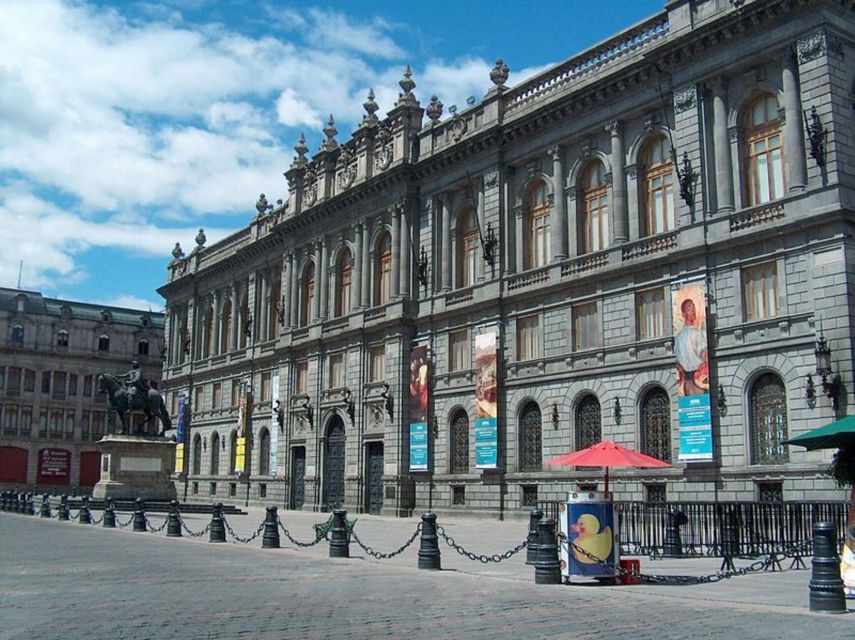
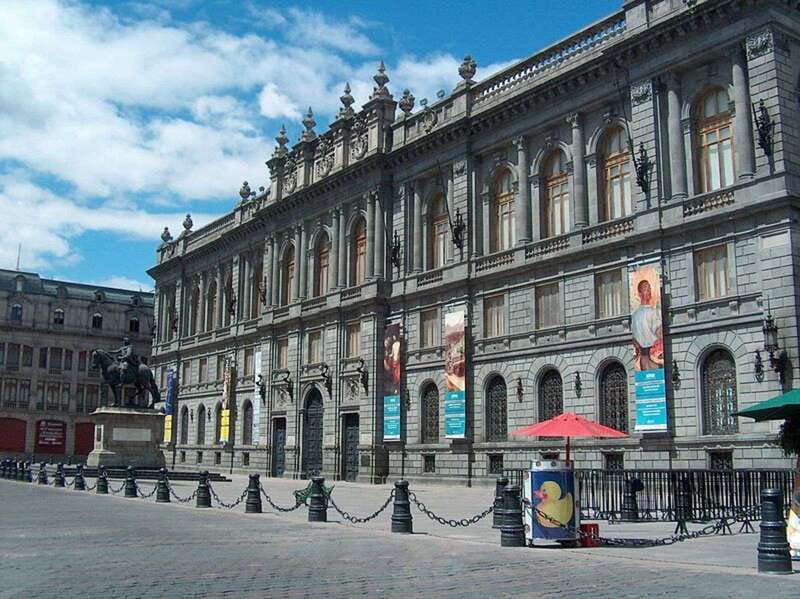
Another 10-minute walk brings you to the Museo Nacional de Arte, usually called MUNAL. You have about 40 minutes here, enough for an introduction to the collection but not enough to see every room in depth.
The museum covers Mexican art from the second half of the sixteenth century to the first part of the twentieth century. That broad span matters. You can see how artistic priorities changed across several periods, rather than treating Mexican art as one single style.
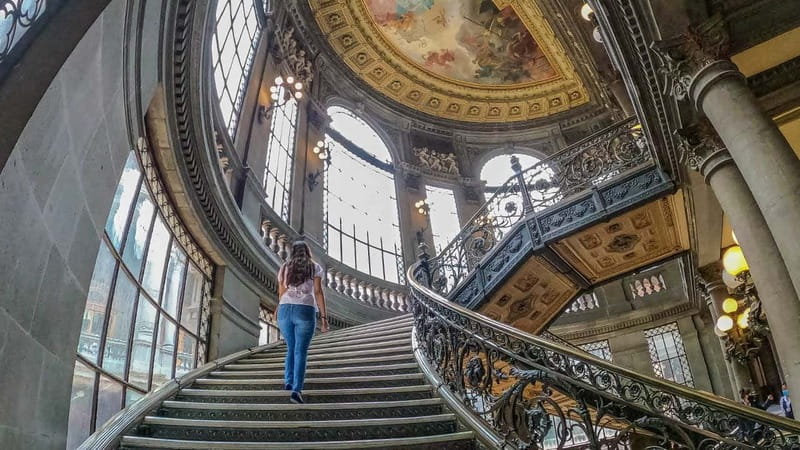
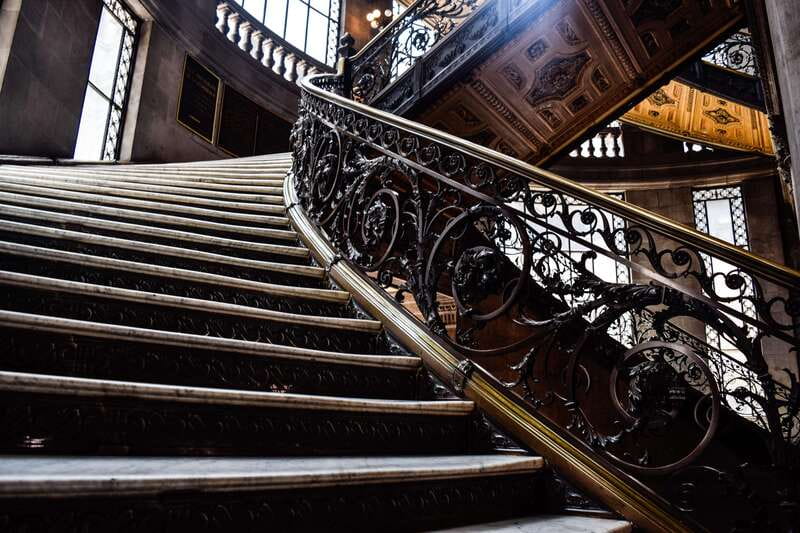
The building itself is part of the attraction. It sits in the historic center, so your visit connects the museum’s art to the city around it. One particularly useful detail is the spiral staircase, which offers a memorable photo point and gives the building a strong sense of movement.
I would treat MUNAL as a guided introduction, not a complete museum visit. The collection is extensive, while the scheduled time is short. If you already know you want to spend hours with the paintings, sculptures, and rooms, you may want to return independently after the tour.
The guide makes a real difference here. Ruben was praised for bringing Mexican art and history to life with detailed explanations. That kind of help is valuable at MUNAL, where dates, artists, and styles can otherwise become a long blur of names.
There is one important uncertainty. For reasons of force majeure, MUNAL may be inaccessible. If the museum cannot open during your visit, the exact experience may change, so keep that possibility in mind when deciding how much of your day depends on this stop.
Same base, a different sort of day:
- Teotihuacan pyramids morning or afternoon without tourist traps
★ 5.0 · 6,186 reviews - Teotihuacan Early Access Guided Tour with optional Lunch
★ 4.5 · 6,138 reviews - Balloon flight + pick up in CDMX + Breakfast in Cave + Pyramids
★ 5.0 · 5,651 reviews - Balloon Flight + Cave Breakfast + Pick Up from CDMX or We Fly
★ 5.0 · 4,410 reviews
The Bank of Mexico’s bill-making facility
The final scheduled visit is to Banco de México Fábrica de Billetes, reached after another 10-minute walk. This section lasts about 35 minutes and is listed as self-guided, unlike the guided visits at Bellas Artes, the Postal Palace, and MUNAL.
This is the tour’s most unusual stop. Instead of another collection of historic art or architecture, you get an introduction to how Mexican money is produced and to the country’s monetary system. The visit gives the morning a practical subject that the other buildings do not cover.
The stop will suit you best if you enjoy currency, banking, and the mechanics behind national economies. One detailed account found the facility less compelling than the other locations for someone who was not especially interested in Mexico’s monetary system, though it still included some worthwhile sights.
That is a fair warning. The Bank of Mexico is not the emotional high point of the tour, and it is not meant to be. Its value comes from variety and access to a subject most city tours skip. If you are curious about how a peso goes from a national symbol to a manufactured object, this section adds a useful layer.
Because the visit is self-guided, you should not expect the same continuous storytelling you receive at Bellas Artes or MUNAL. The change in format may feel slightly abrupt after several guided stops. It is best approached as a concise, focused final chapter rather than the grand finale of the morning.
Walking time, pace, and group options
The experience lasts four hours and uses walking as the main way to move between buildings. Each transfer is listed at about 10 minutes, so the route is manageable for most people who are comfortable walking through a city center.
The tour is wheelchair accessible, and a private group is available. The standard tour has a live guide in Spanish or English. Since the route includes several timed visits, you should arrive at the meeting point before the 9:50 a.m. start.
The pace is organized, but not leisurely. Bellas Artes receives the most time at one hour, followed by MUNAL at 40 minutes and the Bank of Mexico at 35 minutes. The Postal Palace receives about 20 minutes. That arrangement tells you what the tour considers most substantial, but it also means you cannot wander freely at every stop.
Wear comfortable shoes and keep your schedule clear for the full four hours. Food and drinks are not included, so plan to eat before or after the tour rather than expecting a break during the route.
The listed drop-off points are Palacio de Bellas Artes and Banco de México Fábrica de Billetes. The route information also describes the tour as ending at Bellas Artes, so confirm your preferred end point when booking or meeting the guide.
How good is the $48 value?
At $48 per person, this is not the cheapest way to look at Mexico City’s historic center. The fee includes a certified professional guide and entrance fees for all four listed attractions, so the price is easier to justify if you want structured visits rather than only exterior views.
The value rests mainly on the guide. You are paying for access, organization, and explanation. The buildings are close together, but knowing where to go and understanding what you are looking at can turn a quick morning into a useful introduction to the city.
Ruben appears to be a particularly strong match for visitors who want art and history explained in detail. His work was praised for making Bellas Artes more understandable and for adding depth to the art stops. Guides can vary, of course, so the actual experience may depend on who leads your group.
The price feels strongest for a first visit to Mexico City, especially if you are short on time. You can cover four major places without working out the route, buying separate admissions, or trying to decide which rooms matter most.
The value is less clear if you already know these buildings well or want long, independent museum visits. The 20-minute Postal Palace stop and 40-minute MUNAL visit may feel brief to a serious architecture or art enthusiast.
Who should book this tour?
I would recommend it to a first-time visitor who wants a clear introduction to central Mexico City without spending a full day on one museum. It is also a good choice if you enjoy buildings as much as paintings, since the route balances architecture, art, public institutions, and money.
It suits you especially well if you want English or Spanish guidance and prefer a planned route. The tour is also useful for anyone who might overlook the Postal Palace or the Bank of Mexico when planning alone.
Families and mixed-interest groups may appreciate the variety. A person interested in art can focus on Bellas Artes and MUNAL, while someone less drawn to museums may find the Postal Palace and currency facility more engaging.
I would hesitate if your main goal is a slow museum day. MUNAL alone could easily deserve more than 40 minutes, and the tour’s schedule leaves little room to stop for a long look, a snack, or an unplanned discovery.
Final decision: a strong introduction with one optional-feeling stop
Book this tour if you want a well-organized four-hour overview of Mexico City’s most important central buildings. The strongest parts are the guide-led visits to Bellas Artes and MUNAL, along with the beautiful, still-working Postal Palace.
The Bank of Mexico makes the route more distinctive, but it is also the stop most likely to feel secondary. If Mexican currency and banking do not interest you, you may find the final 35 minutes less rewarding than the art and architecture earlier in the morning.
At $48, the tour earns its price through admission fees, a certified guide, and a compact route that would take more planning to assemble yourself. I would choose it early in a Mexico City stay, then return to MUNAL or Bellas Artes later if one of those buildings catches your attention.
FAQ
How long does the Mexico City Must-see Buildings and Palaces tour last?
The tour lasts four hours.
Where does the tour meet?
Meet the Amigo Tours guide at Palacio de Bellas Artes at 9:50 a.m.
Which buildings are included?
The route includes Palacio de Bellas Artes, Palacio de Correos de México, the Museo Nacional de Arte, and Banco de México Fábrica de Billetes.
Is the tour guided in English?
Yes. Live guiding is available in English and Spanish.
Are entrance fees included?
Yes. Admission to the National Museum of Art, National Bank of Mexico, Postal Palace of Mexico City, and Palace of Fine Arts is included.
Is food included?
No. Food and drinks are not included.
Is the tour wheelchair accessible?
Yes, the activity is listed as wheelchair accessible.
Can I book a private group?
Yes. A private group option is available.
Just added in Mexico City
- Teotihuacan from Mexico City with early access★ 4.7 · 49 reviews
- Teotihuacan Pyramids: Guided Tour with Entry Ticket Included★ 4.1 · 45 reviews
- Teotihuacan Pyramids: Skip-the-Line Ticket★ 3.8 · 98 reviews
- From Mexico City: Puebla and Cholula Day Tour★ 4.2 · 194 reviews
- Nevado De Toluca: Reach the Summit with Professionals★ 4.8 · 250 reviews
- Mexico City: Xochimilco Boat with Guacamole & Premium Drinks★ 4.8 · 32 reviews
- Mexico City: Vegan and Vegetarian Street Food Adventure★ 4.8 · 65 reviews
- Mexico City: Ticket de entrada Museo Memoria y Tolerancia★ 4.8 · 68 reviews
Tours in Mexico City, compared.
Teotihuacan, Guadalupe Shrine & Tlatelolco Day Tour with Lunch
Read our review →
Xochimilco, Coyoacan and Frida Kahlo with Optional Lunch
Read our review →
Balloon flight + Breakfast in cave + Pyramids + Pick up CDMX.
Read our review →
Teotihuacan pyramids morning or afternoon without tourist traps
Read our review →
Teotihuacan Early Access Guided Tour with optional Lunch
Read our review →
Teotihuacan Hot Air Balloon Flight from Mexico City / Volare
Read our review →
Xochimilco, Coyoacan, Frida Kahlo Museum & Murals Tour
Read our review →
Hot Air Balloon Flight with Breakfast Cave and Pyramids Tour
Read our review →Browse the lists this tour appears in