

Reviewed · TOURS IN MEXICO CITY
Mexico City: Hop-On Hop-Off Bus City Tour
Mexico City is too large to understand from one neighborhood, and this three-circuit bus pass gives you a useful first look. In one day, you can move from the Zócalo and Reforma to Polanco, the Basilica of Guadalupe, Coyoacán, San Ángel, and the UNAM campus without arranging separate rides.
I like the freedom to hop off when something catches your eye, then rejoin the route later. I also like that the pass covers 24 hours from first activation, not just a single calendar day. The main caution is the audio guide: one verified complaint reported unstable WiFi that made the English commentary impossible to hear, so bring patience and do not treat the narration as your only source of information.
Key points at a glance

- Three routes cover very different sides of the city: Green reaches Reforma, Roma, Condesa, and Polanco; Yellow heads toward temples and Guadalupe; Blue goes south to Coyoacán, San Ángel, and UNAM.
- The Zócalo is your natural starting point: Use the central square to get oriented before choosing a route.
- The 24-hour ticket offers flexibility: Activate it when you are ready to ride, then use it through the following 24 hours.
- The audio guide adds background on the monuments: Bring headphones, since they are not provided.
- Sunday routes can change: The Ciclotón closes some streets from 8:00 to 14:00, so the bus uses alternate roads.
- The price is modest for a city this spread out: At $20, it works best as both sightseeing and transport, not as a full replacement for focused museum visits.
Why this bus works well for a first day in Mexico City

At $20 per person, this is a practical way to cover ground in a capital that can feel like several cities joined together. The central districts, northern religious sites, and southern neighborhoods are not all close to one another, and the three routes let you compare their character without paying for separate transfers.
I would use the bus first as a city orientation tool. Sit up top if available, watch the streets change, and note where you want to return on foot. Then hop off at one or two places that deserve more time. Trying to complete every stop and every circuit in one day would turn the experience into a long ride with hurried breaks.
The ticket is valid for 24 hours from first activation. That matters if you start late in the morning or want to ride again the next day at roughly the same time. It also gives you room to pause for a museum or meal, although food and drinks are not allowed on the bus itself.
You will exchange your reservation for a bracelet with staff wearing pink vests. Arrive about 10 minutes early so you are not sorting this out while the bus is ready to leave. You need a passport or ID card, and comfortable clothing is a sensible choice for a day that may include long stretches in the open air.
Other trips people book in Mexico City:
- Teotihuacan, Guadalupe Shrine & Tlatelolco Day Tour with Lunch
★ 5.0 · 11,603 reviews - Xochimilco, Coyoacan and Frida Kahlo with Optional Lunch
★ 4.5 · 7,320 reviews - Balloon flight + Breakfast in cave + Pyramids + Pick up CDMX.
★ 5.0 · 6,335 reviews
Green Circuit: Zócalo, Reforma, Roma, Condesa, and Polanco
The Green Downtown to Polanco circuit is the best all-purpose introduction to central Mexico City. It begins with a panoramic view of the Zócalo, the huge main square at the heart of the capital. This is the place to get your bearings: major streets, historic buildings, and the scale of the city become easier to understand from here.
From the center, the route reaches Reforma Avenue, one of the city’s grandest thoroughfares. The avenue is lined with major buildings and monuments, including the Angel of Independence and Diana the Huntress. These are not minor roadside decorations. They are useful visual markers, and the audio guide can help explain why Reforma matters to the city’s public identity.
The Angel of Independence is especially easy to recognize, with its golden figure high above the traffic. Diana the Huntress offers a different style of civic monument. Seeing both from the bus gives you a quick sense of how Mexico City uses its central avenues to display national symbols and urban pride.
The Green route also passes through Roma and Condesa. These neighborhoods offer a change from the formal scale of the Zócalo and Reforma. You will see a more local, residential side of the capital, with tree-lined streets and a café-oriented feel suggested by the neighborhood names and route coverage. The bus is useful here because you can look around before deciding if either area deserves a separate walking visit.
Polanco gives the circuit another shift in mood. It is known here as one of the trendy neighborhoods on the route, so it makes a good contrast with the historic center. If you want a broad sample of Mexico City in a single ride, Green is the route I would prioritize.
The drawback is that a panoramic pass cannot give every stop the time it deserves. Reforma, Roma, Condesa, and Polanco each reward walking, but the bus only gives you the first impression unless you get off. Pick your stops before boarding again.
Yellow Circuit: museums, temples, and Guadalupe
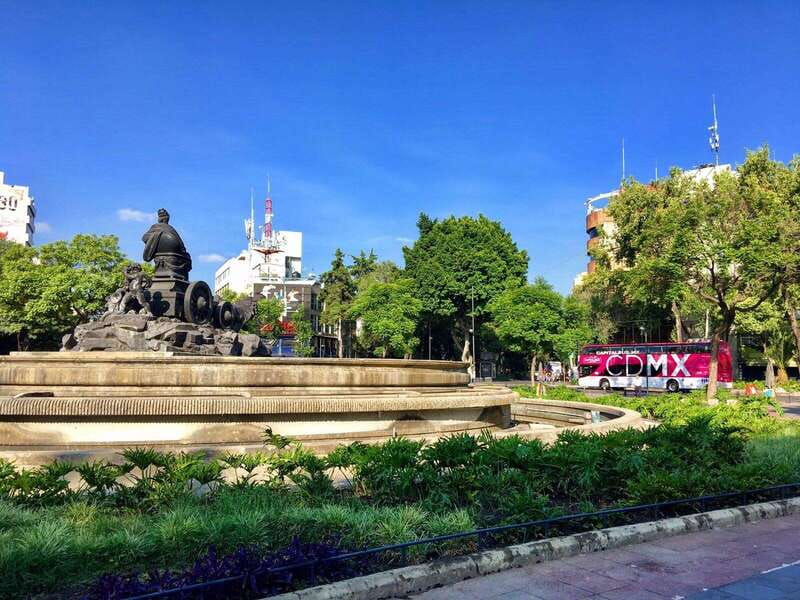
The Yellow Downtown to Temples circuit is the most useful choice if monuments and religious sites are your main interest. It includes the Franz Mayer Museum, the Basilica of Guadalupe, the Temple of San Judas Tadeo, and the Benito Juárez Hemicycle.
The Franz Mayer Museum gives the route a cultural stop rather than only a street view. The provided information does not specify its opening hours or admission arrangements, so check those separately if you plan to go inside. The bus can get you close to the area, but your ticket does not include museum entry.
The Basilica of Guadalupe is the major northern highlight. It is one of Mexico City’s best-known religious destinations, and its inclusion makes Yellow more than a general sightseeing circuit. If this is a priority, allow time to get off rather than relying on a quick view from the road.
The Temple of San Judas Tadeo adds another religious landmark to the route. Its presence gives the circuit a more specific focus than the Green route, which is centered on avenues and neighborhoods. You can use the bus to compare the city’s public monuments with places of active worship.
The Benito Juárez Hemicycle is one of the important monuments included on this circuit. It provides another look at Mexico’s political and civic memory, with the audio guide intended to supply background as you pass.
Yellow may be less immediately scenic than Green or Blue if you simply remain on board. Its value comes from choosing a meaningful stop, especially Guadalupe or the museum. I would not select it only to collect another bus ride. Select it because the sites fit your interests.
Blue Circuit: Coyoacán, San Ángel, and UNAM
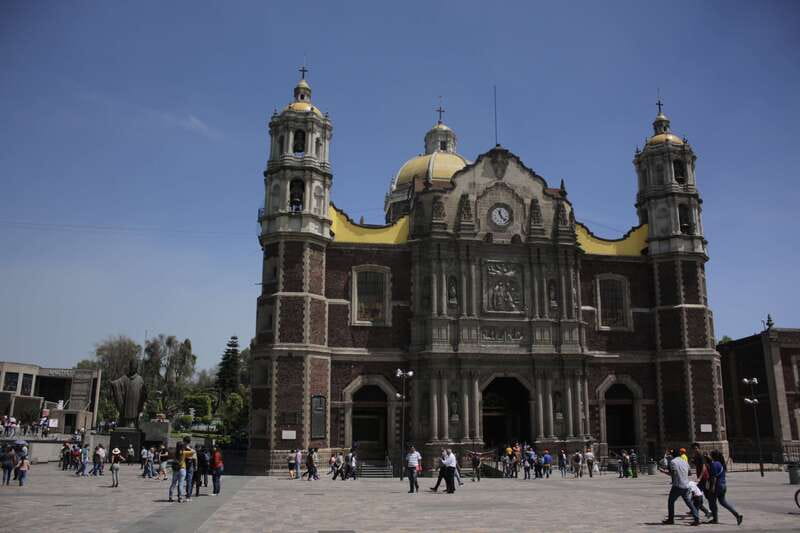
The Blue Downtown to South circuit is the strongest route for a slower afternoon. It reaches Coyoacán, the parks of San Ángel, and the campus of the National Autonomous University of Mexico, known as UNAM.
Coyoacán is the headline stop. The neighborhood is also where you can visit Frida Kahlo’s Blue House Museum. The bus ticket does not include admission, and the information provided does not promise entry or a reserved time, so plan this as a separate visit if you want to go inside.
That distinction matters. A museum stop can take far longer than a photo stop, and the Blue route also includes San Ángel and UNAM. If Frida Kahlo’s museum is your main goal, allow enough time off the bus rather than trying to fit it into a hurried circuit.
San Ángel brings parks and a more relaxed setting to the route. The mention of its beautiful parks is a good reminder to leave the bus for a walk. Here, the benefit of hop-on service is clear: you can use the ride to reach the area, then spend time outside before continuing.
UNAM adds a major educational and civic site to the southern circuit. The campus is one of the city’s important landmarks, and its inclusion makes Blue useful for people who want more than the standard central sights. You get a broader picture of how Mexico City spreads south beyond the historic core.
Blue is also the route most likely to punish poor timing. Coyoacán, San Ángel, and UNAM are separate stops with their own appeal. If you start late, choose one or two rather than trying to see all three in a rush.
Same base, a different sort of day:
- Teotihuacan pyramids morning or afternoon without tourist traps
★ 5.0 · 6,186 reviews - Teotihuacan Early Access Guided Tour with optional Lunch
★ 4.5 · 6,138 reviews - Balloon flight + pick up in CDMX + Breakfast in Cave + Pyramids
★ 5.0 · 5,651 reviews - Balloon Flight + Cave Breakfast + Pick Up from CDMX or We Fly
★ 5.0 · 4,410 reviews
The audio guide, WiFi, and what to bring
The onboard audio guide is meant to explain the monuments, streets, and neighborhoods as you pass them. That is helpful on a ride through a city this large, since a name such as the Angel of Independence or Benito Juárez Hemicycle means more when you know why it matters.
Headphones are not included, so bring your own. This is a small detail, but it can affect the whole ride. Shared or built-in sound is harder to follow in traffic, while personal headphones make it easier to listen at your own volume.
There is one important technical concern. A verified booking complaint described unstable WiFi and an inability to hear the English tour. That is only one reported problem, but it is specific enough to take seriously. Test the audio early, and if it fails, treat the ride as a visual introduction rather than depending on every spoken explanation.
Pack a sun hat and wear comfortable clothes. The tour operates rain or shine, so a light weather check before leaving is wise. Umbrellas are not allowed, and food and drinks are also prohibited on the bus. Plan your meals for stops between rides.
The service is wheelchair accessible. Pets are not allowed, except for assistance dogs.
Sunday timing and route changes
The buses operate daily on the Green, Yellow, and Blue circuits. Sunday requires extra planning because Mexico City’s government-run Ciclotón closes some streets from 8:00 to 14:00. During that period, the bus uses alternative streets.
That does not cancel the tour, but it can change the view and the timing. If you want a predictable route, start after 14:00 on Sunday or allow extra flexibility. If you are using the bus to reach a specific stop at a specific hour, confirm the day’s route direction with staff in pink vests.
The tour runs rain or shine. Since the ticket is intended for a full day of movement, the weather can shape how much you enjoy the open-air portions. Comfortable clothing and sun protection are useful even when the forecast looks mild.
Is $20 good value?
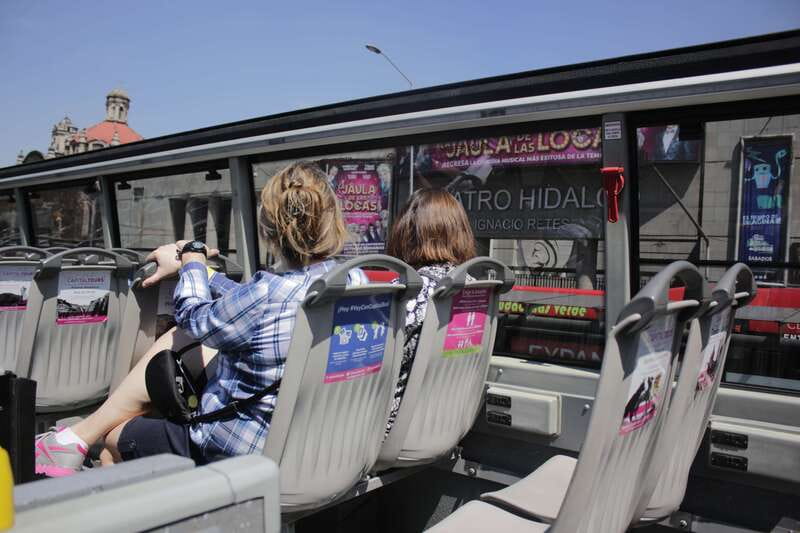
The $20 price is fair if you use the pass for transportation as well as sightseeing. You are not paying for a private guide, reserved museum entry, food, or hotel transfers. You are paying for access to three routes, 24 hours of hop-on service, an audio guide, and travel insurance.
The value rises if you would otherwise arrange several rides between central Mexico City, Guadalupe, and the southern neighborhoods. It is especially useful for a first visit when you do not yet know which areas deserve more time.
The value falls if you want a tightly guided historical tour or plan to visit only one neighborhood. In that case, public transport or a focused walking tour may suit you better. The bus gives you range, not intimate attention.
I would also avoid judging the pass by how many stops you can count. The best use is to ride one circuit for orientation, hop off at a meaningful site, then continue on another route when you are ready. That turns the bus into a flexible city framework rather than a checklist.
How I would plan the day
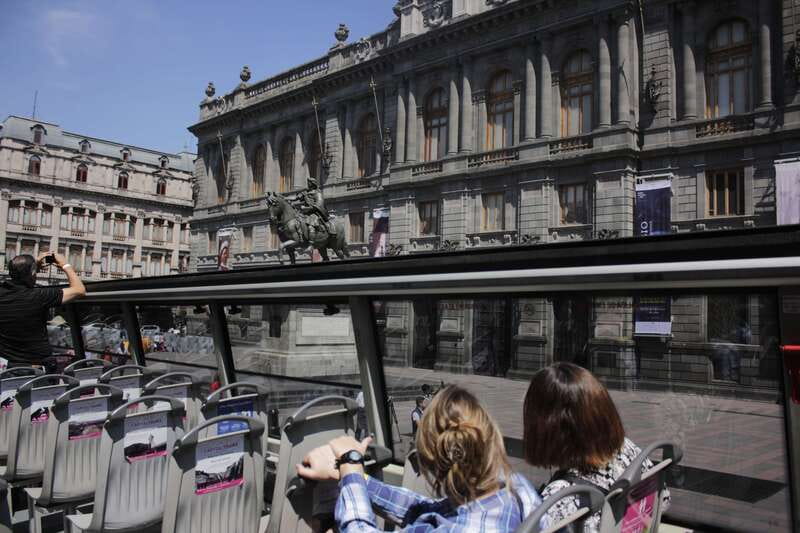
For a first-time visit, I would begin on Green near the central area and use the Zócalo and Reforma portions to understand the city’s layout. Then I would choose either Roma, Condesa, or Polanco for a break, rather than trying to inspect all three.
Next, I would take Blue if Coyoacán, Frida Kahlo’s Blue House Museum, San Ángel, or UNAM matters most. Give this route the larger block of time because the southern sights are distinct and deserve more than a passing glance.
Choose Yellow when Guadalupe, the Franz Mayer Museum, San Judas Tadeo, or civic monuments are central to your plans. You can also use it on a second ride during the 24-hour validity period if your schedule allows.
This plan is not a fixed itinerary. That is the point. Mexico City rewards adjustment, and the hop-on format lets you abandon a route when traffic, weather, or your own curiosity changes the day.
Who should book this bus tour?
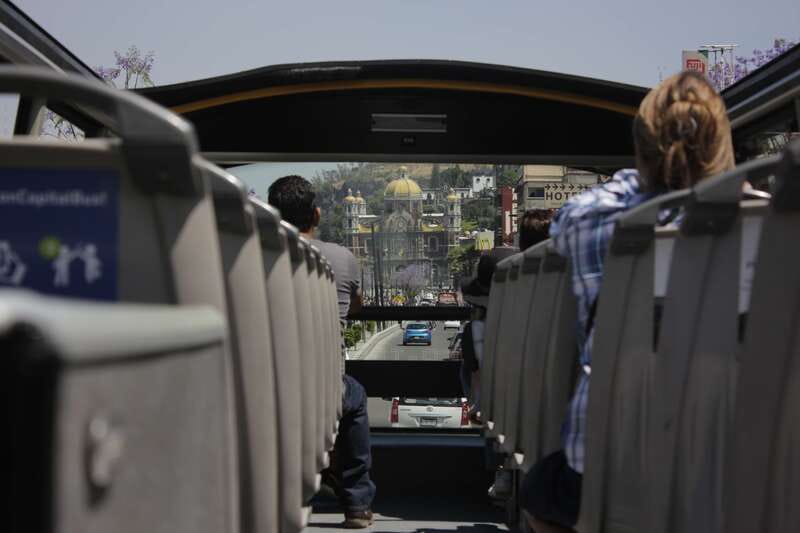
I would recommend it to first-time visitors, families who want a simple overview, and anyone who wants to compare several far-flung parts of Mexico City without arranging each transfer. It is also a good choice if you enjoy sitting back for a while, then making a few carefully chosen stops.
I would be more cautious if you need guaranteed English narration, a detailed personal guide, or reserved admission to Frida Kahlo’s museum. The audio may be affected by WiFi problems, and the pass itself does not include food, museum entry, or hotel pickup.
Book it if you value flexibility and city coverage. Skip it if your plans center on one neighborhood or one museum. For most first visits, $20 is a reasonable price for a broad introduction, provided you bring headphones, check the Sunday timing, and use the routes selectively rather than trying to see everything at once.
FAQ
How long is the ticket valid?
The ticket is valid for 24 hours from the time you first activate it.
How many bus circuits are included?
One ticket includes access to three circuits: Downtown to Polanco, Downtown to Temples, and Downtown to the South.
What are the three circuit colors?
Downtown to Polanco is Green, Downtown to Temples is Yellow, and Downtown to South is Blue.
Is the bus tour available every day?
Yes. All three circuits operate every day.
Are headphones provided?
No. Headphones are not included, so bring your own if you want to use the audio guide.
Is the bus wheelchair accessible?
Yes, the activity is wheelchair accessible.
Can I bring food or drinks on the bus?
No. Food and drinks are not allowed on the bus.
Does the tour operate on Sundays?
Yes. On Sundays from 8:00 to 14:00, the Ciclotón causes the bus to use alternative streets.
Just added in Mexico City
- Teotihuacan from Mexico City with early access★ 4.7 · 49 reviews
- Teotihuacan Pyramids: Guided Tour with Entry Ticket Included★ 4.1 · 45 reviews
- Teotihuacan Pyramids: Skip-the-Line Ticket★ 3.8 · 98 reviews
- From Mexico City: Puebla and Cholula Day Tour★ 4.2 · 194 reviews
- Nevado De Toluca: Reach the Summit with Professionals★ 4.8 · 250 reviews
- Mexico City: Xochimilco Boat with Guacamole & Premium Drinks★ 4.8 · 32 reviews
- Mexico City: Vegan and Vegetarian Street Food Adventure★ 4.8 · 65 reviews
- Mexico City: Ticket de entrada Museo Memoria y Tolerancia★ 4.8 · 68 reviews
Tours in Mexico City, compared.
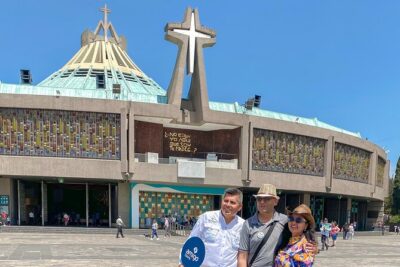
Teotihuacan, Guadalupe Shrine & Tlatelolco Day Tour with Lunch
Read our review →
Xochimilco, Coyoacan and Frida Kahlo with Optional Lunch
Read our review →
Balloon flight + Breakfast in cave + Pyramids + Pick up CDMX.
Read our review →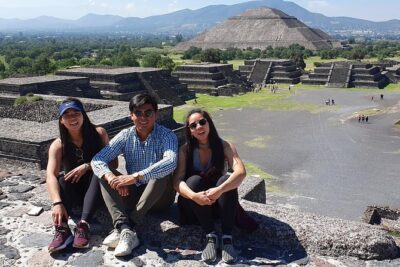
Teotihuacan pyramids morning or afternoon without tourist traps
Read our review →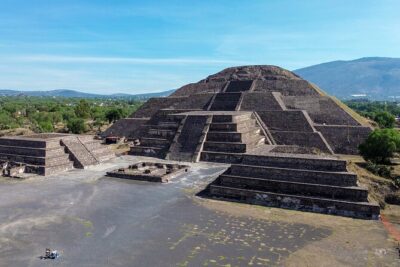
Teotihuacan Early Access Guided Tour with optional Lunch
Read our review →
Teotihuacan Hot Air Balloon Flight from Mexico City / Volare
Read our review →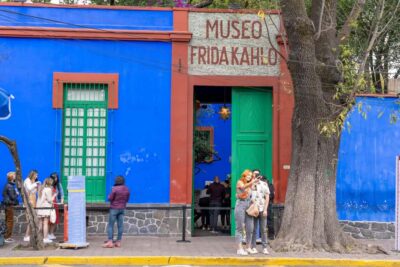
Xochimilco, Coyoacan, Frida Kahlo Museum & Murals Tour
Read our review →
Hot Air Balloon Flight with Breakfast Cave and Pyramids Tour
Read our review →Browse the lists this tour appears in