
Reviewed · CHOCOLATE & CACAO WORKSHOPS
Bean to Bar Chocolate Workshop in Puerto Vallarta
The best part of this Puerto Vallarta activity is that you do more than taste chocolate. You handle cacao, learn how the bean changes from seed to treat, sample several drinks, and finish by making your own chocolate bars with toppings and flavors you choose. The story reaches from the Olmecs and Maya to the Aztecs and European influence.
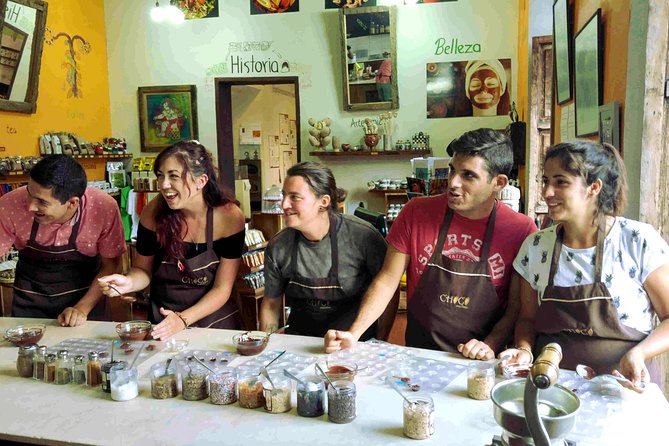
I like the small group size, capped at eight, because it gives you room to ask questions and work at the table. I also like the mix of history and hands-on work. Guides such as Rodrigo, Martin, Elias, and Zoar are praised for keeping children and adults involved. The main thing to consider is the tropical heat. The workshop area has air conditioning during the class, but if you are sensitive to heat, confirm it is running when you arrive.
Quick takeaways from the chocolate table
- You make chocolate to take home: Choose toppings and flavor combinations for your own molded bars.
- The history has real local roots: The lesson covers cacao among the Olmecs, Maya, and Aztecs, then follows its changes over time.
- You taste cacao in several forms: Expect roasted beans, shell tea, hot chocolate, and other chocolate products as part of the lesson.
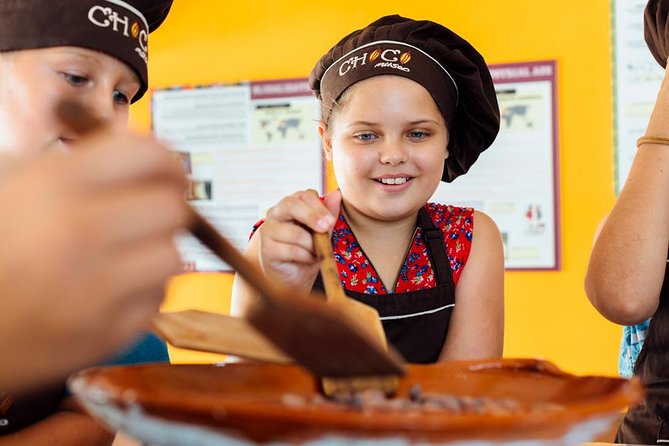
- Children can join: The workshop is open to ages five and up, and several guides have been especially good at keeping younger children engaged.
- The group stays small: A maximum of eight people makes this more personal than a large demonstration.
- Plan your own way there: Transportation is not included, and the class begins and ends at ChocoMuseo in central Puerto Vallarta.
Why this two-hour class works so well
Chocolate is an easy subject to enjoy, but this class gives it a useful sense of place. You are not simply handed a sample and told which one is sweet or bitter. You learn where cacao grows, how the bean is processed, and why it mattered long before modern candy bars appeared.
I especially like the way the workshop connects food with Mexican history. The cacao story includes the Olmecs, Maya, and Aztecs, followed by changes brought through Spanish and European contact. That makes the class more than a cooking activity. You begin to see chocolate as part of trade, ceremony, daily life, and cultural change.
The format also helps. A two-hour session is long enough to explain the subject without taking over your day in Puerto Vallarta. You can fit it between sightseeing, lunch, or an afternoon at the beach. It is also a sensible rainy-day or very hot-day choice, provided the air conditioning is operating as planned.
The price is $62.90 per person. That is not a bargain basement tasting, but the fee includes a guide in the museum, cacao beans, chocolate, toppings, an apron, and a hat for the workshop. You are paying for instruction and participation, not just a box of samples. For a family or couple that wants an activity with something to do, the value is stronger than it would be for someone seeking only a quick taste.
More cacao and chocolate sessions in Puerto Vallarta:
- Finca 18 Puerto Vallarta Tequila Tour + Chocolate Pairing
★ 5.0 · 393 reviews - Chocolate Tour in Vallarta
★ 5.0 · 226 reviews - Tour to Uxmal Kabah and Chocolate Museum from Mérida
★ 4.5 · 102 reviews
Starting at ChocoMuseo in central Puerto Vallarta
You meet at ChocoMuseo Puerto Vallarta, at Josefa Ortiz de Domínguez 128 in the Centro area. The class returns to this same location, so you do not need to arrange a separate end point or worry about a long transfer after the workshop.
Transportation to and from the museum is not included. You will need to make your own way there, but the museum is near public transportation. If you are already exploring central Puerto Vallarta, this makes the activity easy to add to a day in town.
Arrive with enough time to find the museum and settle in. One useful tip is to look around the shop and try available samples before class if you arrive early. That gives you a quick introduction to the range of chocolate products, though the real activity takes place upstairs in the workshop area.
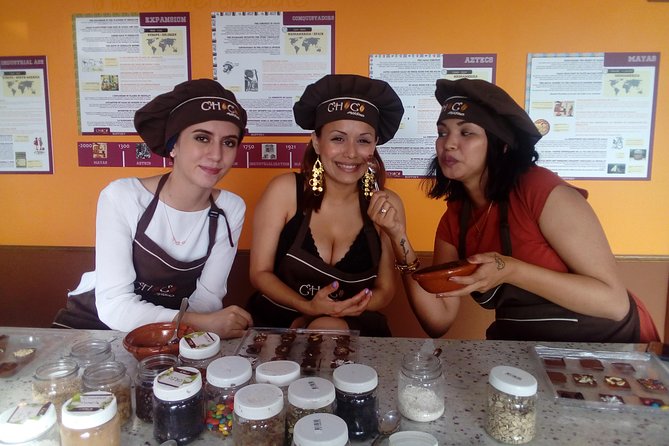
The museum setting matters because the class is not held in an anonymous hotel meeting room. Posters and visual material help explain the cacao process, and the surrounding displays give the subject a physical connection to chocolate making.
Following cacao from plant to chocolate
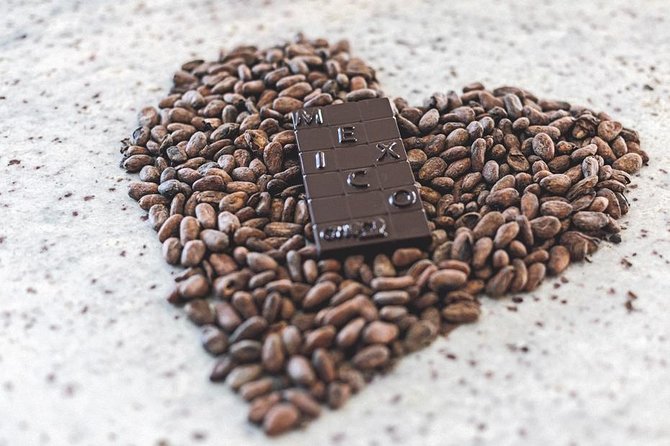
The guided portion begins with cacao itself. You learn where the cocoa bean is grown and how it is changed into chocolate. The process is easier to understand when you can see and handle the raw ingredient, rather than hearing a list of factory steps.
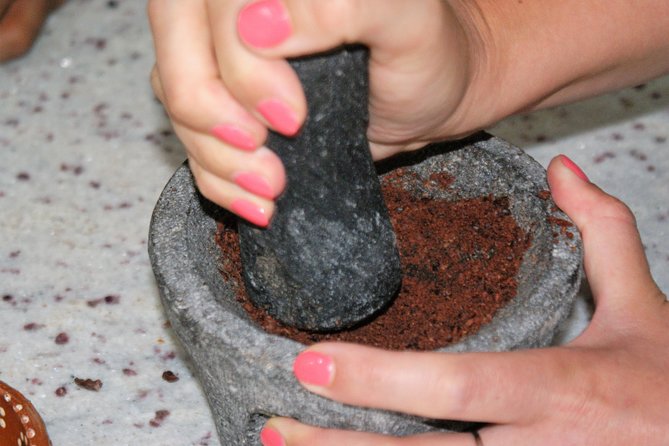
The class can include shelling or handling cacao beans, roasting them, and making tea from the shells. That is a useful reminder that chocolate does not appear as a neat bar at the start. It begins with a bean that needs work, heat, and processing.
You also taste cacao in drink form. Several people describe trying hot chocolate made with the bean and sampling different chocolate drinks as the class moves through the story. This gives you a chance to notice how preparation changes the flavor and texture.
The tasting is not only about sweetness. You may encounter different forms of cacao and chocolate products connected to the history lesson. I like this approach because you have a reason for each sample. The food supports the story instead of interrupting it.
One practical suggestion: bring or buy water for the tasting if you prefer to clear your palate between samples. A past participant specifically wished water had been offered between chocolates. That is a small point, but several sweet and intense samples can add up during a two-hour session.
Making your own bars with toppings
The class ends with the part most children and many adults are waiting for: making chocolate. You work with chocolate and choose toppings or other additions to create your own combination.
The precise selection can vary, but the activity is designed to let you build a customized treat rather than copy a single recipe. You might choose spices or other ingredients, then make molded bars to take with you. That personal choice is what separates this from a standard tasting.
The hands-on work is also well suited to mixed-age groups. Adults can focus on flavor and technique while children enjoy the physical task of filling molds and adding toppings. Guides are expected to keep the group moving, but the small class size gives people a chance to participate rather than simply watch.
Do not expect a professional chocolatier certification in two hours. This is an introductory workshop, with the emphasis on understanding cacao, tasting it in several forms, and making something enjoyable. If you want advanced pastry skills or a long technical lesson on tempering, this may feel light. If you want a practical introduction with an edible result, it fits well.
You receive an apron and hat for the duration of the workshop. Those are useful for keeping the activity tidy, especially with children, but you should still wear clothes you do not mind wearing around chocolate.
Same base, a different sort of day:
- Puerto Vallarta Best Zipline Canopy + Tequila and Speed Boat Ride
★ 5.0 · 3,786 reviews - Winner 2025 Downtown Vallarta Food Tour with Vallarta Food Tours
★ 5.0 · 3,738 reviews - Extreme Adventure, Wildest Bridge, ATV & Ziplines
★ 5.0 · 3,179 reviews - Mega Yacht ALL INCLUSIVE Yelapa Waterfall & Snorkeling Adventure
★ 5.0 · 2,515 reviews
The guides make a real difference
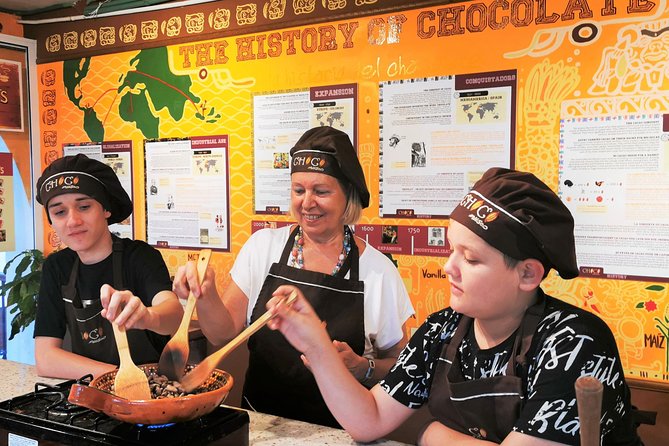
The teaching style is one of the strongest parts of the experience. Rodrigo, often called Rod, is repeatedly praised for being funny, patient, and good at including everyone. He has worked well with families, including children around age five and older children who might otherwise lose interest.
Martin is described as friendly, organized, and strong at explaining how chocolate develops from cacao bean to finished product. Elias has led a chronological presentation that connects cacao’s past to modern chocolate, while Zoar has been praised for enthusiasm and care.
Another guide, Elísio, has been especially effective with family groups. His presentation combined social, cultural, and political history with jokes and samples, keeping children ages nine and thirteen attentive. The names matter because this is a guide-led workshop, not a self-guided museum visit. Your experience may vary by the person leading your session, but the teaching approach is clearly central to the activity.
A good guide also helps when a group includes different ages and attention spans. One class included energetic children, yet the instructor kept the session moving. That is useful information if you are unsure whether a child will manage two hours at a table.
Families, older adults, and practical comfort
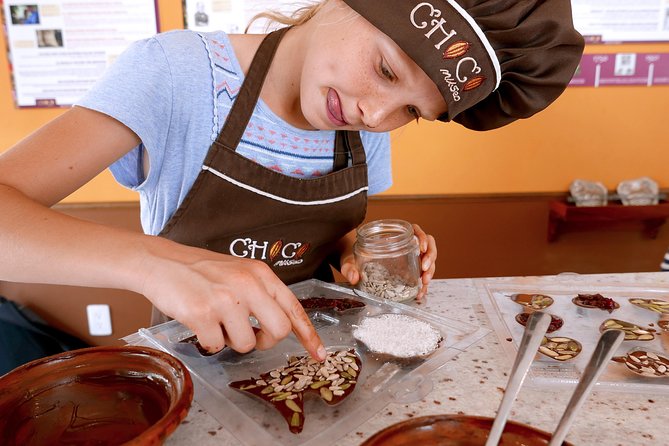
The stated minimum age is five, and the activity has worked well for family groups. A five-year-old can take part, but you should expect to stay involved and help with instructions, toppings, and general patience. The workshop is not a drop-off program.
The physical setup deserves a little thought. The class takes place upstairs, with stairs and handrails. Seating is on counter-height stools. One family with an older adult using a walker and an adult with mobility, vision, hearing, and developmental disabilities was able to participate, but individual needs differ. Contact the provider before booking if stairs or counter-height seating could be difficult.
Service animals are allowed. The activity is near public transportation, and most people can participate, but the provided information does not confirm an elevator or a fully step-free route.
Puerto Vallarta can be hot and humid. One person found the workshop area uncomfortably hot before deciding not to return for the class. The provider states that air conditioning is turned on before and during the workshop. If indoor heat is a serious concern for you, ask at arrival and make sure the room is comfortable before settling in for two hours.
How the group size affects the experience
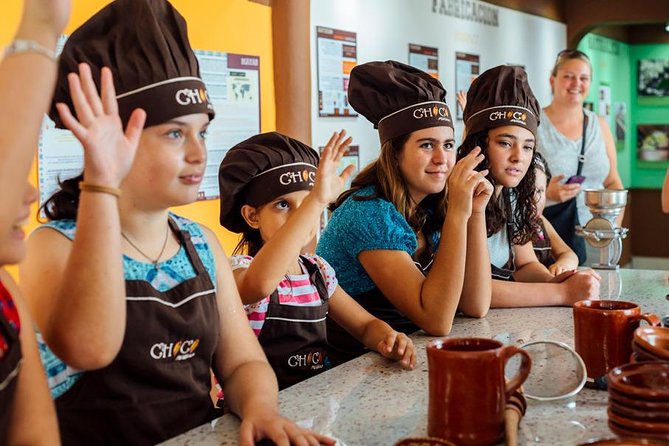
The maximum group size is eight people. That is small enough for the guide to address people by name and watch the chocolate-making process closely. It also keeps the activity from feeling like a lecture delivered to a crowd.
Small groups can make the class more social, especially when people are choosing unusual flavor combinations or comparing their finished bars. The tradeoff is that a small scheduled activity may have less flexibility if you arrive early and want to start immediately. Your booking is for the scheduled time, not an open workshop.
The class is offered in English. That is important if you want to follow the history lesson and instructions without guessing at the process. Confirmation is provided when you book, and the experience is generally booked about 20 days ahead, so planning early is sensible during a busy Puerto Vallarta visit.
What is included and what is not
Your fee includes:
- A guide in the museum
- Cacao beans and chocolate
- Toppings for your creations
- An apron and hat during the workshop
Transportation is not included. Tips are also not included. If you feel the instructor gave you a good class, a customary tip of 15 to 20 percent is suggested.
The shop may have samples and additional products, but the included activity is the workshop itself. Do not assume that extra chocolate purchases, transportation, or other classes are covered by the $62.90 price.
Free cancellation is available up to 24 hours before the start time for a full refund. Inside that 24-hour window, changes and refunds are not accepted. The cutoff follows local Puerto Vallarta time, so keep that in mind if you are booking from another time zone.
Who should book this chocolate workshop?
I would choose this for families, couples, friends, and anyone who wants a short cultural activity with a hands-on finish. It is especially useful when one person in your group enjoys history and another simply wants to make and eat chocolate. The format gives both people something to look forward to.
It also suits a first visit to Puerto Vallarta because the lesson gives you a food-based introduction to Mexico’s past. You will leave with more than a sweet souvenir. You will understand why cacao mattered to earlier civilizations and how the ingredient changed over time.
I would hesitate if you dislike group activities, cannot manage stairs or counter-height stools, or want a serious professional chocolate course. I would also confirm the indoor temperature if your visit falls during very hot weather.
Final call: book it for culture, not just candy
At $62.90, this is worth booking when you want active participation, a clear Mexican history lesson, and chocolate you make yourself. The small group, child-friendly teaching style, and guides such as Rod, Martin, Elias, and Zoar add real value.
Book it if you want a two-hour break from sightseeing that works for several ages. Skip it if you only want a quick tasting or if transportation and a fully accessible, step-free setting are essential. For most families and chocolate fans, this is a tasty and useful way to spend an afternoon in central Puerto Vallarta.
FAQ
Where does the workshop take place?
It takes place at ChocoMuseo Puerto Vallarta, Josefa Ortiz de Domínguez 128, Centro, Puerto Vallarta, Jalisco, Mexico.
How long does the activity last?
The workshop lasts approximately two hours.
What age can join the workshop?
The activity is open to people age five and older.
Is the workshop offered in English?
Yes. The workshop is offered in English.
How many people can join?
The maximum group size is eight people.
What do I make during the class?
You make customized chocolate bars or molded chocolates using chocolate and toppings you choose, then take your creations with you.
What tastings are included?
The class includes cacao beans, chocolate, and tastings that can include roasted beans, cacao shell tea, hot chocolate, and other chocolate products.
Is transportation included?
No. You must arrange your own transportation to and from ChocoMuseo Puerto Vallarta.
Does the workshop end at the museum?
Yes. The activity ends back at the meeting point.
What is the cancellation policy?
You can cancel at least 24 hours before the start time for a full refund. Cancellations or changes made less than 24 hours before the activity are not refunded or accepted.
Just added in Puerto Vallarta
- Whale Watching Experience★ 4.5 · 186 reviews
- Whale Watching Adventure – Led by a Marine Biologist★ 5.0 · 176 reviews
- Puerto Vallarta: Horse Riding Tour w/ Optional ATV & Zipline★ 4.7 · 73 reviews
- Punta de Mita/Sayulita: Horseback Riding Tour★ 4.6 · 59 reviews
- Horseback Riding & Swim: Tequila Tasting, BBQ & Margaritas★ 4.5 · 230 reviews
- Marietas Islands snorkeling & Hidden beach (w/ restrictions)★ 4.5 · 183 reviews
- Chocolate Tour in Vallarta★ 5.0 · 226 reviews
- Surf lessons in Puerto Vallarta and Nayarit★ 5.0 · 137 reviews
Chocolate & Cacao Workshops, compared.
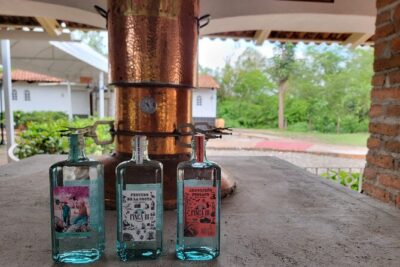
Finca 18 Puerto Vallarta Tequila Tour + Chocolate Pairing
Read our review →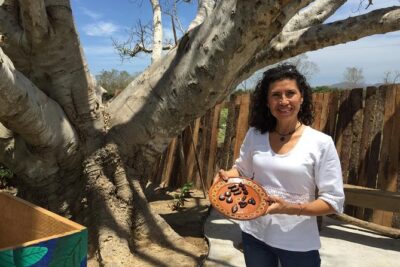
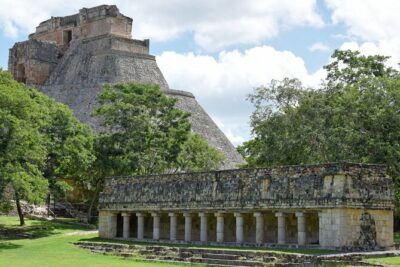
Tour to Uxmal Kabah and Chocolate Museum from Mérida
Read our review →Browse the lists this tour appears in