
Reviewed · TOURS IN GUADALAJARA
Guadalajara: Mexican Charro and Charreada Cultural Tour
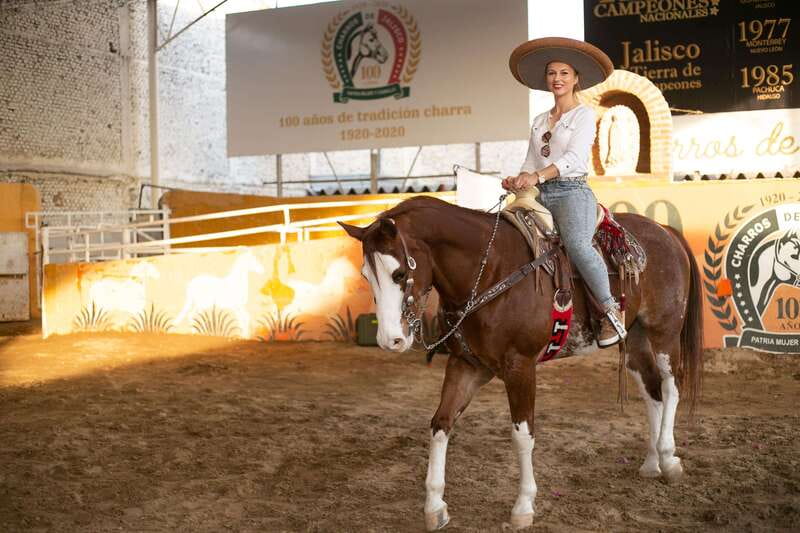
A charreada is not simply a Mexican rodeo. It is a carefully dressed display of horsemanship, rope work, ceremony, and local pride. This four-hour outing at Campo Charro Jalisco lets you see that culture up close, then try parts of it yourself, from handling a lasso to riding beside the charros.
I like the hands-on format, especially the chance to brush horses, learn the Mexican style of rope work, and possibly join the opening parade. I also like the personal touch from guides such as Jorge, Marcos, and Mateo, who explain the customs rather than just pointing at costumes behind glass.
The main consideration is that the full competitive charreada may depend on the day and schedule. Riding in the parade is also described as possible, not guaranteed. Dust, horses, and close contact with animals can be a problem for anyone with allergies, so bring medication if needed.
Key points to know before booking
- You visit a working charro arena and museum: The Campo Charro Jalisco setting gives the history a real home instead of treating it as a stage show.
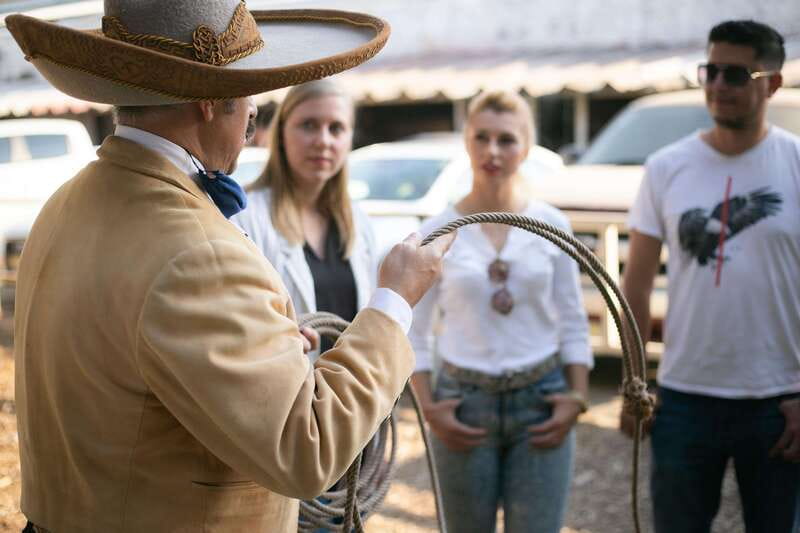
- You learn rope work by doing it: The lesson covers how a Mexican lasso differs from ropes used in other cultures, with practice aimed at real targets.
- Horse time is part of the experience: You help brush and saddle the horses, learn how parade horses are selected, and may ride with the group.
- The opening parade matters: The horse procession introduces the charreada and shows the ceremonial side of the tradition.
- The guides make the difference: Jorge is repeatedly singled out for his storytelling, musical talent, patience, and warm welcome. Other tours mention Marcos, Marco, Mateo, and Jesús.
- The ending is social, not rushed: Two alcoholic drinks, either beer or tequila, are included, with mariachi music to close the visit.
Why charreada is more than a rodeo
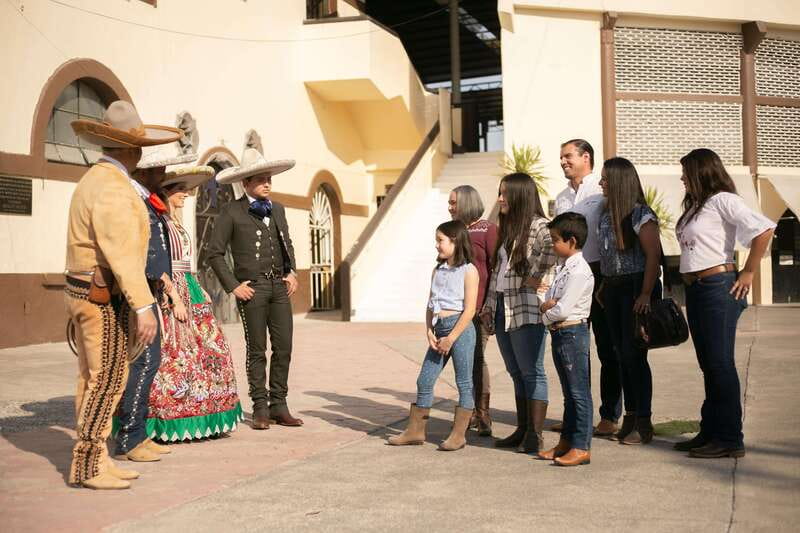
The charro is a national Mexican cultural identity tied closely to Jalisco. The tradition combines riding skill, formal clothing, family customs, music, and competitive events. It is presented here as a UNESCO-recognized part of Mexican culture, which helps explain why the costume and ceremony matter as much as the action in the arena.
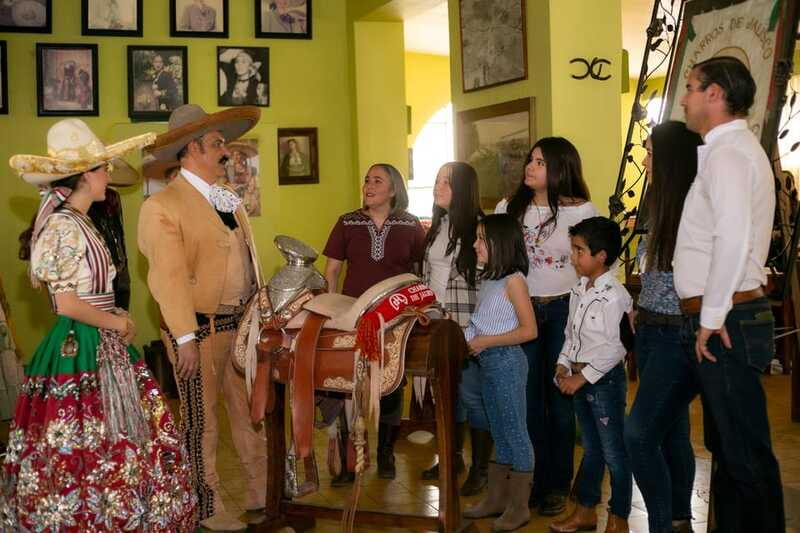
You will see that difference quickly. A charro outfit is not casual ranch clothing. The hat, jacket, trousers, boots, belt, and silver details are chosen with care. The museum collection shows the accessories and traditional clothing used during Sunday charreadas, giving you a useful visual guide before you watch the horses and riders outside.
I find this introduction valuable because it gives the spectacle some meaning. Without it, a rope trick can look like a clever stunt. With the background, you begin to see the clothing, horse handling, and formal parade as parts of a living tradition.
A few more things to do in Guadalajara worth a look
- History and Murals: Walking Tour Guadalajara
★ 5.0 · 237 reviews - Charreria heritage tour be a charro for a day
★ 5.0 · 188 reviews - Tequila/Guachimontones Tour-cultural heritage route
★ 5.0 · 136 reviews
The drive through Guadalajara sets the scene
Pickup is available from three areas: Guadalajara, Chapultepec Country, and Tlaquepaque. The drive includes a look at historic neighborhoods connected to the early development of charrería. It is a short city-history lesson before you reach the arena, and it helps place the tradition within Jalisco rather than presenting it as a generic Mexican cowboy show.
The tour lasts four hours, including the guided visit, workshop, horse activities, and closing drinks. Hotel pickup is included, but drop-off is not. Check the pickup point carefully when booking, especially if you are staying outside the listed areas.
Transport receives a 90 percent perfect score from the available rating breakdown, and the pickup arrangement is useful if you are visiting Guadalajara alone. A solo visitor specifically found the hotel pickup easy and safe. That does not remove the need to confirm your exact meeting details, but it does make the outing easier to fit into a short stay.
Inside Campo Charro Jalisco
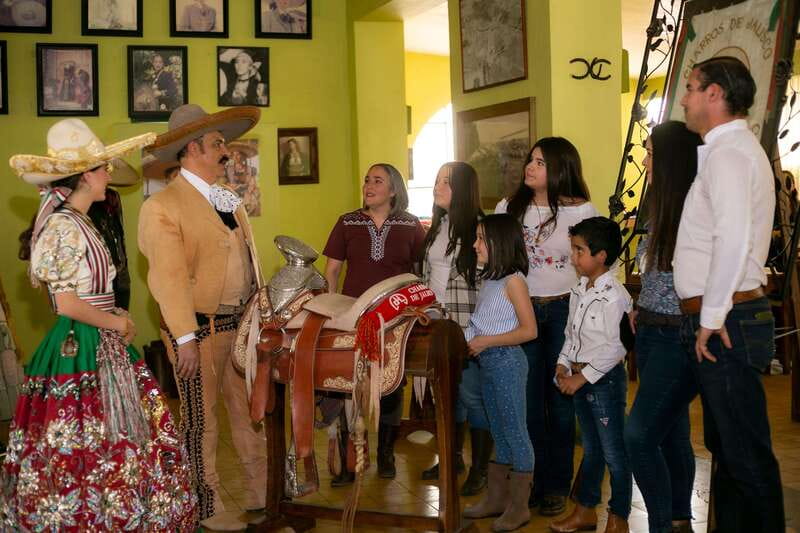
At Campo Charro Jalisco, a charro guide welcomes you and introduces the arena. The setting is called a lienzo, which is the type of cowboy arena used for charrería. This is where the tour moves from city sightseeing to a close look at the people, equipment, and animals involved.
The museum visit comes first. You will see examples of charro costumes and accessories, along with an explanation of how the tradition began. The presentation is intended to show the pride and care behind the clothing, not simply identify a hat or belt.
The guides are a strong part of this stop. Jorge is praised for being attentive, engaging, and thoughtful about pacing. That matters in a small cultural experience because a good guide can adjust the explanation for children, first-time visitors, or people already familiar with Mexico. An elementary-aged child enjoyed the visit, while long-time visitors to Guadalajara found the activity informative rather than repetitive.
Learning to throw the Mexican lasso
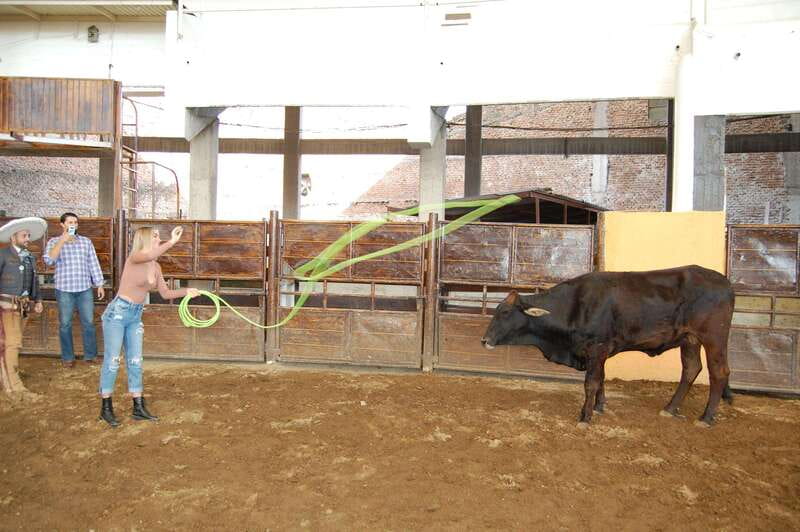
The rope lesson is one of the most useful parts of the tour. You learn how charros use their lassos and how the Mexican style differs from rope work in other cultures. The lesson is followed by practice, so you are not left watching from the side.
Some sessions include a wooden bull before moving to a real, well-trained bull. This gives you a safer way to understand the movement and teamwork before trying a more demanding task. The exact activity can vary, so you should treat the bull work as part of the possible program rather than a fixed promise for every departure.
This is also where the tour earns its hands-on reputation. You are not expected to arrive with riding or roping experience. The guide explains the technique, then lets you try. You may miss your target, and that is part of the fun. The point is to understand the skill involved, not to become a working charro in one afternoon.
The rope work can be exciting for families and groups of friends, but it may feel less comfortable if you dislike animal activities or prefer quiet museum visits. Dust is another practical concern. Anyone with dust or horse allergies should bring the medication they normally rely on.
Same base, a different sort of day:
- Full Day Tour to Tequila and Amatitán with Fun and Culture
★ 5.0 · 681 reviews - The Agave Experience Tequila Tour in Jalisco
★ 5.0 · 520 reviews - Tour to Lake Chapala, MAGIC TOWN of Ajijic from Guadalajara
★ 4.5 · 476 reviews - Walk Guadalajara!
★ 5.0 · 474 reviews
Brushing, saddling, and choosing the parade horses
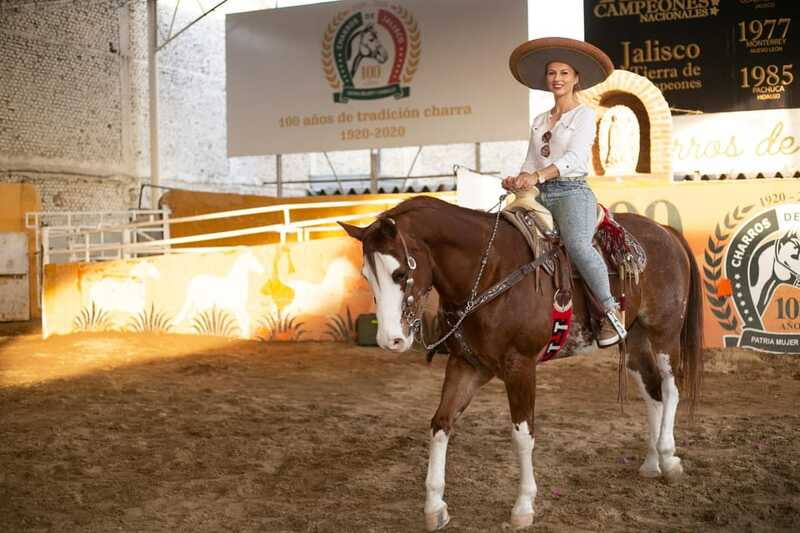
The horse portion gives the tour a slower rhythm after the rope lesson. You help brush and saddle the horses, then learn how the animals are chosen for the parade that opens the charrería event. This preparation is useful because it shows that the parade depends on calm, controlled horses and careful handling.
You may be able to ride alongside the charros during the opening procession. The word may matters here. Riding is offered when possible, but it is not stated as guaranteed for every group or visit. You should book this tour for the cultural lesson and horse contact first, with the parade ride treated as an excellent extra.
Several people describe riding Jorge’s horses as a favorite moment. That praise fits the structure of the visit: you have already seen the clothing, learned why the horses matter, and practiced some rope work before getting into the saddle. Even if you do not ride in the parade, the brushing and saddling provide a direct connection to the preparation.
Seeing the charreada in action
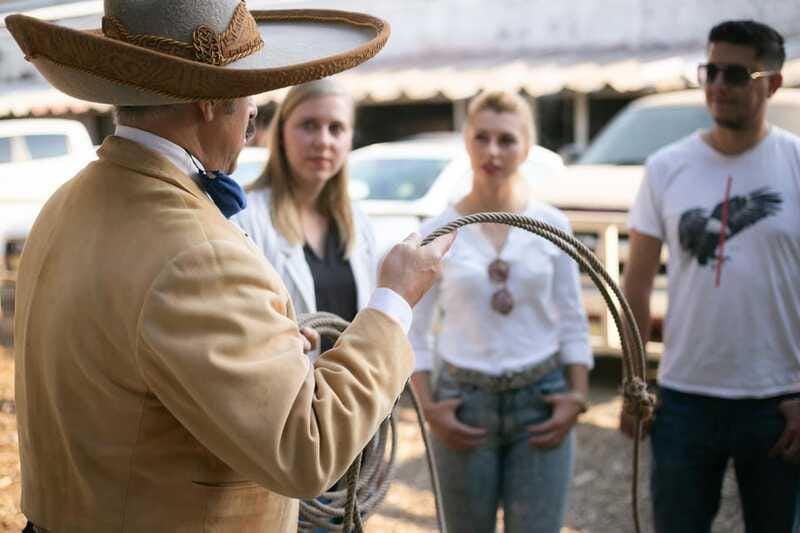
The horse parade opens the rodeo event. It gives the charreada a formal beginning and lets you see the horses and riders together before the competitive activities start. The tour then explains the tasks that take place during charrería, so you can follow the action instead of watching a series of unfamiliar maneuvers.
On some Sundays, competitions are taking place at the arena. One visitor happened to stay for the events and was treated as a special guest. Another person later planned to attend a Sunday charreada after becoming interested in the tradition during the tour. That suggests Sunday can be a good choice if you want the strongest chance of seeing the sport in its regular setting, but the provided information does not promise a competition on every Sunday visit.
The event has a team quality that separates it from a simple horse demonstration. Some activities involve riders working together with rope and cattle. The animals used in the reported session were described as trained, but this remains a live animal setting with dust, movement, and noise. Keep that in mind if you are booking for a young child or anyone uneasy around horses and bulls.
Tequila, mariachi, and conversation at the end
The tour closes with two alcoholic drinks, either beer or tequila, and mariachi music. The final toast is more than a drink stop. It gives you time to talk with the charros after the formal instruction and watch the cultural side of the experience continue through song and conversation.
Jorge is also described as an excellent singer and musician, adding a personal touch to the ending. Other sessions have included speeches and a poem about the nobility associated with being a true charro. These details help explain why the outing feels personal rather than like a standard arena visit.
Food is not included. You should plan for that, especially since the activity can cover four hours. The supplied information does not specify a meal or snack stop, so do not count on lunch being part of the experience. Water is included, along with the two alcoholic drinks.
If you do not drink alcohol, the listing specifically mentions beer or tequila but does not state a nonalcoholic substitute. Ask the provider before booking if that matters to you.
What the $47 price really buys
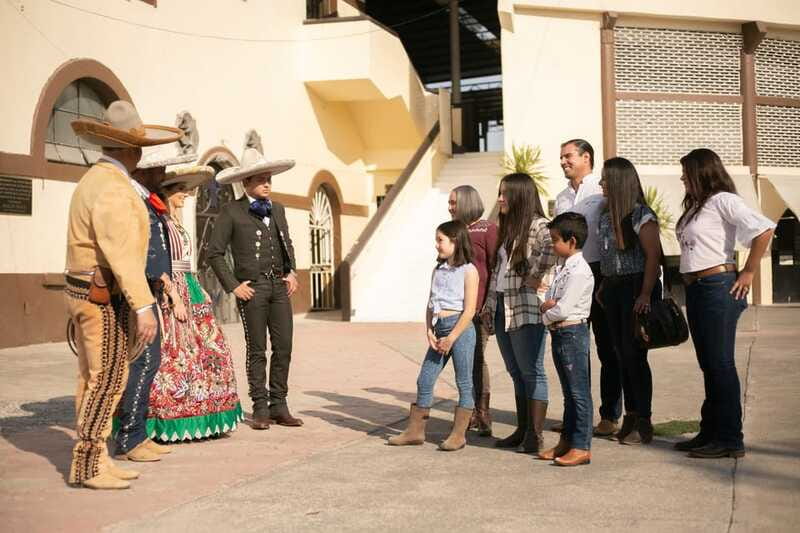
At $47 per person, the tour offers a solid amount for a half-day activity. The price includes pickup, admission, a bottle of water, the guided museum and arena visit, the rope workshop, horse activities, and two alcoholic drinks. You are paying for access to a specialized cultural setting as well as instruction and time with the horses.
The value is strongest if you want participation. A short arena show might cost less, but it would not give you the same chance to handle a lasso, brush a horse, learn about costume details, and speak with charros. The price is also easier to justify for solo visitors because pickup is included and the guide provides structure from start to finish.
The price is less complete if you expect food, hotel drop-off, or a guaranteed full charreada competition. None of those are included in the stated package. I would compare it with a basic sightseeing tour only if you want a broad overview of Guadalajara. For a focused look at Jalisco’s charro tradition, the hands-on elements make the cost reasonable.
Who will get the most from this tour
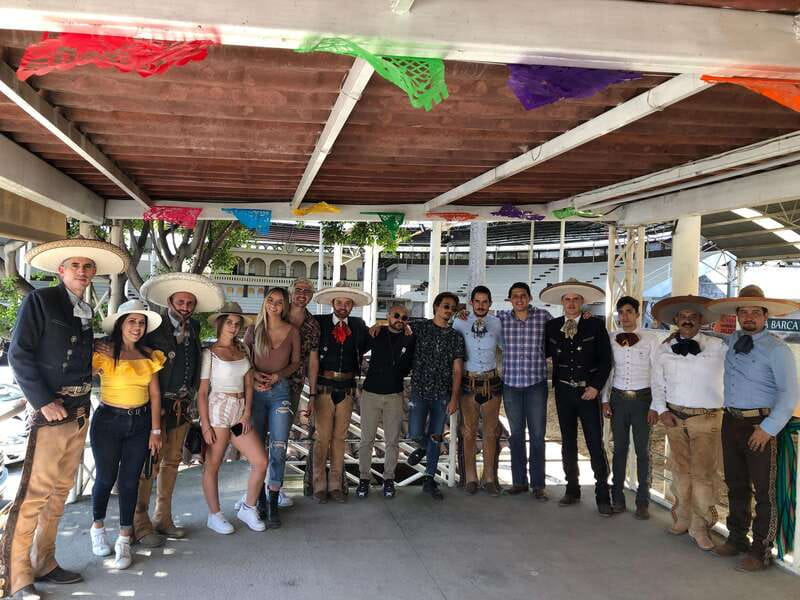
I would choose this for anyone who wants culture with a practical element. You do not need prior horse experience, and the combination of museum objects, stories, rope work, and riding gives the afternoon several different speeds.
It is especially suited to:
- People visiting Guadalajara for the first time who want something beyond churches and city plazas
- Families with children who enjoy animals and supervised activities
- Solo visitors who value hotel pickup and a welcoming guide
- Horse lovers and anyone curious about Mexican riding traditions
- Visitors planning to attend a Sunday charreada and wanting background first
- People who enjoy local music, tequila, and informal conversation
I would hesitate if you have strong horse or dust allergies, dislike rodeo-style activities, or need a guaranteed schedule of competitive events. The activity also includes alcohol and no food, so plan around those details.
Practical booking advice for Guadalajara
The experience is offered in English and Spanish. When booking, check the available starting times and choose a pickup location you can reach easily. Since drop-off is not included, think about where you want to go afterward. You can arrange your next stop independently, but allow time for the four-hour activity to finish.
Free cancellation is available up to 24 hours before the tour for a full refund, and you can reserve now and pay later. Those terms help if your Guadalajara schedule is still shifting.
Wear clothing you can use around horses and dust. The supplied information does not give a required dress code, but practical clothes and shoes make more sense than anything delicate or formal. Bring allergy medication if horses or dust cause problems for you.
The overall rating is 4.8 from 83 ratings, with repeated praise for the guides, the history lesson, the rope practice, and the horse riding. The most consistent strength is not one isolated trick. It is the way the guide connects the museum, arena, animals, clothing, music, and ceremony into one understandable afternoon.
Should you book the Charro and Charreada Cultural Tour?
Book it if you want to understand why the charro matters to Jalisco, not just watch a rodeo from the seats. The best parts are personal: handling the rope, preparing the horses, learning the meaning behind the clothing, and sharing tequila or beer with charros while mariachi music plays.
Go in with realistic expectations. A parade ride and live competition may depend on the day, food is not included, and you must arrange your own return after drop-off. With those limits understood, the $47 price is fair, and the four-hour format gives you a memorable introduction to one of Mexico’s most distinctive traditions.
FAQ
Where does the Guadalajara charro tour take place?
The main visit takes place at Campo Charro Jalisco, a lienzo, or cowboy arena, in Jalisco.
How long does the activity last?
The tour lasts four hours.
Where can pickup be arranged?
Pickup is available from Chapultepec Country, Guadalajara, and Tlaquepaque.
Is transportation included?
Pickup service is included. Drop-off service is not included.
What languages are available?
The live tour guide service is available in English and Spanish.
Is horse riding included?
Horse riding is part of the activity, and you may be able to ride with the charros during the opening parade. Riding in the parade is dependent on what is possible during the visit.
What activities are included at the arena?
You can visit the charro museum, learn about costumes and accessories, practice Mexican lasso techniques, brush and saddle horses, and learn about the activities that take place during a charreada.
Are drinks or food included?
A bottle of water and two alcoholic drinks, either beer or tequila, are included. Food is not included.
Can I cancel the booking?
You can cancel up to 24 hours in advance for a full refund. The activity also offers a reserve-now, pay-later option.
Just added in Guadalajara
- Transfer by car to or from Guadalajara Airport★ 4.5 · 49 reviews
- Guachimontones Archaeological Tour★ 5.0 · 60 reviews
- Tlaquepaque and Tonala Private Full-Day Tour★ 5.0 · 31 reviews
- Tequila distillery experience, Jose Cuervo & Tequila Magic Town★ 4.5 · 61 reviews
- José Cuervo Tequila Day Experience from Guadalajara★ 5.0 · 126 reviews
- Tequila Express★ 4.5 · 110 reviews
- Charreria heritage tour be a charro for a day★ 5.0 · 188 reviews
- Private Full-Day Tour to Tequila and Guachimontones★ 4.5 · 66 reviews
Tours in Guadalajara, compared.
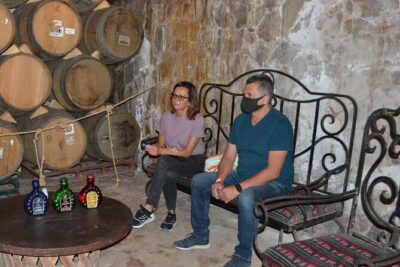
Full Day Tour to Tequila and Amatitán with Fun and Culture
Read our review →
Tour to Lake Chapala, MAGIC TOWN of Ajijic from Guadalajara
Read our review →

The Fire TOUR – Pyramids, Volcanoes, Agaves & Tequila
Read our review →
Lake Chapala and Ajijic Day Trip with Boat Trip
Read our review →Browse the lists this tour appears in