Reviewed · TOURS IN SAN CRISTOBAL DE LAS CASAS
From San Cristóbal: Chamula and Zinacantán Guided Tour
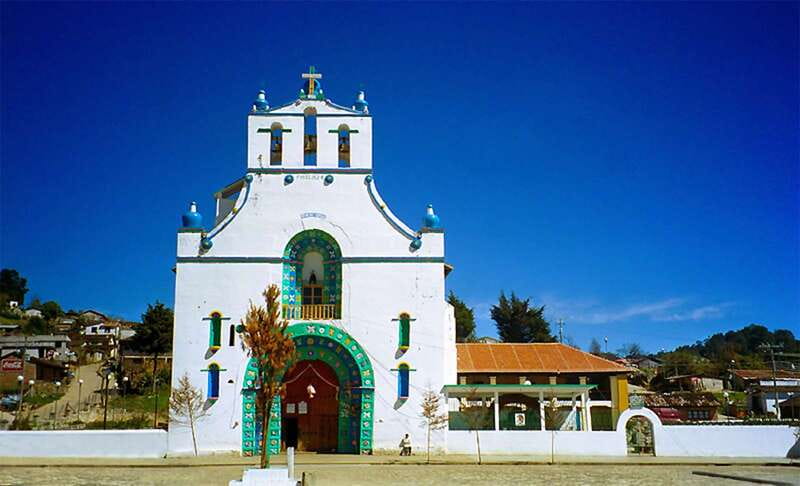
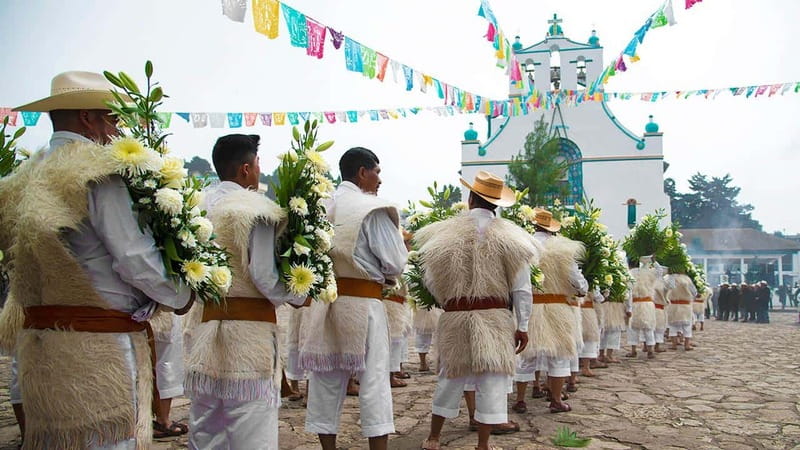
San Juan Chamula’s church is the heart of this trip. Inside, pine needles cover the floor, candles flicker in rows, and local people carry out rituals that blend Catholic symbols with older Tzotzil Maya beliefs. It is not a standard church visit, and your guide’s explanation matters. I like the chance to see a living tradition rather than a museum display, and I like that the visit continues in Zinacantán with working textile artisans.
The strongest parts are the church and the family co-operative, where you can watch women use pre-Columbian waist looms and taste handmade tortillas. The main caution is that the Zinacantán stop can feel sales-focused, and the weaving demonstration may be brief. Cameras and video are not allowed, so you must experience the church without taking pictures.
Key points to know before you go
- Chamula’s church is the emotional center: Expect pine needles, candles, prayer, and rituals unlike those in most Mexican churches.
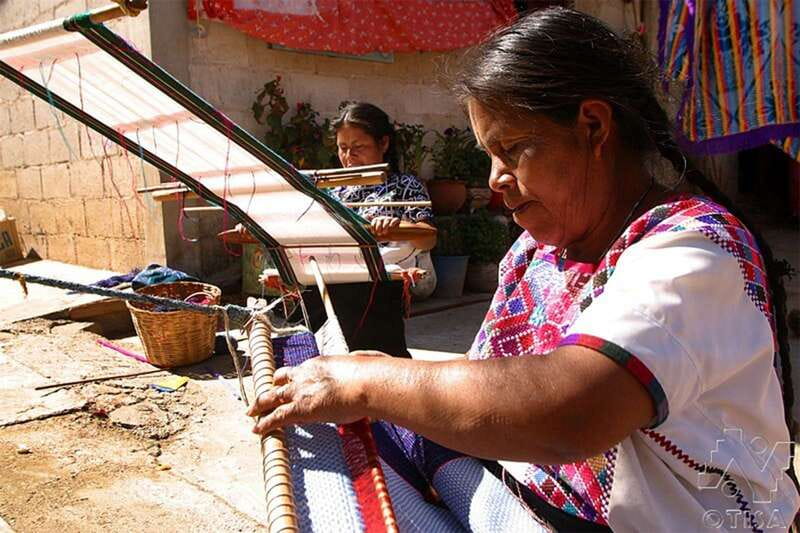
- Zinacantán brings craft into daily life: Women demonstrate waist-loom weaving and welcome you with a regional drink.
- Food is part of the visit: You may taste handmade tortillas, coffee, cheese and bean tacos, and pox, a local liquor.
- The guide shapes the experience: Guides such as Miguel and Alonso have been praised for clear English, humor, translation, and cultural respect.
- Five hours keeps the outing manageable: Two 1.5-hour visits are linked by short van rides from central San Cristóbal.
- The textile stop has a commercial side: Prices can be higher than in town, and you should buy only if you genuinely want the piece.
Why Chamula is more than a quick church stop
The journey starts at Al Grano Café on Portal Oriente 9 in central San Cristóbal de las Casas. From there, an air-conditioned minivan takes you roughly 25 minutes to San Juan Chamula. Transfer times can change with traffic, but this is a short ride, not an all-day haul.
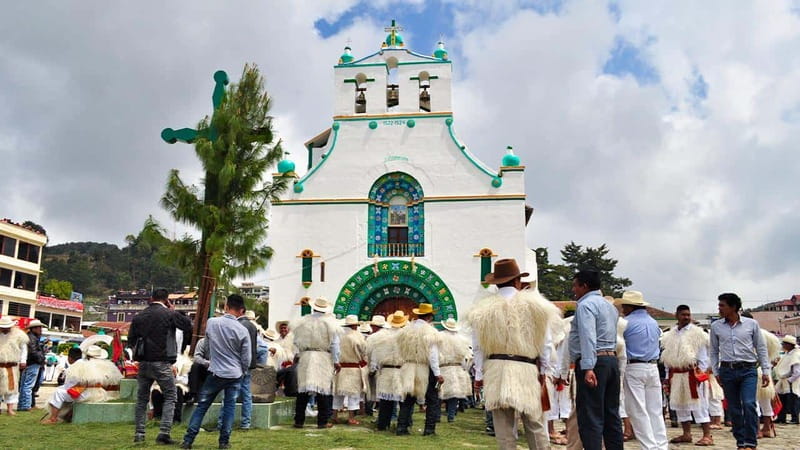
Chamula deserves careful attention. Its church is famous because worship here does not look like a neat division between Catholicism and Maya belief. The building is Catholic in form, yet the rituals inside reflect local customs, healing practices, prayer, and community life. Pine needles on the floor create a strong forest scent. Candles burn directly on the floor rather than in standard holders. The room feels quiet, serious, and personal.
You are not going inside simply to admire architecture. People may be praying or carrying out private rituals, so behave with care. Your guide can explain what you are seeing, but the visit still calls for restraint. Do not treat the church like a stage. The prohibition on cameras and video is important here, and it helps protect the atmosphere.
The Chamula visit lasts about 1.5 hours. That gives you enough time to hear the background, enter the church, and understand the town beyond a quick photograph. Several guides have received praise for giving useful context instead of only listing dates. Miguel, in particular, has been noted for clear English explanations, while Alonso and Alfonzo have been praised for switching between English and Spanish and helping everyone follow along.
The quality of the guiding matters because the church can be confusing if you arrive without context. You might see candles, pine, and people kneeling, but miss why those details matter. A good guide helps you look without turning a sacred place into a curiosity show.
A few more things to do in Mexico worth a look
- Teotihuacan Early Access Guided Tour with optional Lunch
★ 4.5 · 6,138 reviews - Tulum Ruins and Cenote Guided Tour, from Cancun
★ 4.5 · 2,592 reviews - Tulum Guided Tour, Magical Cenote, Lagoon Snorkeling and Beachside Lunch
★ 5.0 · 1,888 reviews
Zinacantán and the hands behind the textiles
After Chamula, the van ride to Zinacantán takes about 15 minutes. Zinacantán is another Tzotzil Maya community, and the focus here shifts from ritual to craft, family life, food, and local textiles.
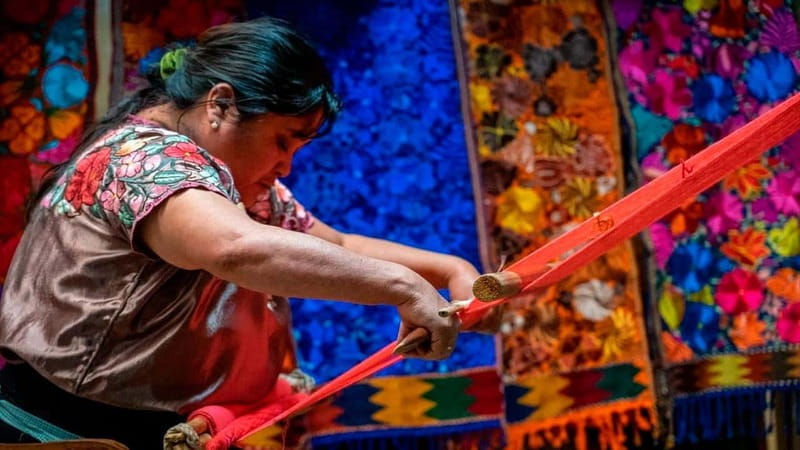
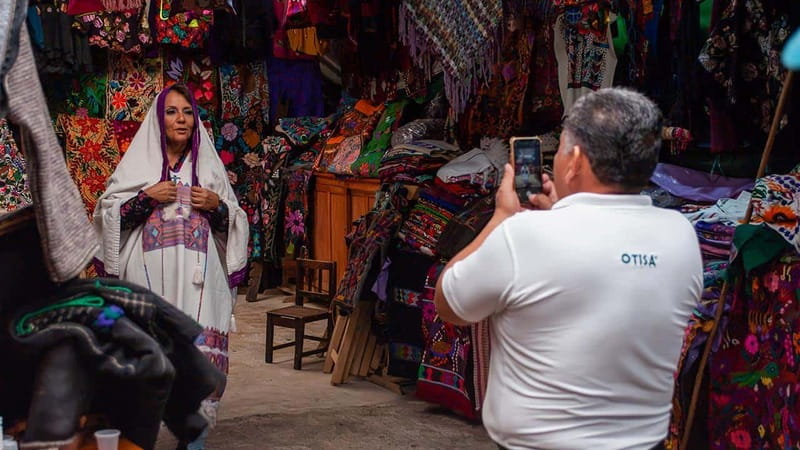
The visit includes a church and a family co-operative. At the co-operative, women work with pre-Columbian waist looms. This is a useful chance to see how fabric is made, rather than simply finding finished clothing on a market stall. The loom is tied to the weaver’s body, and the work requires patience and control. The demonstration may be short, so do not expect a full workshop class. One account described the weaving explanation as quick and light on detail.
The co-operative visit also offers a more human setting than a regular shop. You are welcomed with a regional drink and may be invited into the kitchen to taste handmade tortillas. Other food mentioned during the experience includes local coffee, cheese, and bean tacos. Pox, a local liquor, may also be served for tasting. The combination gives the visit more substance than a simple textile sales stop.
The food is a real advantage here. A tortilla made by hand, still warm from the kitchen, tells you more about everyday life than a long lecture. Coffee and tacos make the stop feel generous, while pox adds a local custom to the visit. Alcohol is not included in the listed price, and food and drinks are generally excluded, so bring some cash for anything offered for purchase or tasting.
You can also try on traditional clothing and buy textiles or other Indigenous crafts. This is where you should keep your judgment switched on. The co-operative supports local makers, but some pieces may cost two or three times more than similar clothing in town. That does not automatically mean the work is poor or unfairly priced. It does mean you should compare prices in San Cristóbal if shopping value is your main goal.
A sales presentation may be part of the stop. Some people will appreciate hearing how the co-operative works and why quality differs among producers. Others may find the emphasis on buying uncomfortable. I would treat the purchase as optional. Watch the weaving, ask questions, enjoy the food, and buy only something you truly want to carry home.
What the guide adds to the day
This tour depends heavily on the person leading it. The churches and weaving workshops are worthwhile on their own, but the guide connects the visible details to Tzotzil Maya culture and present-day life.
The strongest guide reports describe calm, friendly leaders who explain customs respectfully and answer questions rather than rushing people from stop to stop. Miguel has been singled out for strong English and detailed explanations. Alonso has also been praised for his approachability, humor, and ability to lead in both English and Spanish. One guide was noted for translating into several languages to keep the group included.
That said, language coverage may not be identical at every part of the outing. One past experience had some portions, including a greenhouse and pox tasting, explained only in Spanish. The listed tour languages are English and Spanish, but it is sensible to confirm the language you need when booking.
A good guide also helps with manners. Chamula’s rituals are not entertainment arranged for outsiders. You need someone who can explain what is happening without encouraging intrusive behavior. The best guiding described here treats local people and their beliefs with respect, which makes the visit more meaningful and less awkward.
The guide can also make Zinacantán more than a shopping stop. Ask about the loom, the clothing, the food, and the relationship between traditional practice and modern life. If the explanation at the workshop is brief, use your time to ask direct questions.
The practical rhythm of this five-hour outing
The timing is compact:
- About 25 minutes by minivan from Al Grano Café to Chamula
- About 1.5 hours in San Juan Chamula
- About 15 minutes to Zinacantán
- About 1.5 hours in Zinacantán
- About 25 minutes back to Al Grano Café
This leaves some uncounted time for loading, parking, and traffic. The full experience is listed as five hours, but the exact duration can shift during busy periods. You should not book a tight connection immediately afterward.
The air-conditioned minivan is a practical choice. It keeps the trip simple and avoids the stress of arranging separate transport to two communities. The rides are short enough that the day does not feel dominated by driving.
Wear comfortable shoes and clothes. The advice sounds basic, but it matters when you are walking through town, standing in churches, and moving around a workshop. The outing operates in all weather, so bring clothing that suits the forecast. You need a passport or identification card with you.
Children must be accompanied by an adult, and unaccompanied minors are not accepted. The tour is not designed as a free-form shopping trip or a private cultural lesson. You follow a set route and schedule, which suits people who want the key sights covered in half a day.
Same base, a different sort of day:
- Chichen Itza, Cenote, and Valladolid Tour
★ 5.0 · 24,293 reviews - Chichen Itza, Cenote & Valladolid Tour with Tequila and Lunch
★ 4.5 · 15,789 reviews - Teotihuacan, Guadalupe Shrine & Tlatelolco Day Tour with Lunch
★ 5.0 · 11,603 reviews - Cabo Beach Camel Ride, Mexican Buffet and Tequila Tasting
★ 5.0 · 8,815 reviews
Is the 32 dollar price good value?
At $32 per person, the tour is fairly priced for a five-hour guided outing that includes air-conditioned transport, a guide, and entrance fees. The price is especially reasonable if you are staying in San Cristóbal without a car and want both communities handled in one morning or afternoon.
The value comes from the interpretation as much as the transport. You could reach the towns independently, but you might see Chamula’s church without understanding the rituals, or pass through Zinacantán without learning how the loom works. The guide gives the day its purpose.
Your extra spending depends on you. Food, drinks, textiles, crafts, and personal purchases are not included. The co-operative may offer clothing at higher prices than shops in San Cristóbal, so budget separately and avoid assuming that every purchase is part of the tour cost.
Free cancellation up to 24 hours before the start and the option to reserve without paying immediately make the booking less rigid. Starting times vary, so check availability for the date you want.
What can feel uncomfortable
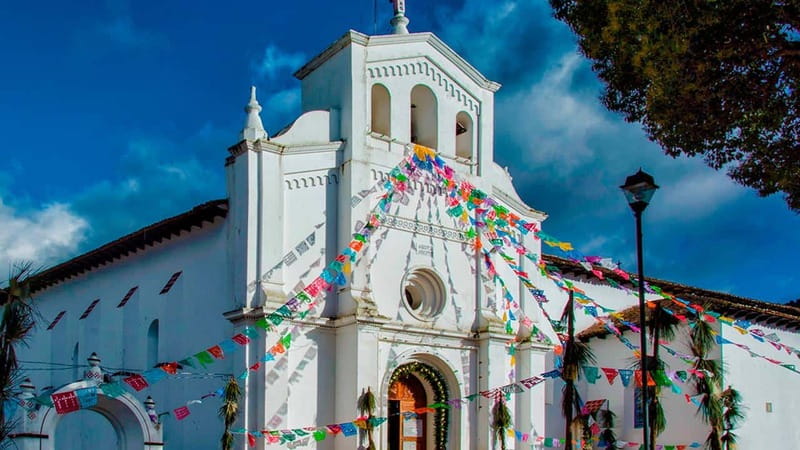
The most important drawback is the tension between cultural access and privacy. Entering Chamula’s church while people pray can feel intrusive, even when the visit is permitted and guided respectfully. You need to watch quietly, avoid photography, and remember that the rituals are for the local community, not for your sightseeing checklist.
The second issue is the Zinacantán sales element. The co-operative may be a genuine working place, and buying can support the makers, but the experience still ends with an opportunity to purchase. If you dislike organized shopping, this part may feel less natural than the church visit.
The level of detail can also vary between stops. Chamula often receives the fuller explanation, while Zinacantán may have less commentary. A guide can be excellent overall and still give only a quick loom demonstration. Ask questions if you want more detail.
These are not reasons to dismiss the outing. They are reasons to arrive prepared. Respect the church, keep your camera packed away, and see the textile purchase as optional.
Who should book this tour?
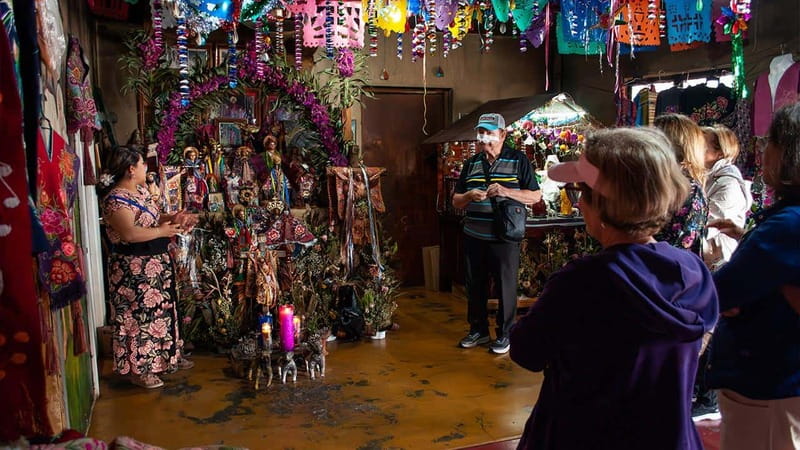
I would choose this for a first visit to San Cristóbal if you want cultural context and do not speak Spanish well enough to arrange everything alone. It suits anyone interested in Indigenous belief, weaving, food, and the way old customs continue in modern communities.
It is also a good fit if you have only half a day. The two destinations are close enough to combine without exhausting travel, and the route returns you to central San Cristóbal.
You may prefer another plan if you want long, slow time in one village, extensive shopping, or a private experience. The tour moves on a schedule, and the workshop portion may feel brief. It also is not right for anyone unwilling to follow strict rules inside a sacred church.
Bring an open mind, modest expectations about shopping, and enough time to listen. The best moments are not the ones you can photograph. They are the smell of pine in Chamula, a candle-lit ritual explained with care, the sound of a loom at work, and a warm tortilla offered in a family kitchen.
Should you book the Chamula and Zinacantán tour?
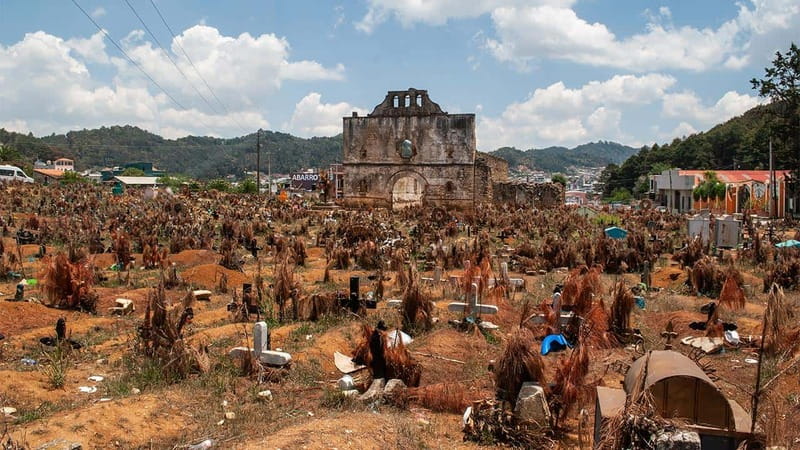
Yes, if you want an affordable, well-organized introduction to two important Tzotzil Maya communities from San Cristóbal. Chamula is the main reason to go, while Zinacantán adds food, weaving, and a chance to buy directly from artisans.
Book it for the guide and cultural explanation, not just for transport or shopping. If you can accept the no-camera rule, the possible sales pitch, and the short weaving demonstration, this five-hour trip offers strong value. If those limits bother you, visit the communities independently and spend longer at the markets.
FAQ
Where does the tour start?
Meet at Al Grano Café, Portal Oriente 9, Col. Centro, in San Cristóbal de las Casas.
How long does the experience last?
The tour lasts about five hours, including transport and visits to San Juan Chamula and Zinacantán.
What languages are available?
The live tour guide service is available in English and Spanish.
What transportation is used?
You travel between San Cristóbal, Chamula, and Zinacantán in an air-conditioned minivan.
Are entrance fees included?
Yes. Transportation, the guide, and entrance fees are included.
Are food and drinks included?
No. Food, drinks, and personal purchases are not included, although the Zinacantán visit may include opportunities to taste tortillas, coffee, tacos, or pox.
Can I take photographs or record video?
No. Cameras and video recording are not allowed during the experience.
What should I bring?
Bring a passport or identification card, comfortable shoes, and comfortable clothing. The tour operates in all weather, so dress for the conditions.
Just added in Mexico
- Akumal: Dolphin Encounter★ 4.4 · 56 reviews
- San Cristóbal: Canyon, Viewpoints & Chiapa de Corzo Tour★ 4.7 · 231 reviews
- The Grutas de Garcia & Town (Cablecar Ticket + Premium SUV)★ 5.0 · 85 reviews
- Full Day Tour Chichen Itza plus Cenotes From Valladolid★ 4.0 · 107 reviews
- Sumidero Canyon and Chiapa de Corzo Tour Compartido★ 4.6 · 131 reviews
- From Playa del Carmen ATV Adventure with Ziplines, Cenote★ 5.0 · 2,041 reviews
- Rio Lagartos guided boat tour- Ek Balam from Valladolid★ 5.0 · 151 reviews
- Airport Taxi Service★ 5.0 · 99 reviews
Tours in San Cristobal de las Casas, compared.
San Cristóbal: Canyon, Viewpoints & Chiapa de Corzo Tour
Read our review →
San Cristóbal: Agua Azul, Misol Ha & Palenque Experience
Read our review →