
Reviewed · TOURS IN GUADALAJARA
Tequila Route Experience from Guadalajara
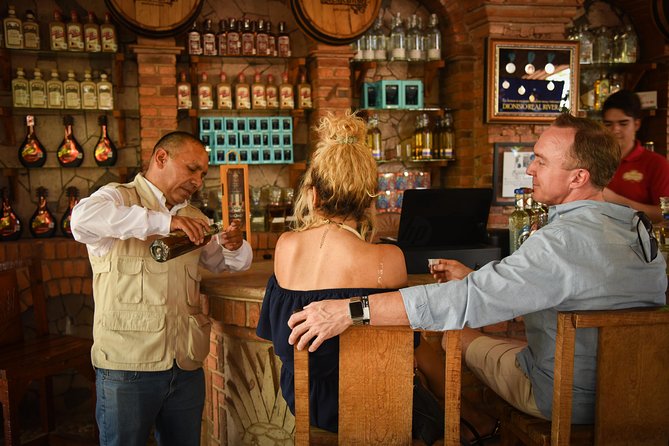
Tequila begins long before the bottle. This day trip takes you through Jalisco’s blue agave fields, into a small traditional factory, and finally to the town that gave Mexico’s best-known spirit its name. You see jimadores at work, learn how agave is cooked and distilled, then taste blanco, rested, aged, and extra-aged tequila.
I like two things right away: the factory visit explains the full process, rather than rushing you straight to a tasting, and the air-conditioned ride makes the long day more comfortable. Guides such as Carmen, José Luis, José, and Hector have earned praise for their clear English explanations and warm manner.
The main drawback is the road time. Traffic on the return to Guadalajara can be severe, and the full outing may feel long if you want only a quick look at Tequila. Lunch is not included, and the chosen meal stop has not pleased everyone.
Key points to know before booking
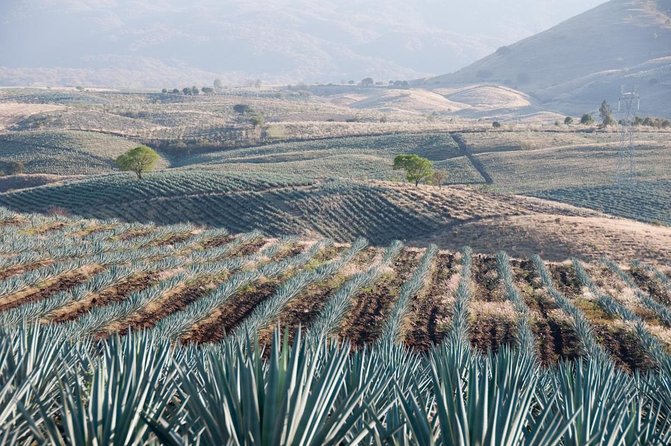
- See tequila at its source: The route crosses Jalisco’s blue agave fields and the UNESCO World Heritage agave area.
- Learn from field to bottle: The traditional factory covers harvesting, cooking, fermentation, and copper-still distillation.
- Taste four tequila styles: Blanco, rested, aged, and extra-aged tequila are included.
- Enjoy more than a factory stop: You also visit El Arenal, Amatitán, the town of Tequila, and a mural about local tequila culture.
- Plan for a full day: The tour lasts about eight hours, but traffic can stretch the return.
- Check pickup details: The stated start is 10:00 a.m., though one booking conversation gave a 9:00 a.m. pickup time.
Why this Guadalajara day trip works
At $40 per person, this is a strong value if you want a guided introduction to tequila without arranging transport, a factory visit, tastings, and a stop in Tequila on your own. The price includes an air-conditioned vehicle, bottled water, travel insurance, and four tequila samples.
That matters because Tequila is outside Guadalajara, and the route includes several scattered stops. You are paying less for a single polished attraction than for a full day of transportation and interpretation across the region.
The experience also gives you a useful sense of scale. Tequila is not only a drink served in a bar. It is tied to the soil, the agave-growing cycle, family distilleries, farm labor, old ovens, and the towns built around production. The day helps connect those pieces.
This is not a luxury food-and-drink tour. Lunch is on your own, and the included tasting is more important than a formal meal. If you want a high-end distillery visit with a long seated lunch, look elsewhere. If you want a practical first look at the Tequila Route, the price is appealing.
Other trips people book in Guadalajara:
- Full Day Tour to Tequila and Amatitán with Fun and Culture
★ 5.0 · 681 reviews - The Agave Experience Tequila Tour in Jalisco
★ 5.0 · 520 reviews - Tour to Lake Chapala, MAGIC TOWN of Ajijic from Guadalajara
★ 4.5 · 476 reviews
Starting beneath Guadalajara’s Minerva
The listed meeting point is at C. Aurelio Aceves 225 near the Glorieta de La Minerva, one of Guadalajara’s best-known landmarks. The large roundabout is marked by an eight-meter statue of Minerva, the Roman goddess associated with wisdom and war.
The statue dates to 1956 and has become a gathering point for city celebrations, sports victories, and cultural events. It is a sensible place to begin because you can identify it easily, though you should confirm the exact pickup instructions before the morning of the tour.
The advertised start time is 10:00 a.m. One booking exchange gave a 9:00 a.m. pickup time instead, and another booking described pickup at a hotel or Airbnb. That suggests pickup arrangements can vary. I would contact Panoramex before the day begins and confirm the location and time in writing.
The ride is in an air-conditioned vehicle. That is more than a minor comfort in Jalisco, especially on a day that moves between open fields, town streets, and factory buildings.
The blue agave fields and the work behind tequila
The first major lesson comes in the agave-growing country around the Tequila Valley. The rows of blue agave spread across the hills and open ground, creating the famous visual associated with the route.
This area is part of a UNESCO World Heritage site recognized for both its natural setting and its long tequila tradition. The designation is useful context, but the best part is seeing that the fields are working agricultural land, not just a photo backdrop.
The tour explains the role of the jimador, the skilled worker who cuts the agave leaves and shapes the plant’s central pineapple, known as the piña. This is the raw material that later goes into the oven.
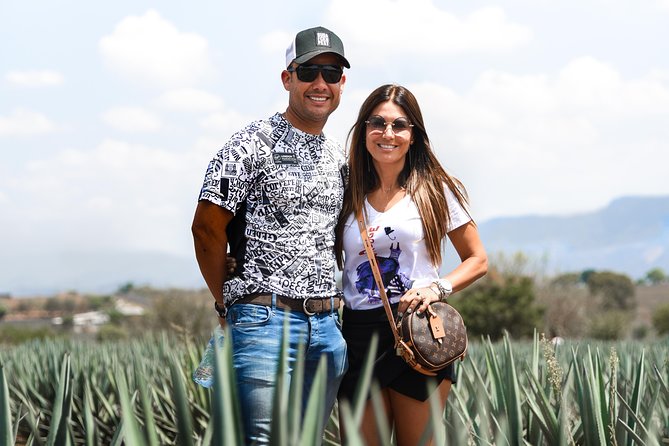
You may have time for photographs among the fields, and one reported stop included photo opportunities with a donkey, a horse, and a swing. Those extras can be fun for families, but the real value is understanding why the agave fields matter before you taste the finished spirit.
Inside a traditional tequila factory
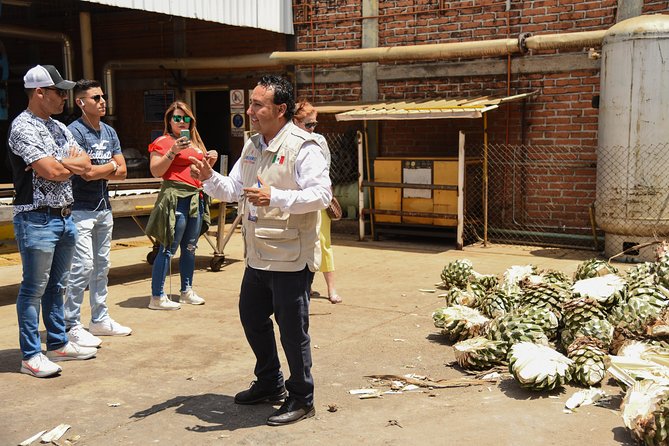
The artisanal factory is the strongest educational part of the day. Instead of treating tequila as a quick sampling exercise, the visit follows the production chain.
The agave piñas are slowly cooked in stone or brick ovens. Cooking releases the natural sugars that will later feed fermentation. This old-style method helps explain why traditional tequila production takes time and why the cooked agave has such a distinct smell and flavor.
Next comes fermentation in small wooden tubs. Yeast changes the sweet agave liquid into an alcoholic must. The process is then completed in copper stills, where distillation concentrates the spirit.
The small-batch setting gives the explanation a more personal feel than a large industrial plant tour. Guides have included Carmen, José Luis, José, and others who explain the process in both English and Spanish when needed. Carmen received especially strong praise for her energy and clear explanations, while José Luis was noted for patience with families and for explaining the production process from start to finish.
You will also taste the results. The included samples cover blanco, rested, aged, and extra-aged tequila. The point is not simply to drink four versions. It is to compare how time in oak changes color, aroma, texture, and flavor.
Drink carefully. This is a long day, and more stops follow the tasting. The route is much more enjoyable when you treat the samples as a lesson rather than a contest.
Same base, a different sort of day:
- Walk Guadalajara!
★ 5.0 · 474 reviews - Full Day in Tequila with Tasting and party in Cantaritos
★ 5.0 · 356 reviews - The Fire TOUR – Pyramids, Volcanoes, Agaves & Tequila
★ 5.0 · 329 reviews - Full-Day Tequila Tour from Guadalajara
★ 4.5 · 272 reviews
El Arenal, the gateway to the agave country
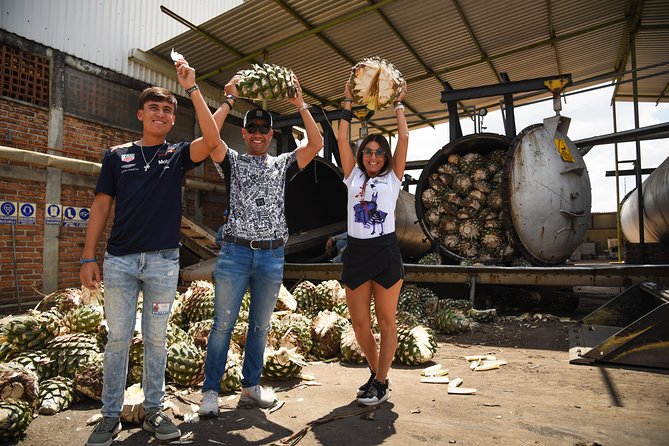
El Arenal is a small town on the Tequila Route, surrounded by agave fields and family distilleries. Its nickname, the Agavero Landscape Gate, fits its position along the road into the main tequila area.
This stop gives you a change of pace after the factory. You see a local community shaped by tequila production, rather than only an attraction designed for visitors. The streets are described as quiet and traditional, with family operations that continue to use older methods.
Do not expect a long list of major sights here. El Arenal is useful because it adds local setting and helps break up the drive. If your main goal is to spend hours inside Tequila’s shops and museums, you may find the time here less important than the town visit later.
A clay-jar drink in Amatitán
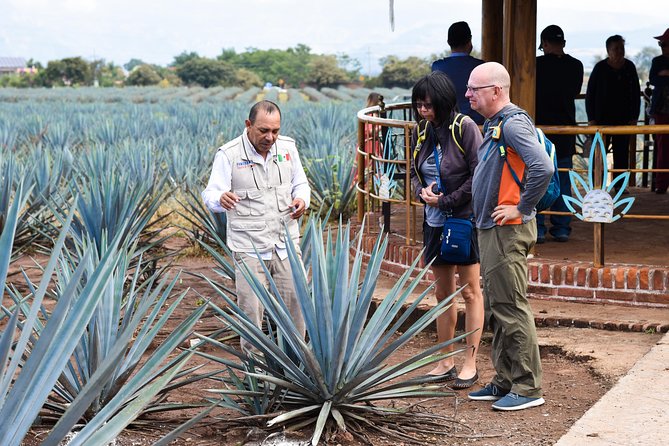
Amatitán offers one of the day’s more playful stops. Route 43 is known for its clay-jar cocktails, made with tequila, fresh citrus juice, salt, ice, and grapefruit soda.
The drink is served in a clay vessel and fits the festive roadside character of the route. It is a refreshing change after the formal tasting, though it is still another alcoholic drink on a full day. Pace yourself and ask questions about what is included if you are monitoring your alcohol intake.
The colorful setting also makes this a useful photo stop. The atmosphere is relaxed and social, with Mexican decoration and space to pause before continuing toward Tequila.
The Jose Cuervo fields and the UNESCO setting
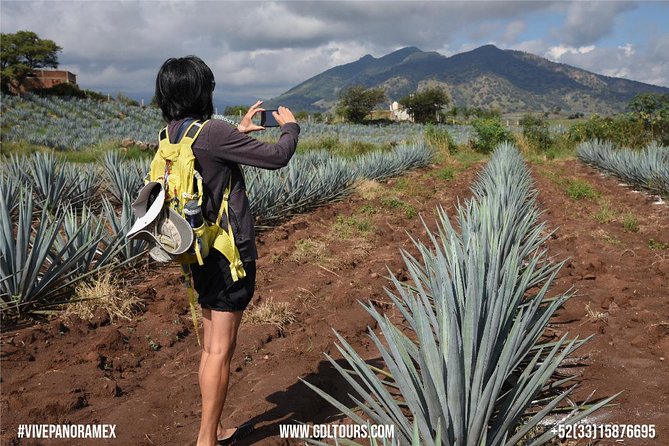
The fields associated with Jose Cuervo provide another look at the Tequila Valley’s agave-growing tradition. Rows of plants extend toward the surrounding hills and mountains, showing how closely tequila depends on the local ground and climate.
This is where the phrase UNESCO World Heritage site becomes more meaningful. The recognition covers not only pretty fields, but also the relationship between agave farming, old haciendas, distilleries, and the production methods that shaped the region.
You may see historic buildings and distillery facilities connected to the Jose Cuervo name. A later visit to the Jose Cuervo plant in town may include a video about production, but it is not the same as the hands-on traditional factory explanation. That distinction is useful when deciding how to spend your free time in Tequila.
Free time in the town of Tequila
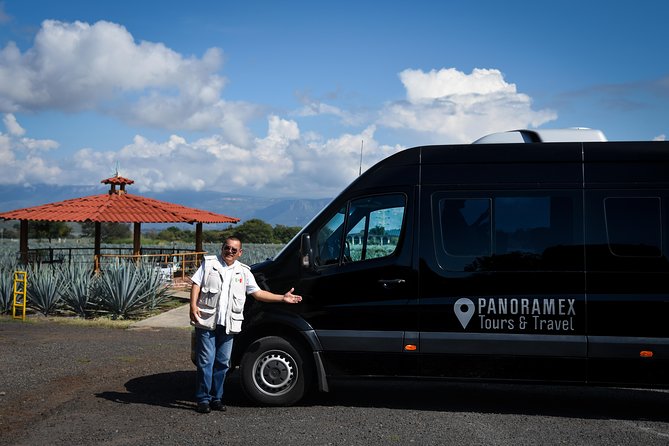
Tequila is the day’s main destination. Its central square, colorful facades, cobbled streets, food, craft stalls, and tequila shops give you room to explore at your own pace.
The Parish of St. James the Apostle anchors the main square. Around it, you can browse local goods, take photographs, look for food, or simply sit and watch town life. The Jose Cuervo facility on the main street is another visual highlight, with well-preserved buildings and an optional production presentation.
The schedule may provide two to three hours here. That is enough time to walk around the central area and nearby streets, but some people may find two hours too long if they are not shopping or ordering a meal. The historic core is compact, and the best use of the time depends on your interests.
I would use the free period for three things: photograph the main sign and square, look at the local market, and choose your own food rather than relying on a fixed lunch stop. The town has restaurants, bars, museums, and shops, giving you more control than a remote roadside meal.
Lunch is not included. Some arranged meal stops have been called overpriced or limited, while other meals were considered good. Since you have free time in Tequila, you may prefer to eat there, where you can compare menus and choose the setting that suits you.
The mural inside the Municipal Presidency
The mural in the Municipal Presidency adds a cultural finish to the town visit. Painted by José Manuel Martínez Valadez, it presents the tequila process from agave harvest through distillation.
The work also honors the jimadores and refers to pre-Hispanic deities linked to agave. That makes it more than a decorative stop. It shows how tequila production is tied to local identity, work, celebration, and older beliefs.
The mural is especially worthwhile if you want more than tastings and souvenir shopping. It gives you a quick visual guide to the whole subject you have been following all day.
Guides, vehicles, and the pace of the day
The guides are a major part of the experience. Carmen is repeatedly singled out for her humor, care, and ability to explain the route in English and Spanish. José is described as patient and entertaining, while José Luis has been especially good with families and children. Other named guides include Hector, Daniel, Ronny, and Sebastian.
That variety means the exact tone can change from one departure to the next, but the pattern is clear: expect a guide-led day with regular explanations, not a silent transfer between attractions.
The vehicle is air-conditioned, and bottled water is included. That is helpful because the itinerary involves repeated road segments. One return journey took about three hours because of traffic, so do not schedule a tight evening commitment in Guadalajara.
A small group has been reported on some departures, which can make questions and pickup easier, but group size is not specified as a fixed feature. I would not book this expecting a private tour.
Who should book it
This outing fits first-time visitors to Guadalajara who want to see Tequila in one day without renting a car. It also works well for families, couples, solo visitors, and friends who enjoy a mix of scenery, local culture, and guided tasting.
Families should note that the tour is not only about alcohol. The agave fields, mural, town square, horses, and production story can hold children’s interest, and José Luis was praised for being patient with kids. Still, it remains a tequila-focused day, so adults should decide if that balance suits their group.
You should think twice if you dislike long drives, prefer a slow town visit, or want to choose every meal and stop yourself. Traffic, a possibly lengthy period in Tequila, and the lack of included lunch are the main tradeoffs.
Free cancellation is available up to 24 hours before the start time for a full refund. Changes or cancellations within 24 hours are not refunded, and the experience may be canceled if a minimum number of participants is not met.
Should you book the Tequila Route Experience?
I would book this at $40 if you want the best practical introduction to the Tequila Route from Guadalajara. The combination of air-conditioned transport, an authentic factory lesson, four tequila styles, agave fields, a clay-jar drink, and time in Tequila gives you a lot for one day.
Before paying, confirm the pickup time and location, then plan for traffic and bring enough money for lunch. If you want a polished distillery-only experience, this route has more driving and more stops than necessary. If you want to understand how tequila connects farm, factory, and town, it is a well-priced choice.
FAQ
How long does the Tequila Route Experience last?
The experience lasts approximately eight hours, although heavy traffic can make the return to Guadalajara longer.
What time does the tour start?
The listed start time is 10:00 a.m. Pickup details have varied, with one confirmed arrangement giving 9:00 a.m., so you should confirm the exact time with Panoramex before departure.
What tequila tastings are included?
The tasting includes blanco, rested, aged, and extra-aged tequila.
Is lunch included?
No. Lunch is not included, and you should budget separately for food.
Is transportation provided?
Yes. An air-conditioned vehicle, bottled water, and travel insurance are included.
Can I cancel for a full refund?
Yes. You can cancel at least 24 hours before the experience start time for a full refund. Cancellations or changes made within 24 hours are not refunded.
Just added in Guadalajara
- Transfer by car to or from Guadalajara Airport★ 4.5 · 49 reviews
- Guachimontones Archaeological Tour★ 5.0 · 60 reviews
- Tlaquepaque and Tonala Private Full-Day Tour★ 5.0 · 31 reviews
- Tequila distillery experience, Jose Cuervo & Tequila Magic Town★ 4.5 · 61 reviews
- José Cuervo Tequila Day Experience from Guadalajara★ 5.0 · 126 reviews
- Tequila Express★ 4.5 · 110 reviews
- Charreria heritage tour be a charro for a day★ 5.0 · 188 reviews
- Private Full-Day Tour to Tequila and Guachimontones★ 4.5 · 66 reviews
Tours in Guadalajara, compared.
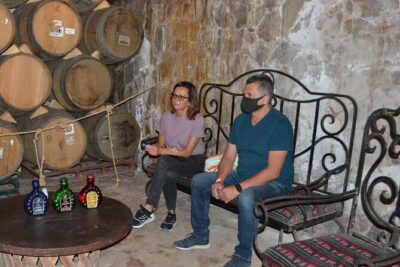
Full Day Tour to Tequila and Amatitán with Fun and Culture
Read our review →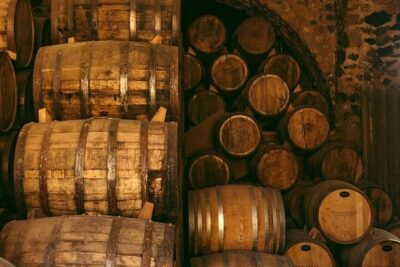
Tour to Lake Chapala, MAGIC TOWN of Ajijic from Guadalajara
Read our review →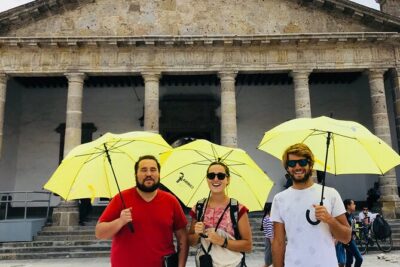

The Fire TOUR – Pyramids, Volcanoes, Agaves & Tequila
Read our review →
Lake Chapala and Ajijic Day Trip with Boat Trip
Read our review →Browse the lists this tour appears in