
Reviewed · TOURS IN GUADALAJARA
Charreria heritage tour be a charro for a day
Charrería is not simply horseback riding with a Mexican hat. At Campo Charro Jalisco, you learn how this Jalisco tradition developed, handle a lasso, ride in a real arena, and see why charros remain such an important part of local identity. The best guide named here is Jorge Torres, a working charro who teaches with patience, humor, and plenty of practical help.
I like two things right away: the tour gives you both cultural context and hands-on practice, and it uses the actual Lienzo Charro Charros de Jalisco rather than a staged photo setup. The tequila tasting and music at the end also make the visit feel social and distinctly Mexican.
The main caution is that this is more physical and dusty than a museum visit. Riding and lasso work take place on soft dirt, so wear suitable clothes and shoes. People with dust allergies should think twice, and you should eat before arriving since lunch is not included.
Key points to know before booking
- You ride in a working charro arena: The horse portion takes place at Lienzo Charro Charros de Jalisco, where charros compete and train.
- Jorge Torres leads the teaching: He explains the tradition, answers questions, helps with the horse, and teaches basic rope handling.
- The tour mixes several activities: Expect a museum and stable visit, history, lasso practice, horseback riding, tequila, and Mexican music.
- Pickup is only one way: A complimentary morning shuttle may collect you within specified parts of Guadalajara, but you arrange and pay for your own return.
- Tequila is for adults only: Alcoholic drinks are limited to participants aged 18 and over. Bottled water and riding helmets are included.
- Plan for about three hours: The scheduled start is 10 a.m., with the activity ending back at the Campo Charro meeting point.
Why charrería matters in Guadalajara
If you know Mexico mainly through mariachi, tequila, and colonial plazas, charrería adds another important piece. It is a riding and ranch tradition tied especially closely to Jalisco. The charro is not just a cowboy in formal clothing. The clothing, horsemanship, rope work, ceremony, and public competitions all carry meaning.
This tour gives you a useful introduction without asking you to sit through a long lecture. The museum visit helps put the activity in context, while the stables and arena show how the tradition connects to living horses and trained riders. That combination matters. You are not only hearing about charros as a symbol of Mexico, you are trying a few of the skills yourself.
The history portion is one of the strongest reasons to choose this outing over a basic horseback ride. You learn about the role of charros in Jalisco and the customs surrounding charrería before handling the equipment. That makes the later riding and rope work easier to understand.
Jorge Torres is especially important to the feel of the visit. He is described as bilingual, patient, funny, and careful about checking that people are comfortable. That matters if you have never been on a horse or feel uncertain around animals. The teaching is meant to bring you into the activity at a beginner level, not test you like a professional rider.
A few more things to do in Guadalajara worth a look
- History and Murals: Walking Tour Guadalajara
★ 5.0 · 237 reviews - Tequila/Guachimontones Tour-cultural heritage route
★ 5.0 · 136 reviews - Guadalajara: Mexican Charro and Charreada Cultural Tour
★ 4.8 · 83 reviews
The Campo Charro Jalisco setting
The meeting point is Campo Charro Jalisco, at Av. Dr. Roberto Michel 577 in the Rincón de La Agua Azul area of Guadalajara. The tour takes place at Lienzo Charro Charros de Jalisco, a proper charro arena rather than a generic ranch attraction.
You begin with the grounds, the museum, and the horse stables. The museum gives you a look at the objects and traditions connected to charrería. At the stables, you meet the horses before riding, which helps make the transition to the arena feel less abrupt.
The arena itself is a major part of the appeal. Riding where charros compete gives the activity a sense of place that you would not get from a short trail ride outside the city. One particularly useful tip is to check whether a Sunday visit coincides with a competition. If it does, you may be able to stay and watch professional charros after your scheduled activity.
Do not expect a polished theme park production. This is a working cultural venue, with dirt, horses, equipment, and the practical surroundings that come with them. That is good news if you want contact with the tradition, but less so if you prefer a tidy, air-conditioned attraction.
Museum and stable visit
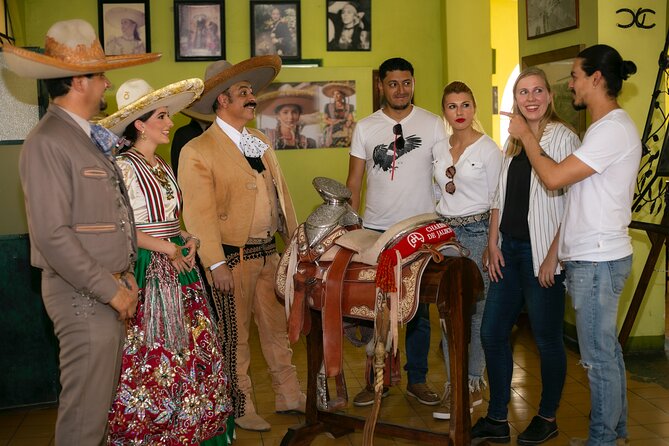
The first part introduces the visual side of charro culture. You can expect to see the history of charros explained through the museum and to learn why the clothing, riding gear, and customs matter.
The stable visit adds a more personal element. You get close to the horses and prepare for the riding section, while the guide explains what to do. This is a good place to ask questions about the animals and how they are handled.
I would treat this as an introduction rather than a long museum tour. The supplied schedule lists one main stop, and the entire activity lasts about three hours. Much of that time is shared between the history, horse work, rope practice, riding, and closing refreshments.
The horses are described as gentle, and the guide helps participants who are nervous. Still, you should be comfortable with dust, animal contact, and riding movement. Wear clothes that can get dirty. A helmet is provided, but you will want practical footwear and clothing that allows you to move freely.
Learning the lasso before mounting up
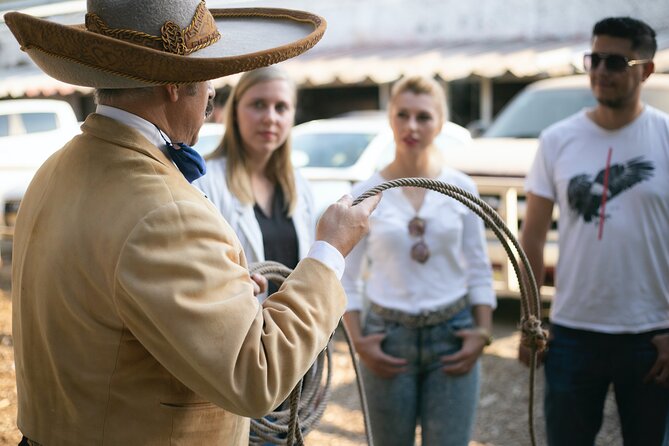
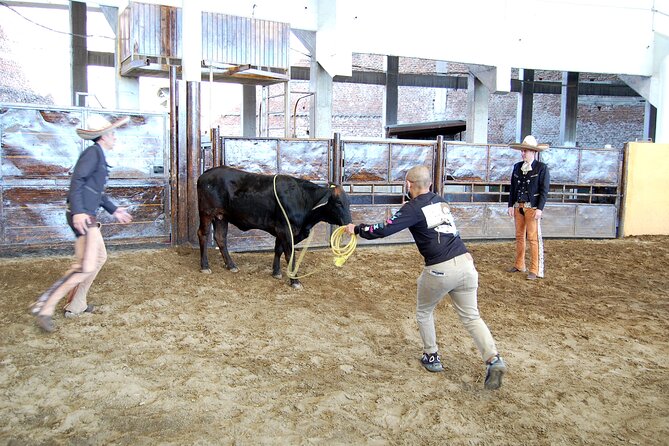
The lasso lesson is where the tour becomes genuinely hands-on. You learn basic rope handling from an experienced charro and practice the movement before or around the riding portion. It is harder than it looks, which is part of the fun.
Do not judge yourself by how quickly you can make a clean loop. The point is to understand the coordination, timing, and control involved in charro work. You may laugh at your first attempts, then get a better feel for the rope with Jorge’s help.
The teaching style sounds well suited to beginners. Jorge is described as patient and willing to answer questions, and the activity is presented as a chance to try charro skills rather than master them. Families with older children have enjoyed the practice, including children aged 12 and 16.
This section also gives you a better respect for professional charros. A short lasso demonstration can look easy when someone experienced does it. Trying it yourself shows how much practice goes into the movement.
Same base, a different sort of day:
- Full Day Tour to Tequila and Amatitán with Fun and Culture
★ 5.0 · 681 reviews - The Agave Experience Tequila Tour in Jalisco
★ 5.0 · 520 reviews - Tour to Lake Chapala, MAGIC TOWN of Ajijic from Guadalajara
★ 4.5 · 476 reviews - Walk Guadalajara!
★ 5.0 · 474 reviews
Riding in the arena
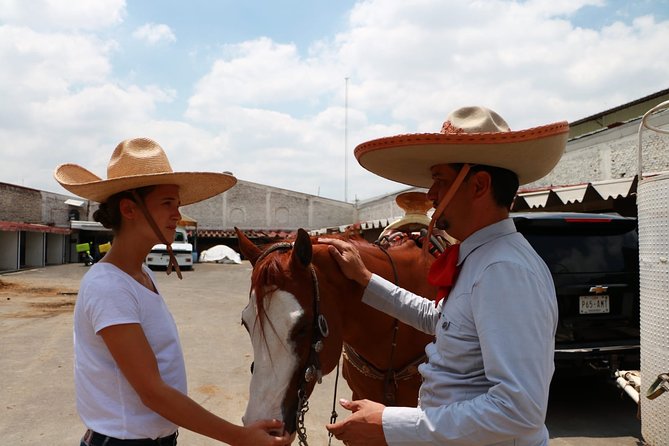
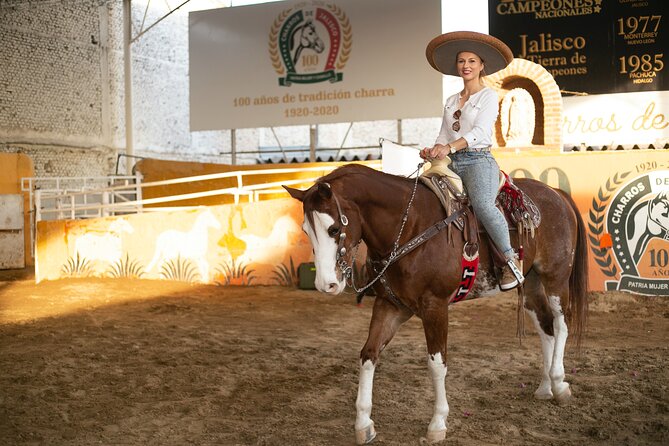
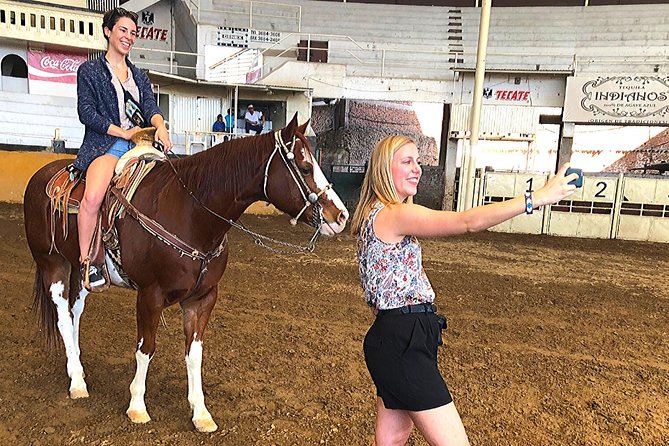
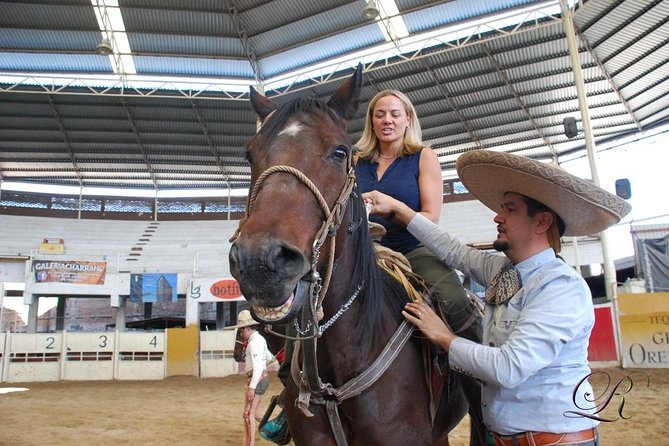
After the introduction and rope lesson, you ride a horse in the charro arena. This is not described as a long trail ride through the countryside. It is a controlled opportunity to experience the arena and learn how a charro rides.
That distinction is useful when deciding if this tour suits you. If you want hours on horseback or mountain scenery, choose a dedicated riding excursion instead. If you want a short ride tied to Mexican culture and horsemanship, this format makes more sense.
The arena gives the ride its meaning. You are not simply sitting on a horse for a quick photograph. You are riding in a place where charros compete, with the earlier museum and history lesson fresh in your mind.
The physical demands are manageable for most participants, but not entirely passive. One especially practical note is to dress for athletic activity on soft dirt. The riding and lasso work may leave you dusty, and people with dust allergies are specifically advised against booking.
A helmet is included. Service animals are allowed, and the activity is near public transportation. Most people can participate, although the operator does not give a detailed list of riding restrictions, so contact them in advance if you have a specific mobility or health concern.
Tequila and music at the end
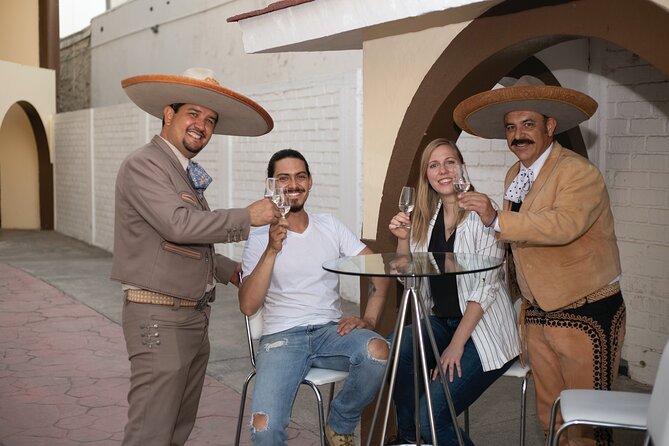
The closing portion shifts from instruction to hospitality. Adults aged 18 and older can take part in a tequila tasting, while everyone can enjoy the traditional Mexican music. The tour description refers to mariachi, and several accounts also describe Jorge playing guitar and singing.
That final change of pace is important. After the museum, horses, and lasso work, you have time to sit back and connect with the guide and other people in the group. It gives the visit a warmer ending than simply stepping off the horse and leaving.
The music may be one of the more personal parts of the experience. Jorge is described as an excellent singer, and the guitar performance has been a memorable part of the finish. The exact setup can vary, so treat it as a likely cultural moment rather than a formal concert.
The tequila is tasting only, not a full meal or drinking session. Bottled water is included, but lunch is not. Eat before the 10 a.m. start, especially if you tend to get hungry after physical activity. This small bit of planning can make the difference between enjoying the final music and thinking mainly about food.
Pickup, timing, and group size
The tour begins at 10 a.m. at Campo Charro Jalisco and ends at the same meeting point. A complimentary morning shuttle can pick you up from specified areas in the Guadalajara metropolitan area, but you must provide your address by 6 p.m. the day before if you want that service.
The return trip is not included. This is the most important transport detail to understand. You may arrive by the tour shuttle, but you are responsible for getting back afterward and paying for that return yourself.
If you do not request pickup, go directly to the lienzo for 10 a.m. The activity has a maximum of 25 participants. That is large enough to create a social group, but small enough for the guide to provide hands-on help, assuming everyone takes turns during the horse and lasso sections.
The scheduled length is about three hours. Build in some flexibility if you visit on a day with a charreada or competition and want to remain afterward. Any extra event beyond the scheduled activity should be treated as separate time, not part of the three-hour promise.
Is this good value?
No price is provided here, so I cannot make a direct peso-for-peso judgment. I can still tell you what you are paying for: a guide-led cultural lesson, access to a charro venue, a museum and stable visit, riding, lasso practice, a helmet, bottled water, tequila for adults, and music.
That is a stronger package than a basic horse ride. The value comes from the range of activities and from the setting. You get a clearer sense of charrería because the history, equipment, horses, and arena all connect.
The tour is less valuable for someone who wants a serious riding lesson or a full day at a ranch. Three hours leaves enough time to sample several elements, but not enough to become skilled with a lasso or learn every detail of charro competition.
For families, couples, solo visitors, and groups of friends, the mix works well. Children should be old enough to follow instructions and take part safely, but the available information does not state a minimum age for riding. Tequila tasting is restricted to adults 18 and older.
Who should book this experience
I would choose this tour if you want a cultural activity that gets you out of the usual Guadalajara food, tequila, and architecture circuit. It is especially suitable if you like horses, local traditions, hands-on learning, or meeting a guide who is closely tied to the subject.
It also works for people who are curious about Mexican identity beyond the most familiar symbols. Charrería brings together horsemanship, clothing, music, ceremony, and regional pride in one compact visit.
You may want to skip it if you dislike dust, cannot comfortably ride, have a strong fear of horses, or want a quiet museum morning. The lasso practice and arena riding are active, and the setting is not designed to be pristine.
The group limit of 25 makes this more personal than a large bus tour, but it is still a group activity. If you want a private lesson with uninterrupted riding time, this may not be the right format.
Booking and cancellation advice
Confirmation is provided at booking. Free cancellation is available until 24 hours before the local start time, giving you a reasonable buffer for changes to your Guadalajara plans.
Cancellations or changes made within 24 hours are not refunded. The activity also depends on good weather. If poor weather causes cancellation, you can choose another date or receive a full refund.
That policy makes it wise to book once you know your schedule, but not so early that you cannot judge the weather or your transport plans. If you want the morning pickup, send your address by 6 p.m. the day before.
My take on the charro experience
I like this tour because it treats charrería as a living tradition rather than a costume backdrop. You see the museum, meet the horses, try the rope work, ride in the arena, and finish with tequila and music. Each part is short, but together they explain why the charro remains such a strong Jalisco figure.
Jorge Torres appears to be the key to the experience. His patience matters for beginners, and his guitar playing and singing add a personal finish that a standard attraction cannot easily copy.
Book it if you want a compact, active introduction to Jalisco culture and do not mind dust or a little physical effort. Eat first, arrange your return ride, wear practical clothes, and ask about a Sunday competition. With those details handled, this is a distinctive three-hour addition to a Guadalajara visit.
FAQ
Where does the charro tour begin?
It begins at Campo Charro Jalisco, at Av. Dr. Roberto Michel 577, Rincón de La Agua Azul, 44460 Guadalajara, Jalisco, Mexico.
What time does the activity start?
The scheduled start time is 10 a.m.
How long does the tour last?
The activity lasts approximately three hours.
Is hotel pickup available?
A complimentary morning shuttle can pick you up within specified areas of the Guadalajara metropolitan area. You must provide your address by 6 p.m. the day before. If you do not request pickup, meet at Lienzo Charro Jalisco at 10 a.m.
Is return transportation included?
No. The complimentary transfer covers arrival only. You are responsible for the cost of your return trip.
What activities are included?
You visit the museum and horse stables, learn about charro traditions, practice lasso work, ride a horse, and enjoy tequila tasting for adults along with traditional Mexican music.
Is tequila included for everyone?
Tequila tasting is available only to people aged 18 or older. Bottled water is included.
What happens if the weather is bad?
The activity requires good weather. If it is canceled because of poor weather, you can receive a full refund or choose a different date.
Just added in Guadalajara
- Transfer by car to or from Guadalajara Airport★ 4.5 · 49 reviews
- Guachimontones Archaeological Tour★ 5.0 · 60 reviews
- Tlaquepaque and Tonala Private Full-Day Tour★ 5.0 · 31 reviews
- Tequila Express★ 4.5 · 110 reviews
- Tequila distillery experience, Jose Cuervo & Tequila Magic Town★ 4.5 · 61 reviews
- José Cuervo Tequila Day Experience from Guadalajara★ 5.0 · 126 reviews
- Private Full-Day Tour to Tequila and Guachimontones★ 4.5 · 66 reviews
- Tequila Route Experience from Guadalajara★ 5.0 · 102 reviews
Tours in Guadalajara, compared.
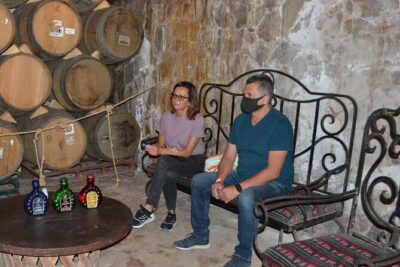
Full Day Tour to Tequila and Amatitán with Fun and Culture
Read our review →

Tour to Lake Chapala, MAGIC TOWN of Ajijic from Guadalajara
Read our review →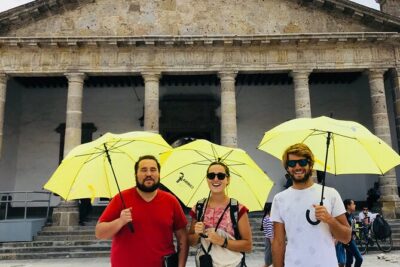

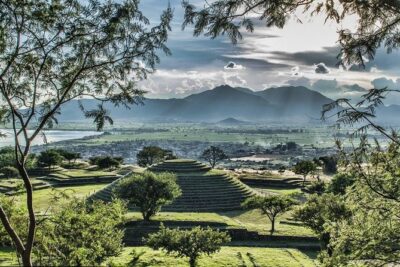
The Fire TOUR – Pyramids, Volcanoes, Agaves & Tequila
Read our review →
Lake Chapala and Ajijic Day Trip with Boat Trip
Read our review →Browse the lists this tour appears in