
Reviewed · TOURS IN COZUMEL
Open Water Course Cozumel
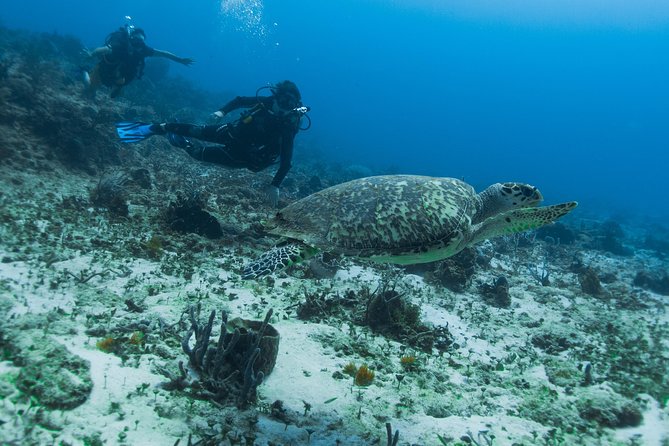
Cozumel’s clear Caribbean water is the headline here, but the smartest part of this course is the training path that leads you there. You begin with theory and pool practice, then work toward open-water certification in places such as Casa Cenote and the Mesoamerican Reef.
I like the patient, skills-first instruction, especially the attention given to trim, buoyancy, and gentle fin techniques. I also like the small private-group format, which gives your instructor room to slow down when a mask, regulator, or nervous first breath needs extra attention.
The main consideration is time and fitness. This is not a quick sightseeing outing. You need to complete study, confined-water training, and several open-water sessions, and the schedule may cover two or three days depending on your preparation and availability.
Key points to know before booking

- Three-part certification: Complete theory, confined-water skills, and open-water training before earning your PADI qualification.
- Cozumel reef finale: The final sessions may take you to the Mesoamerican Reef off Cozumel, with ferry travel from the Riviera Maya area.
- Casa Cenote option: One reported course itinerary used Casa Cenote in Tulum for the first two open-water sessions.
- Patient instruction: Jon, Cata, and Mariana are named instructors associated with the course, with special attention to comfort and communication.
- Marine-minded training: You learn buoyancy and fin control in ways intended to protect coral and avoid stirring up the bottom.
- Two or three days: Online study can shorten the classroom portion, but you still need enough time for practical training and assessment.
A certification course built around real underwater skills

This course is designed for someone who wants more than a quick introduction to scuba. The goal is a recognized PADI Open Water certification, which means you learn how to use standard equipment, manage yourself underwater, and complete the required training under an instructor’s supervision.
Your basic equipment includes a mask, snorkel, fins, regulator, buoyancy control device, and tank. You are not simply handed the gear and sent toward the reef. The instructor checks your progress throughout the course and answers questions as you work through each stage.
That approach matters for a first-time student. Scuba can feel strange at first, especially when you are breathing through a regulator, adjusting your buoyancy, or clearing water from a mask. A calm instructor who lets you repeat a skill instead of rushing you can make the difference between a stressful lesson and a useful foundation.
The course is offered in English and is a private activity for your group. That does not mean you get a completely custom schedule, since the required training still has to be completed, but it does give your instructor a better chance to match the pace to your group.
Other trips people book in Cozumel:
- Mr. Sanchos Beach Club All-Inclusive Day Pass
★ 4.5 · 6,744 reviews - Cozumel: Paradise Beach Club All-Inclusive Day Pass
★ 4.5 · 3,311 reviews - ATV 4×4+Snorkeling+Beach Club+ Lunch+Sabores de Cozumel
★ 5.0 · 1,468 reviews
Day one: theory, equipment, and confined-water practice
The first stage is Knowledge Development. You can complete the theory online through independent study or take it in a classroom. The online option is useful if you want to handle the reading and quizzes before arriving, leaving more of your scheduled course for practical work.
Classroom study may suit you better if you prefer to ask questions as each subject comes up. You will need to understand basic scuba principles before entering open water, so do not treat the theory as a formality. It provides the reasoning behind the safety procedures you will use later.
The practical work begins in confined water. A small pool at the training site has been used for beginner buoyancy work, giving students a controlled setting to become familiar with the equipment. This is where you practice the essential actions that must become natural before the scenery becomes part of the lesson.
Expect instruction on using the regulator, mask, fins, buoyancy control device, and tank. You work on basic scuba skills while the instructor checks your comfort and progress. If you need more time, this is the moment to take it.
I particularly like the emphasis on body position and fin technique. Good trim helps you move with less effort, and controlled fin strokes keep you from kicking up the bottom. That is useful for your air supply, your confidence, and the coral below you.
For a nervous beginner, the pool may be the most important part of the entire course. There is less to distract you, and your instructor can focus on breathing, balance, and equipment handling before asking you to manage those skills in a larger setting.
The open-water stage: from practice to real conditions

Once you have shown that you understand the basic skills, you move into open water. This is where the course becomes more than equipment practice. You begin using your training while looking at fish, coral, and the wider underwater setting.
One three-day schedule described a first pair of open-water sessions at Casa Cenote near Tulum. A cenote offers a different setting from the open Caribbean. The water can feel calm and enclosed, and the site gives you a chance to work on your skills while beginning to observe aquatic life.
You should keep your attention on the lesson rather than treating the cenote as a sightseeing stop. The instructor sets the purpose for each session and explains which skills you should focus on. That clear briefing is important because new students can easily become distracted by the surroundings.
After the cenote sessions, the group traveled by ferry to Cozumel for the final two open-water sessions along the Mesoamerican Reef. The reef is the course’s natural payoff, but it is also where your training matters most. You need to control your buoyancy, stay aware of your equipment, and follow your instructor’s underwater communication.
Cozumel adds the appeal of a genuine reef setting, but conditions in open water are less controlled than those in a pool. You may need to manage movement, visibility, and your own nerves at the same time. The progression from pool to cenote to reef helps make that change more manageable.
The exact order and locations can vary with the course schedule, weather, and availability. The essential structure remains the same: knowledge, confined-water skills, and supervised open-water practice.
Instructors who focus on calm progress
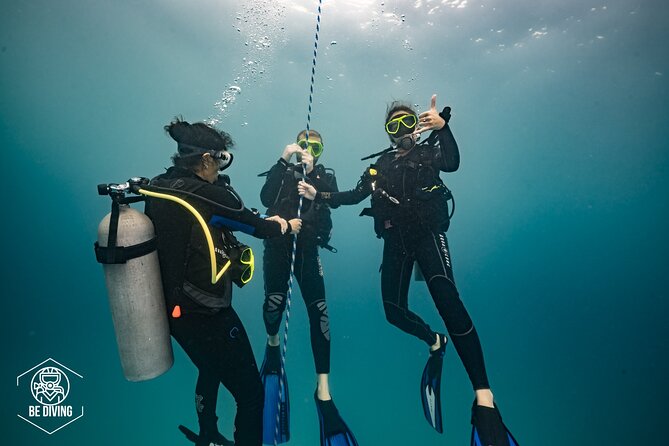
The named instructors connected with this experience include Jon, Cata, and Mariana. The strongest pattern in the teaching is patience. The course is intended to help you become self-sufficient underwater, not simply follow an instructor while waiting for directions.
That distinction is worth paying attention to when you compare scuba schools. A good beginner course should teach you to check your equipment, control your position, respond to common problems, and communicate underwater. Your instructor remains close by, but the aim is to build your own judgment.
Jon is specifically associated with careful buoyancy instruction, trim, and efficient kicking. Those details may sound technical, but they affect almost every future scuba outing. A student who learns to avoid coral contact and bottom disturbance from the beginning develops habits that are useful around the world.
Mariana is associated with a reassuring teaching style and close attention to student comfort. That can be valuable if you are uneasy about your first underwater breathing experience. Cata is also named as part of the teaching team, with an emphasis on safe and environmentally responsible training.
Instructor quality can vary from one course to another, so it is sensible to confirm who will teach your group when you book. The available information points to several instructors rather than promising one specific person for every date.
Same base, a different sort of day:
- Cozumel Snorkeling Tour: Palancar, Columbia and El Cielo Reefs
★ 4.5 · 1,462 reviews - From Cozumel: 3 Reefs Boat Tour with Drinks and Snorkeling
★ 4.3 · 1,080 reviews - The Cozumel Turtle Sanctuary Snorkel Tour
★ 4.5 · 1,041 reviews - Submarine Atlantis Cozumel Adventure by Day & Sunset
★ 4.5 · 770 reviews
Marine conservation is part of the lesson
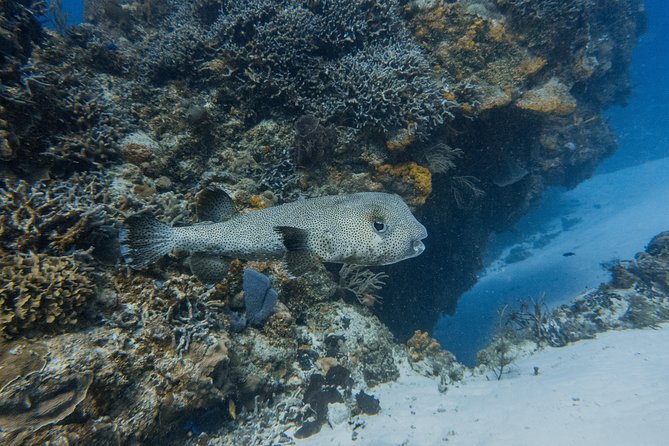
This course presents reef care as part of proper scuba technique, not as a separate lecture tacked onto the day. Stable buoyancy, careful fin movement, and avoiding contact with coral are practical ways to reduce damage.
You will spend time learning how to move without stirring up sand or striking the bottom. That is good for the underwater setting, but it also makes your future outings more comfortable. Better control means less effort, fewer accidental bumps, and more time calmly observing the area around you.
The environmental focus is especially suitable for anyone who wants to continue scuba after certification. Your first course sets your habits. If you learn to hover above the reef and keep your hands off coral from the start, you carry those habits into later trips.
The conservation message does not replace the required safety instruction. It works alongside it, connecting responsible behavior with better technique.
What $600 includes in practical value

The listed price is $600 per person. That is a significant cost, but you are paying for a certification course rather than a single half-day outing. The package covers a multi-stage training process with theory, confined-water instruction, and open-water sessions under supervision.
The value is strongest if you want a qualification you can use for future scuba activities. It is less compelling if you only want to look underwater once, since a shorter introductory experience may better match that goal.
The course can be completed in two or three days. That flexibility helps if you have a tight Riviera Maya schedule, but you should not choose the shortest option simply to save calendar space. If you need more practice with equipment or buoyancy, extra time may be worth more than a rushed finish.
Some course groups have included friends who were only taking a single-day underwater outing. The team was able to accommodate both the certification students and the additional participants, though you should confirm any mixed-group arrangement before booking.
The course also has an underwater photo and video option mentioned by past participants. These images may be available for purchase afterward. That can be a nice souvenir, but it is not part of the stated price, so budget separately if you want media.
Getting around Cozumel and the Riviera Maya
The activity begins in San Miguel de Cozumel, Quintana Roo, and ends back at the meeting point. The information also gives a ticket redemption point at 10 Avenida Nte. 173-5 in Gonzalo Guerrero, Playa del Carmen.
Those two location references matter. The course is presented as a Cozumel experience, but some training arrangements operate across Playa del Carmen, Tulum, and Cozumel. A published three-day schedule used Casa Cenote and then the ferry to Cozumel, while other schedules may organize the sessions differently.
Ask for the exact meeting point and daily transport plan before you pay. The available details indicate that travel and lunch were handled for at least one course group, but you should confirm what is included for your date rather than assume every schedule has identical arrangements.
The activity is near public transportation, and confirmation is provided at booking. You should plan for a moderate level of physical fitness. Scuba equipment has weight, and the course involves entering the water, moving with fins, and spending time in confined and open water.
Who will get the most from this course

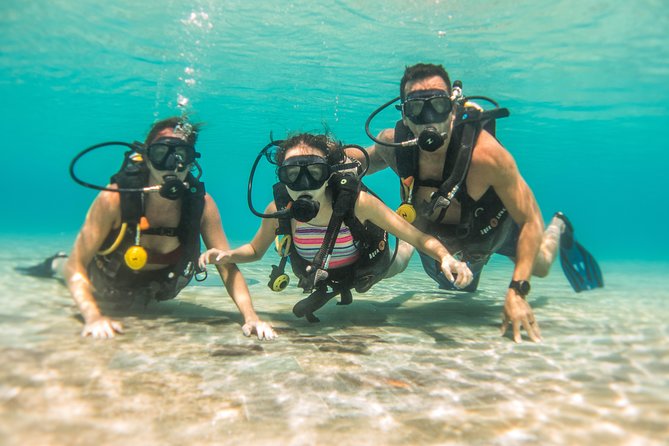
This is a strong match for a first-time student who wants patient instruction and intends to continue scuba after the holiday. It is also suitable for friends or couples who want to complete certification together, provided everyone is comfortable with the time and physical demands.
You should be ready to study, listen closely, repeat skills, and accept that the instructor may spend extra time on fundamentals. The course is not designed for someone who wants to skip straight to reef sightseeing.
The private format may be especially helpful if people in your group have different confidence levels. One person may need more time with mask skills, while another may be ready to work on buoyancy. A private group gives the instructor more flexibility than a large class.
The course is offered in English, so you should be comfortable receiving safety instruction and communicating with your instructor in English.
Booking, weather, and cancellation details
The experience is often booked about 24 days ahead, so reserving early is sensible if your vacation dates are fixed. The provider requires a minimum number of participants, and poor weather can also affect the schedule.
You can cancel for a full refund up to 24 hours before the local start time. Changes or cancellations inside that window are not accepted for a refund. If the provider cancels because of weather or because the minimum group size is not reached, you can choose another date or experience, or receive a full refund.
Ask about medical and participation requirements before booking if you have concerns. The stated guidance calls for moderate physical fitness, but the supplied information does not provide a detailed medical screening policy.
Should you book the Cozumel Open Water Course?
I would choose this course if you want a proper PADI Open Water certification and care about learning good habits from the beginning. The combination of pool practice, structured open-water sessions, and reef training gives you a useful progression rather than a rushed introduction.
The strongest reasons to book are the private format, the attention to buoyancy and environmental care, and the patient instruction associated with Jon, Cata, and Mariana. The main reasons to pause are the $600 price, the two or three-day commitment, and the need to confirm exactly where your particular schedule will take place.
Book early, complete the online theory if you want to save classroom time, and ask for the meeting points, instructor, transport, lunch, and photo costs before confirming. If you want a certificate you can use on future scuba trips, this looks like a careful and supportive way to earn it.
FAQ
How long does the Open Water course take?
The course can be completed in two or three days, depending on your availability and how the training is arranged.
Is the theory completed online or in person?
You can choose online independent study or classroom instruction for the theory portion.
What are the three stages of the course?
The three stages are Knowledge Development, Confined Water Dives, and Open Water Dives.
What equipment will I learn to use?
You will learn to use a mask, snorkel, fins, regulator, buoyancy control device, and scuba tank.
Is the course taught in English?
Yes. The course is offered in English.
Where does the activity start?
The listed starting location is San Miguel de Cozumel, Quintana Roo, Mexico.
Where does the activity end?
The activity ends back at the meeting point.
Does the course include Cozumel reef sessions?
The course includes open-water training around Cozumel’s Mesoamerican Reef as part of the described experience. The precise order and locations can vary.
Is this a private activity?
Yes. Only your group participates in the private activity.
What happens if bad weather cancels the course?
You can choose a different date or receive a full refund if the provider cancels because of poor weather.
Just added in Cozumel
- Half-Day Island Tour with Mayan Experience & Beach Break★ 4.5 · 101 reviews
- Private Shuttle from Inside Cozumel Airport to hotels in Cozumel★ 4.5 · 182 reviews
- ATV and Clear Boat Ride Full Experience in Cozumel★ 4.5 · 111 reviews
- E-Bike Adventure in Cozumel – West Side Ride N’ Snorkel★ 4.5 · 89 reviews
- Off Road ATV Tour with Caverns, Cedral & Beach Time with Transfer★ 4.5 · 39 reviews
- Cielito Cozumel: Mexican Caribbean Snorkeling Tour★ 4.5 · 83 reviews
- Traditional Family Kitchen in Cozumel★ 5.0 · 165 reviews
- VIP Private Glass Bottom Boat and Snorkeling, 3 Reefs in Cozumel★ 4.5 · 43 reviews
Tours in Cozumel, compared.
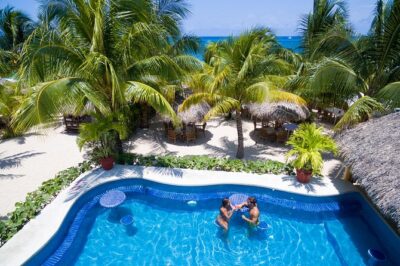
Mr. Sanchos Beach Club All-Inclusive Day Pass
Read our review →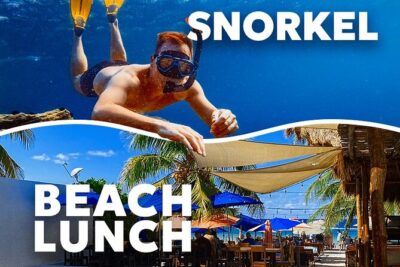
ATV 4×4+Snorkeling+Beach Club+ Lunch+Sabores de Cozumel
Read our review →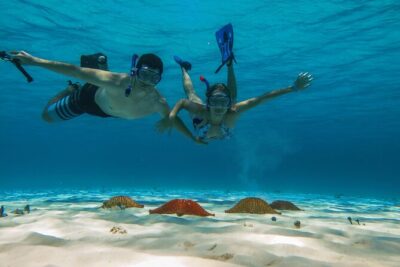
Cozumel Snorkeling Tour: Palancar, Columbia and El Cielo Reefs
Read our review →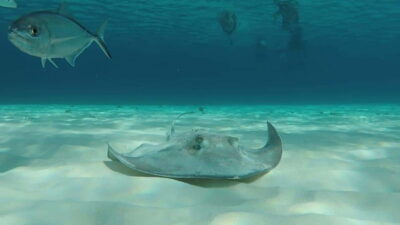
Submarine Atlantis Cozumel Adventure by Day & Sunset
Read our review →
Private Jeep Excursion in Cozumel with Lunch and Snorkeling
Read our review →
Browse the lists this tour appears in