
Reviewed · CHOCOLATE & CACAO WORKSHOPS
Cozumel: Chocolate Workshop at The Mayan Cacao Company
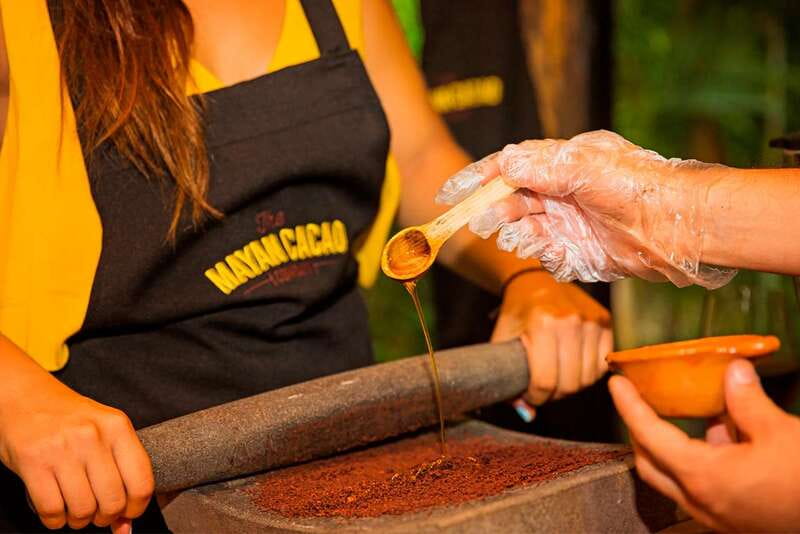
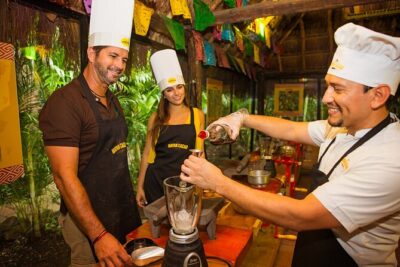
The best part of this Cozumel workshop is that you do not just hear about Mayan cacao culture, you work the beans yourself. You grind cacao on a traditional metate, add simple ingredients, and leave with a chocolate bar you made by hand. I like that the activity connects food with Mayan social and religious life instead of treating chocolate as just a sweet snack.
I also like the generous tasting at the end. Thirteen artisanal chocolates give you a useful sense of how broad Mexican chocolate can be, and guides such as Paty, Roberto, and Eduardo bring plenty of warmth and audience participation. The main drawback is practical: the workshop is not suitable for people with chocolate or nut allergies, and the site is not wheelchair accessible.
Key points at a glance
- Grind cacao on a pre-Hispanic metate: You take part in the hands-on work instead of watching a demonstration from the sidelines.
- Connect chocolate with Mayan culture: The workshop explains cacao as a sacred food, a status symbol, and part of religious ceremonies.
- Make a chocolate bar: Ingredients and tools are provided, so you create something tangible to take away.
- Taste 13 artisanal chocolates: The final tasting adds real value for anyone curious about Mexican chocolate.
- Guides make the difference: Paty, Roberto, Eduardo, and Leti are praised for clear explanations, humor, and patient help.
- Allow 1.5 hours at the company: You arrange your own transport and should arrive 15 minutes before the start.
Starting at The Mayan Cacao Company
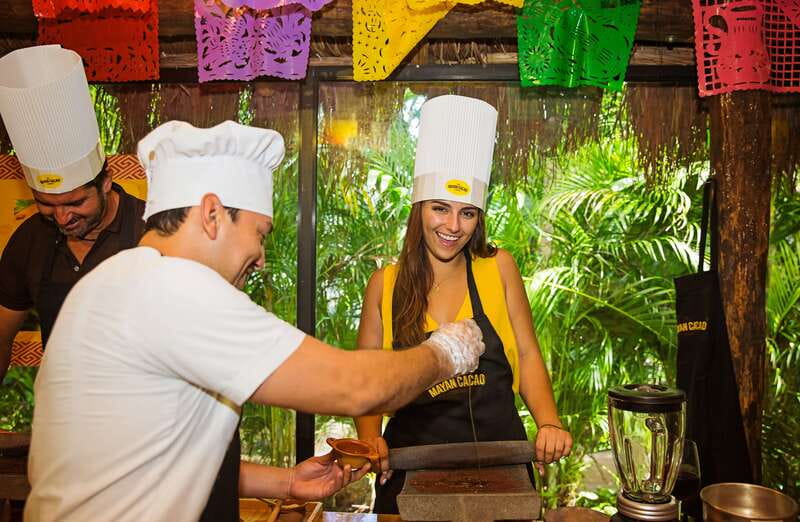
This is a focused workshop rather than a full-day Cozumel tour. You meet at The Mayan Cacao Company in Quintana Roo, arrive 15 minutes early, and spend about an hour and a half learning, making, and tasting.
That compact schedule works well if you are fitting the activity around other plans. It also makes this a practical choice for a cruise stop or a short stay, provided you arrange your own way to the meeting point. Hotel pickup and drop-off are not included, so do not expect transportation to be part of the $40 price.
The setting is described as beautiful, but the main appeal is the activity itself. You are there to handle cacao, hear the cultural background, and sample chocolate. If you want a broad sightseeing tour of Cozumel, this will feel narrow. If you want a hands-on food experience with a clear theme, the short format is useful.
Guides speak Spanish and English. The strongest personal touch comes from the instructor. Paty is repeatedly described as friendly, patient, and generous with her time. Roberto is praised for an energetic presentation and plenty of interaction. Eduardo is especially good at explaining the process in a way that works for children, while Leti made the cacao story engaging for children aged nine and eleven.
More cacao and chocolate sessions in Cozumel:
- Chocolate & Margarita Workshop
★ 5.0 · 207 reviews - Chocolate Workshop
★ 5.0 · 92 reviews - Chocolate Seaside Workshop & Wine Tasting
★ 5.0 · 76 reviews
Why cacao mattered to the Maya
The opening talk gives the chocolate making a reason to matter. Cacao was not simply a dessert ingredient in pre-Hispanic Mayan society. It served as a sacred food, a sign of prestige, a social centerpiece, and a cultural touchstone.
That context is important. Without it, grinding beans can feel like a novelty activity. With it, the metate and cacao seeds become part of a larger story about ceremonies, status, daily life, and the relationship between food and belief.
The workshop also explains that the cacao used in the activity is connected with rituals and ceremonies honoring Mayan gods. That does not turn the session into a formal history lecture. Instead, the cultural material is folded into the practical work, which helps younger children and visitors who prefer an active lesson.
The tone appears to be light rather than academic. One guide was nicknamed the Mexican Willy Wonka, a useful clue about the mood: expect enthusiasm, humor, and audience participation rather than a dry museum talk. Guides answer questions and may spend extra time with a small group. That flexibility is a real advantage if you want to ask about ingredients, customs, or the steps you are seeing.
Grinding cacao on the traditional metate
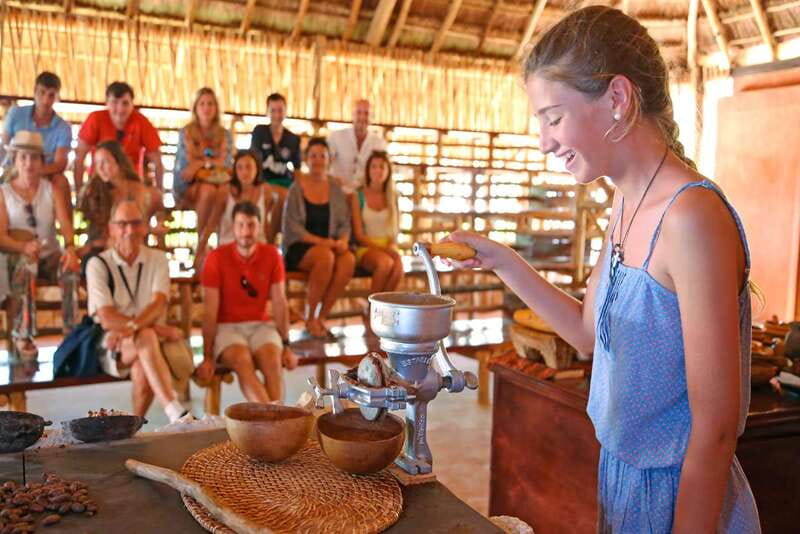
The most memorable physical task is grinding the cacao seeds on a traditional pre-Hispanic metate. A metate is a stone grinding tool, and using it gives you a direct sense of the effort involved in turning beans into a workable chocolate mixture.
You should not expect a polished modern kitchen demonstration where every step is hidden behind machines. The point is to handle the ingredients and see how a simple set of tools could produce an important food. The activity has enough physical work to keep children interested, though younger children may need help. One parent specifically noted that a little child could take part and felt proud of the chocolate made.
You then mix the ground cacao with simple ingredients. The supplied information does not specify every ingredient or the exact recipe, so do not arrive expecting to reproduce a full commercial chocolate formula at home. What you do receive is a clear look at the traditional process and the chance to turn your own mixture into a bar.
This is where the workshop earns its hands-on label. You are not merely given a souvenir bar. You make one using the cacao seeds, tools, and ingredients provided as part of the admission. The result may be less perfectly shaped than a shop-bought bar, but that is part of the appeal.
Making your own handmade chocolate bar
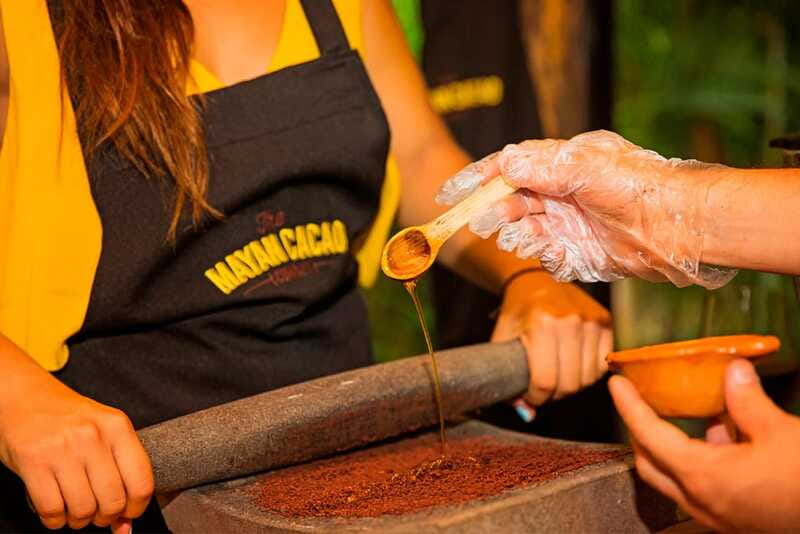
The handmade bar is the central payoff. After hearing about cacao and grinding the seeds, you combine the ingredients and shape your own chocolate.
I like this part because it gives the lesson a clear finish. You have learned something, used a traditional tool, and produced a small reminder of the activity. It is also easy for children to understand. They may not remember every detail about Mayan social customs, but they will remember that they ground cacao and made chocolate.
The process is interactive enough for a family, but adults should not assume it is only a children’s activity. The cultural explanation gives it substance, and the tactile work makes it more memorable than a standard tasting. Couples and small groups can also make good use of the session, especially if they enjoy food traditions and do not need a packed sightseeing schedule.
Bring comfortable clothes. Chocolate making is not the kind of activity for your smartest dinner outfit, though the information provided does not specify how messy the process becomes. Cash is also recommended, so carry some for purchases at the chocolate boutique or any additional food and drinks.
Same base, a different sort of day:
- Mr. Sanchos Beach Club All-Inclusive Day Pass
★ 4.5 · 6,744 reviews - Cozumel: Paradise Beach Club All-Inclusive Day Pass
★ 4.5 · 3,311 reviews - ATV 4×4+Snorkeling+Beach Club+ Lunch+Sabores de Cozumel
★ 5.0 · 1,468 reviews - Cozumel Snorkeling Tour: Palancar, Columbia and El Cielo Reefs
★ 4.5 · 1,462 reviews
The 13-chocolate tasting
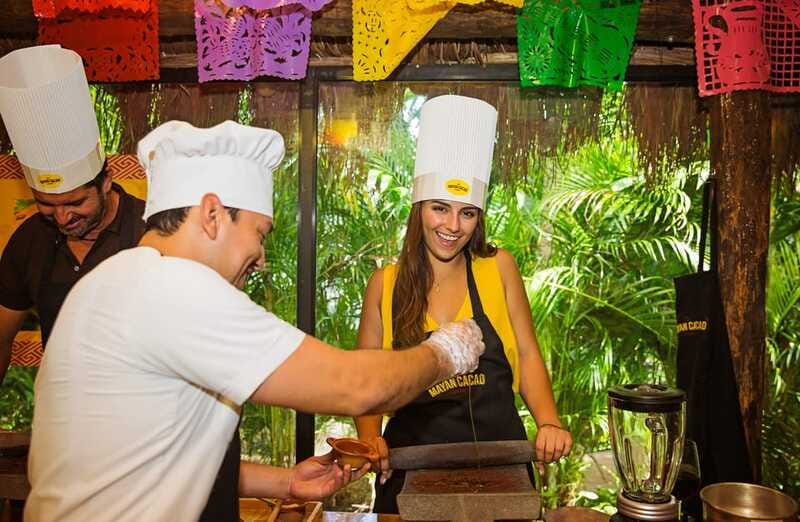
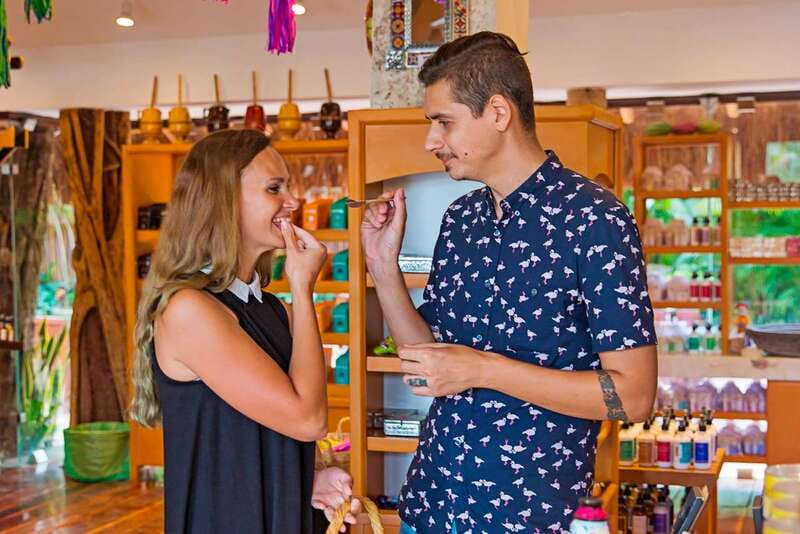
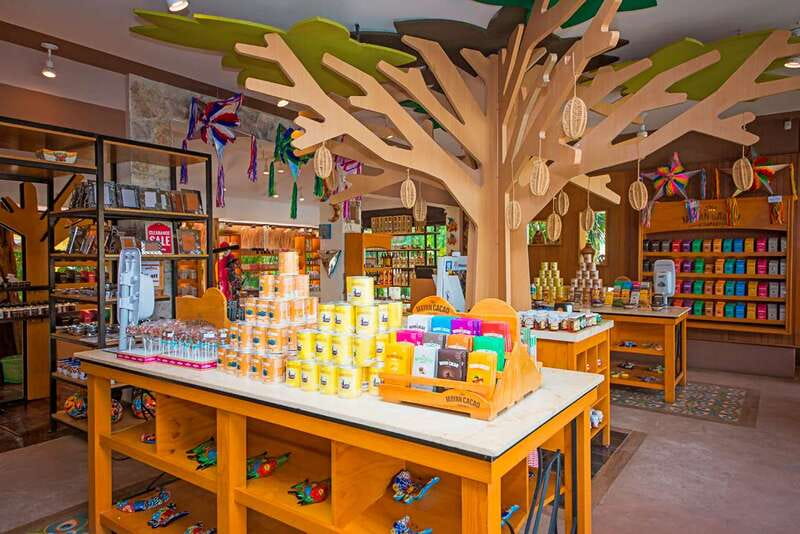
After the workshop, you visit the chocolate boutique and taste 13 artisanal chocolates. This is more than a single sample at the end. It gives you enough variety to compare flavors and textures and to decide what you might want to buy.
The tasting also broadens the experience beyond the Mayan method. You have just made a simple handmade bar, then you can compare it with finished artisanal products. That contrast helps you understand the work involved in producing chocolate for sale and the range of styles available.
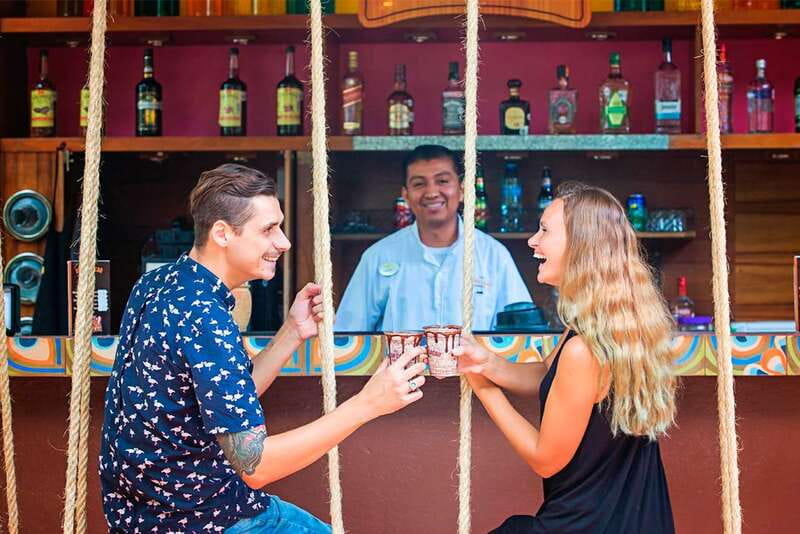
Food and drinks are not included beyond the stated chocolate tasting. One family enjoyed a chocolate smoothie, but you should treat that as an additional purchase rather than part of the package. The chocolate boutique is the natural place to spend extra money if you want more sweets or a gift, but the provided details do not specify prices or the exact products available.
For anyone with dietary concerns, caution matters here. The activity is not recommended for people with chocolate or nut allergies. Since the workshop includes cacao handling and a multi-product tasting, you should not assume that avoiding one sample will solve the problem.
Guides, pace, and group feel
The instructor can shape the whole session. Paty is described as informative, enthusiastic, friendly, and quick to help with the grinding. She also gives extra attention when the group is small, which can make the workshop feel more personal.
Roberto brings high energy and a strong sense of showmanship. His sessions are described as interactive, with time for questions and diversions. Eduardo is praised for explaining the process clearly and making it approachable for children. Leti also made the historical material fun for younger participants.
That pattern tells me what you can reasonably expect: an instructor-led session with questions, demonstrations, and hands-on participation. It is not a self-guided exhibit where you read a few signs and move on.
The workshop has earned a 4.8 rating from 41 reviews, with praise centered on the guides, the cultural explanation, and the chocolate-making activity. The consistent point is not one particular trick or photo opportunity. It is the combination of friendly instruction and direct participation.
Still, a guide-led activity can vary with the group. A small group may receive more time for questions. A larger group may feel less personal, though the workshop remains structured around shared tasks. The supplied information does not give a maximum group size, so I would not book it expecting a private tour.
Is $40 a fair price?
At $40 per person, this is not the cheapest way to sample chocolate in Cozumel. The value comes from the package: admission to The Mayan Cacao Company, the cultural presentation, use of the ingredients and tools, your handmade bar, and a tasting of 13 artisanal chocolates.
If you only want to eat chocolate, the price may feel high. You could spend less on a small treat elsewhere. But if you want a guided cultural activity with a practical element, the cost is easier to justify. You are paying for instruction and participation, not just the sweets.
The 1.5-hour duration also helps the value. It is long enough to give the Mayan background proper attention and still leave time for the workshop and tasting. It is short enough to fit into a day of other Cozumel plans.
For families, the value improves if everyone takes part. Children can grind cacao, make their own bar, and sample different chocolates, while adults receive the cultural context. For a solo visitor or couple, the decision depends on interest. If cacao traditions and food history appeal to you, $40 is reasonable. If you are looking for major ruins, beaches, or a full-island tour, spend the money elsewhere.
Practical details before you book
The meeting point is The Mayan Cacao Company. You must arrange your own transport because hotel pickup and drop-off are not included. Arrive 15 minutes before the scheduled start, especially if you are coordinating with a ship departure or another timed activity.
Starting times vary, so check availability for your date. The reservation system allows you to reserve now and pay later, which helps if your Cozumel plans may change. You can cancel up to 24 hours in advance for a full refund.
Wear comfortable clothes and bring cash. The tour is offered in Spanish and English. It is not wheelchair accessible, and it is not suitable for anyone with food allergies, particularly chocolate or nut allergies.
The experience is best for families, couples, and curious food lovers who enjoy learning by doing. It is less suitable for anyone who dislikes group instruction, cannot eat the products, or needs step-free access.
Should you book the chocolate workshop?
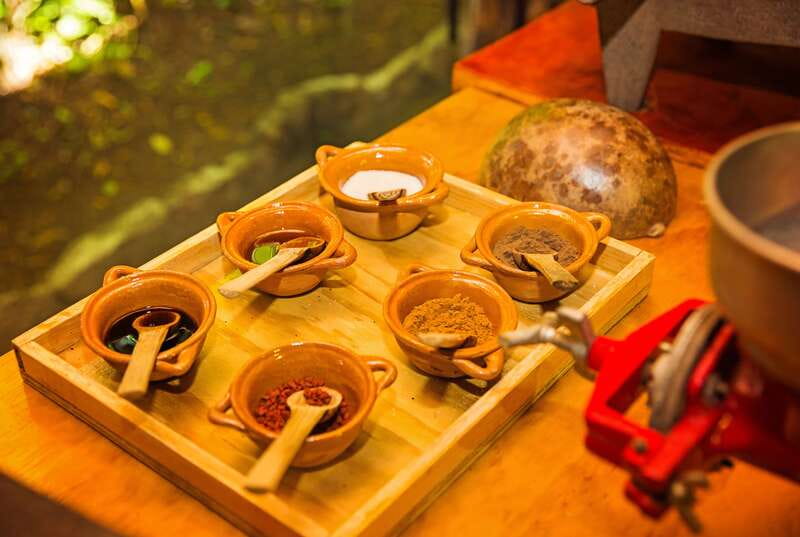
Book it if you want a compact Cozumel activity that combines Mayan culture, physical participation, and plenty of tasting. The strongest reasons are the metate grinding, the handmade chocolate bar, and the 13-chocolate finish. The guides, especially Paty, Roberto, Eduardo, and Leti, also appear to bring the warmth and humor that keep the lesson moving.
Think twice if you are allergic to chocolate or nuts, need wheelchair access, or want transportation included. You should also skip it if your main goal is to see more of the island.
For everyone else, this is a well-focused way to spend 90 minutes. You leave with more than a sweet snack: you have seen how cacao can carry cultural meaning, worked with a traditional tool, and made a small piece of Mexican food culture yourself.
FAQ
Where does the chocolate workshop take place?
The workshop takes place at The Mayan Cacao Company in Quintana Roo, Mexico.
How long does the activity last?
The workshop lasts 1.5 hours. Starting times vary, so check availability when booking.
What is included in the price?
The $40 price includes entrance to The Mayan Cacao Company, the chocolate tasting, and the ingredients and tools used to make your chocolate bar.
Is transportation included?
No. Hotel pickup and drop-off are not included. You must make your own way to The Mayan Cacao Company.
What languages are available?
The workshop is offered in Spanish and English.
Is the activity suitable for people with allergies or wheelchair users?
The workshop is not recommended for people with chocolate or nut allergies, and it is not wheelchair accessible.
Just added in Cozumel
- Half-Day Island Tour with Mayan Experience & Beach Break★ 4.5 · 101 reviews
- Private Shuttle from Inside Cozumel Airport to hotels in Cozumel★ 4.5 · 182 reviews
- ATV and Clear Boat Ride Full Experience in Cozumel★ 4.5 · 111 reviews
- E-Bike Adventure in Cozumel – West Side Ride N’ Snorkel★ 4.5 · 89 reviews
- Off Road ATV Tour with Caverns, Cedral & Beach Time with Transfer★ 4.5 · 39 reviews
- Cielito Cozumel: Mexican Caribbean Snorkeling Tour★ 4.5 · 83 reviews
- Traditional Family Kitchen in Cozumel★ 5.0 · 165 reviews
- VIP Private Glass Bottom Boat and Snorkeling, 3 Reefs in Cozumel★ 4.5 · 43 reviews
Chocolate & Cacao Workshops, compared.
Finca 18 Puerto Vallarta Tequila Tour + Chocolate Pairing
Read our review →
Bean to Bar Chocolate Workshop in Puerto Vallarta
Read our review →
Tour to Uxmal Kabah and Chocolate Museum from Mérida
Read our review →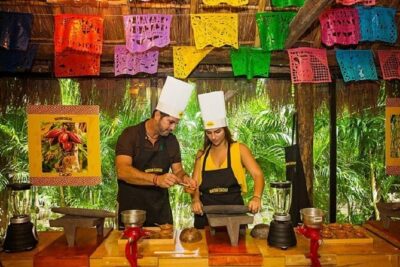
Browse the lists this tour appears in